








Baby & children’s allergy medicine for beginners: what to choose and how to dose safely (Canada)?

ChoosingBaby & Children’s Allergy Medicine for your level(especially when you’re just starting out) often comes down to three things: the child’sage, thesymptomsyou’re treating, and how to use the product safely. In Canada (CAN), many allergy medicines for children are sold as non-prescription products, but “over-the-counter” doesn’t mean “one-size-fits-all”-especially for ababyor a younger child.
This guide is written for parents and caregivers who want a calm, practical starting point. You’ll learn how common allergy symptoms show up, how to choose between common product types (like oral antihistamines, nasal sprays, eye drops, and topical anti-itch options), and how to avoid common dosing mistakes. You’ll also find tips on when to call a pharmacist, when to seek urgent care, and how to build a simple plan for home and school. (This is general education, not a substitute for medical advice. Always follow the product label and the advice of your child’s healthcare provider.)
If you want to browse options while you read, Ariavit’s selection is here:Baby & Children’s Allergy Medicine collection.
Start here: what “allergy” can look like in babies and children
Allergies happen when the immune system overreacts to something that’s usually harmless-like pollen, dust mites, pet dander, mould, or certain foods. In children, “allergy” often overlaps with common colds, dry indoor air, viral rashes, or eczema flares, which is why choosing a medicine can feel confusing.
Common allergy-related symptoms inchildrenand babies include:
- Runny nose(often clear), sneezing, itchy nose
- Nasal congestionand mouth breathing, especially at night
- Itchy, watery eyes(allergic conjunctivitis)
- Itchy skin, hives (urticaria), or worsening eczema
- Coughfrom post-nasal drip (not always asthma, but can be related)
- Sleep disruptionand irritability (because they can’t explain “itchy”)
Where you live and the season matters in Canada: spring tree pollen, summer grass pollen, fall ragweed, and winter indoor allergens (dust mites, mould, pet dander) can all trigger symptoms. Daycare and school exposure also plays a role, especially when children share spaces and bring home viruses that look similar to allergies.
When symptoms are more likely allergy than a cold:itching (eyes/nose), repeated sneezing, clear runny nose that lasts weeks, symptoms that flare outdoors or around animals, and a pattern that repeats each year. Fever, body aches, and thick coloured mucus can happen with infections (though colour alone doesn’t diagnose).
If you’re building confidence from scratch, it helps to think in “symptom buckets”:
1) Nose symptoms(sneezing, runny nose, congestion),2) Eye symptoms(itchy/watery/red eyes),3) Skin symptoms(itching, hives), and4) Severe reactions(breathing issues, swelling of lips/face, faintness) that need urgent care.
Safety first: age, weight, and Canada label rules
For beginner-friendly safety, keep these rules front and centre:
- Use age-appropriate products only.Many products have minimum age limits, and some are not recommended for infants.
- Dose based on the label (and sometimes weight).Some children’s products provide dosing by age ranges; others by weight (kg/lb). Use the label for that specific product.
- Use the included dosing device.Kitchen teaspoons vary widely. Use the oral syringe or dosing cup that comes with the medicine.
- One active ingredient at a time when possible.Combination cold/allergy products can accidentally duplicate ingredients.
- Ask before combining.If your child already takes another medicine, ask a pharmacist about interactions or duplicate antihistamines.
Canada tip:Product labels can differ between countries even when brand names look similar. When travelling or ordering online, check the Canadian label for themedicinal ingredient, strength per mL (for liquids), and the dosing table. If you’re unsure, a pharmacist can help interpret the label and recommend an option for your child’s age.
If you want to explore what’s commonly stocked for families, you can view thechildren’s allergy relief assortmentand compare formats (liquid, chewable, drops, etc.).
What to choose: the main types of baby and children’s allergy medicine
Most non-prescription allergy symptom relief for kids falls into a few product types. The “best” choice depends on which symptoms are most disruptive, the child’s age, and how quickly you need relief.
1) Oral antihistamines (liquids, chewables, tablets)
Oral antihistamines help withsneezing,runny nose,itching, andhives. They may help watery eyes as well. For many families, an oral antihistamine is the first medicine they try because it covers multiple symptoms.
Second-generation antihistaminesare commonly preferred for daytime use because they tend to cause less drowsiness than older options (though individual responses vary). Some children still get sleepy; others may become restless.
First-generation antihistamines(older antihistamines) can be more sedating and may impair alertness. They also have a higher chance of side effects like dry mouth. In some situations, clinicians may recommend them, but they’re not always ideal for school days or when you want predictable daytime behaviour.
Beginner checklist:If symptoms are mainlyitching/hivesorsneezing/runny nose, oral antihistamines are often a reasonable starting category to discuss with your pharmacist.
2) Nasal saline (sprays, drops, rinses)
Saline isn’t a drug, but it’s a powerful first step fornasal congestionand post-nasal drip-especially for younger kids. Saline can wash out allergens, loosen mucus, and improve comfort. It’s often safe for babies and children when used as directed, and it can be used alongside other allergy medicines.
Saline is especially helpful when the issue is “blocked nose” more than itching. It can also make it easier for other nasal products (if recommended) to work effectively.
3) Intranasal corticosteroid sprays (for persistent nasal symptoms)
Nasal steroid sprays are often used for moderate-to-severe seasonal or year-round allergic rhinitis, particularly when congestion and inflammation are ongoing. They work differently than antihistamines: rather than blocking histamine, they reduce inflammation in the nasal passages over time.
What beginners should know:these sprays usually work best with consistent daily use during allergy season (or as advised), and they can take a few days to reach full effect. Correct technique matters to reduce irritation and nosebleeds. Because age recommendations vary by product, check the label and ask a pharmacist for a child-appropriate option.
4) Allergy eye drops (for itchy, watery eyes)
If your child’s main complaint isitchy eyesor watery, red eyes (and not a crusty eye infection), allergy eye drops can target symptoms directly. Some children do well with oral antihistamines alone, but when eyes are the main issue, drops can be more effective.
Safety note:eye symptoms can also be caused by viral conjunctivitis, bacterial infection, or an irritant. If there’s thick discharge, significant pain, light sensitivity, or vision changes, seek medical advice promptly.
5) Topical anti-itch options (skin itching, hives, bites)
For skin symptoms-like itching, mild hives, or insect bites-topical products (for example, soothing lotions) may provide comfort. Some families also use oral antihistamines for widespread itching or hives, depending on the child and the trigger.
Important:if hives appear with breathing difficulty, swelling of lips/face/tongue, vomiting, or faintness, seek emergency care. That pattern can signal a severe allergic reaction.
To browse different product types in one place, you can visitbaby and children’s allergy medicine optionsand filter by the format your child will actually take.
How to pick based on your child’s symptoms (simple scenarios)
When you’re new to allergy medicine, it helps to match the product type to the most disruptive symptom.
Scenario A: Sneezing + clear runny nose + itchy nose
Often responds to an oral antihistamine. If symptoms are frequent and seasonal, ask your pharmacist whether a daily option during peak weeks makes sense.
Scenario B: Stuffy nose that disrupts sleep
Start with nasal saline, humidification, and allergen reduction (like washing bedding). If congestion persists and your child is old enough, talk with a pharmacist or clinician about whether an age-appropriate nasal anti-inflammatory spray is suitable.
Scenario C: Itchy, watery eyes (especially outdoors)
Consider allergy eye drops (age-appropriate) and/or an oral antihistamine. Cool compresses and rinsing the face after outdoor play can reduce pollen exposure.
Scenario D: Itchy skin or hives
Identify triggers (new foods, pets, new detergent, viral illness), use gentle skin care, and consider an oral antihistamine if advised by a pharmacist. Seek urgent care if there are signs of a severe reaction.
Scenario E: A baby who seems congested and fussy
In babies, congestion can be caused by colds, dry air, reflux, or allergies. Saline drops/spray and gentle suction (if recommended) are common first measures. For medicine in a baby, talk to a pharmacist or healthcare provider first-age minimums and dosing rules are strict for infants.
For a quick look at what’s commonly used for these scenarios, exploreAriavit’s baby & children’s allergy medicine collection.
Dosing safely: practical steps every parent can follow
Dosing is where most avoidable mistakes happen-especially when you’re tired and a child is miserable. These steps help reduce risk.
Step 1: Confirm the exact product and active ingredient
Many brands sell multiple versions (different strengths, different actives, different ages). Read the “medicinal ingredient” line and the strength (for liquids, often written as mg per mL). Do not assume two products with similar names are interchangeable.
Step 2: Use the dosing table forthatproduct
Follow the label’s age/weight chart. If your child falls between categories, ask a pharmacist for help rather than guessing. If your child is under the minimum age, do not use unless specifically directed by a healthcare provider.
Step 3: Measure with the right tool
Use the included oral syringe or dosing cup. If the tool is missing, ask a pharmacist for an appropriately marked oral syringe. A kitchen teaspoon is not reliable.
Step 4: Track timing and avoid double-dosing
Write down the time and dose (notes app or on paper). This is especially important if multiple caregivers are involved, or if a child wakes overnight.
Step 5: Don’t stack similar medicines without advice
A common mistake is giving two antihistamines (for example, one for “allergy” and one for “cold”) or combining an oral antihistamine with another product that already contains an antihistamine. If you’re unsure, ask a pharmacist to check the ingredients.
Step 6: Watch for side effects that change your plan
Possible side effects depend on the product, but may include drowsiness, excitability, dry mouth, headache, stomach upset, or irritability. If your child seems unusually sleepy, wired, or unwell, stop and seek advice.
Real-life tip:Keep one “allergy kit” spot at home with the medicine, dosing device, and a printed dosing chart or a note with your pharmacist’s instructions. It reduces stress when symptoms hit.
Common brands and product formats you may see in Canada
In Canadian pharmacies and online, families commonly recognize brands such asReactine,Claritin,Aerius,Benadryl, and store-brand (generic) equivalents. These brands may offer different actives and multiple child-friendly formats.
Formats that can make life easier:
- Liquidsfor younger children who can’t chew/swallow tablets
- Chewablesfor kids who resist liquids
- Fast-dissolving tablets(for some ages)
- Eye dropsfor targeted eye symptoms
- Saline sprays/dropsfor congestion support
Generic vs brand:A generic with the same medicinal ingredient and strength can work similarly for many people. What often differs is flavouring, dye, and the dosing device. If your child refuses a flavour, switching formats can matter as much as switching brands.
Non-medicine supports that make medicine work better
Allergy medicine often helps most when you reduce exposure too. These steps are especially useful for seasonal allergic rhinitis and indoor allergies:
- Pollen days:keep windows closed, shower/wash hair after outdoor play, change clothes, and consider a rinse of the face.
- Bedroom focus:wash bedding in hot water when possible, reduce stuffed animals on the bed, and consider dust-mite covers if recommended.
- Pets:keep pets out of the child’s bedroom if pet dander is a trigger.
- Mould:address damp areas, run bathroom fans, and fix leaks.
- HEPA filtration:some families find a HEPA air purifier helps in the bedroom during peak seasons.
- Skin barrier care:for eczema-prone children, gentle cleansers and fragrance-free moisturizers can reduce itch and flare-ups.
These steps don’t replace medicine when symptoms are strong, but they can reduce how much medicine your child needs and help symptoms return less quickly.
When to talk to a pharmacist vs. when to seek medical care
Talk to a pharmacist soon if:
- Your child is ababyor under the minimum age listed on products you’re considering
- You’re unsure whether symptoms are allergy vs cold vs sinus/ear infection
- Your child takes other medicines or has chronic conditions (including asthma)
- You need help choosing between liquid vs chewable vs drops
- Symptoms persist despite trying an age-appropriate option as directed
Seek urgent care or emergency help if:
- Breathing difficulty, wheezing, repetitive coughing with distress, or bluish lips
- Swelling of lips, tongue, face, or throat
- Fainting, severe dizziness, confusion, or extreme lethargy
- Hives with vomiting or signs of anaphylaxis
- Severe eye pain, light sensitivity, or vision changes
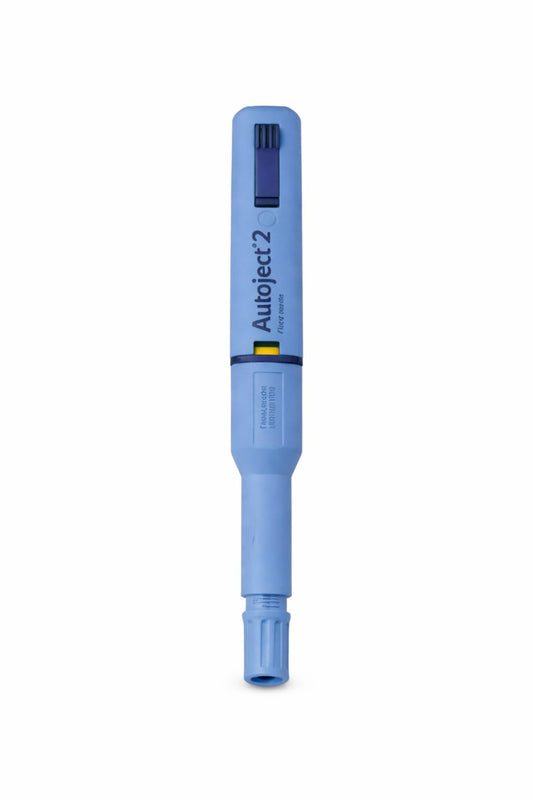
If your child has recurring severe reactions, ask your clinician about an emergency action plan and whether an epinephrine auto-injector is appropriate.
How to keep an allergy routine simple (home, daycare, school, travel)
Allergy season can be unpredictable. A simple routine reduces missed doses and confusion between caregivers.
Create a one-page plan
Include: your child’s triggers (if known), which symptoms usually show up, which medicine you use first, and the exact dosing instructions from the label or your pharmacist/clinician. Keep a copy on your phone and one in your medicine cabinet.
Use consistent naming
Write the medicinal ingredient name (not just the brand). This helps prevent duplicate antihistamines if another caregiver buys a different brand.
Pack smart for travel within Canada
Bring the medicine in its original packaging with the dosing tool. If you’re visiting family with pets, consider bedding and clothing strategies (like changing clothes and washing hands/face) to reduce exposure.
FAQ
How do I know if my child needs an antihistamine or a nasal spray?
If the main symptoms are itching, sneezing, clear runny nose, or hives, an oral antihistamine is often the first category families try (using an age-appropriate product and label dosing). If congestion and blocked nose are the main problem-especially if it’s persistent-saline is a great first step, and some children (depending on age and severity) may do better with a pharmacist-recommended nasal anti-inflammatory spray. When in doubt, describe the top two symptoms to a pharmacist; they can guide you to the most suitable option.
Can I give baby allergy medicine for a stuffy nose?
For a baby, a stuffy nose is very common and isn’t always allergy-related. Start by checking with a healthcare professional before using any allergy medicine in infants. Many families use saline drops/spray and gentle suction (as directed) for comfort. If you suspect allergies (for example, ongoing symptoms without fever and a clear pattern around triggers), a pharmacist or clinician can advise what’s appropriate for your baby’s age.
Where to browse baby and children’s allergy medicine options
If you’d like to compare formats (liquid, chewable, drops, eye care) and see what’s available for different ages, you can explore these links:
- Shop baby & children’s allergy medicine
- Browse children’s allergy symptom relief
- See kids’ antihistamine and allergy care options
- Explore allergy relief for babies and kids
- View the baby & kids allergy medicine collection
- Find child-friendly allergy medicine formats
Final reminder:For safest results, always follow the Canadian label for the exact product you’re using, measure carefully, and ask a pharmacist for help if your child is a baby, has ongoing symptoms, or you’re unsure which medicine matches your child’s allergy pattern.