






Bacopa monnieri supplement options on a budget (capsules vs powder) under $30/month?

Shopping for bacopa monnieri on a tight budget can feel confusing fast: different formats, different extract ratios, “standardized” claims, and serving sizes that make it hard to tell what you’ll actually spend per month. This consumer guide is written for Canadians who want practical, budget-first guidance-especially if you’re trying to stay under $30/month-without overpromising outcomes.
Bacopa Monnieri Supplement Collection on a budget is the focus of this guide.
We’ll compare capsules vs powder (the big decision for most people), and we’ll also touch on a couple of common alternatives you may see when browsing aBacopa Monnieri Supplement Collection. Along the way you’ll learn how to estimate “cost per day,” what to look for on labels, and which format tends to fit different lifestyles (students, busy professionals, athletes, and anyone sensitive to taste).
What “on a budget” really means for bacopa in Canada
When people say they want aBacopa Monnieri Supplement Collection on a budget, they’re usually aiming for three things at once:
- Predictable monthly cost(no surprises from tiny bottle sizes or large serving directions)
- Decent quality signals(clear ingredient list, transparent extract info, reasonable manufacturing standards)
- Easy routine fit(a format you’ll actually take consistently)
In Canada, two factors often influence value more than the sticker price: (1) how many servings you really get, and (2) whether the product is a standardized extract or a simple ground herb powder. Both can be valid choices-just for different priorities.
Quick reminder:bacopa (also written asBacopa monnieri, sometimes called water hyssop) is used by consumers for wellness routines often associated with memory, learning, and focus. Evidence varies by product, dose, and person. This article discusses shopping and format differences, not medical advice or guaranteed results. If you’re pregnant, breastfeeding, taking prescription medications, or managing a condition (including thyroid concerns), check with a qualified healthcare professional before starting a new supplement.
Capsules vs powder: the budget vs Canadians actually need
Most budget decisions come down to whether you want convenience (capsules) or flexibility and potential value (powder). Here’s how they differ in ways that matter when you’re trying to keep monthly costs low.
Capsules: convenience, consistent serving sizes, less taste
Capsules(including veggie capsules) are the most straightforward: you swallow them with water and you’re done. For many Canadians, that simplicity is what makes capsules “worth it” even if the per-serving cost is a bit higher than powder.
Pros
- Convenient routine: great for commuting, school, or travel.
- Less flavour: bacopa can taste quite bitter/earthy in powder form.
- Easy label math: servings are usually clear (e.g., 1-2 capsules daily).
- Often includes standardized extract: many capsule products specify bacosides (the commonly referenced active compounds).
Cons
- Usually higher cost per daythan straight powder.
- Less dosing flexibility: you’re limited to capsule increments.
- Fillers may appear: always check the non-medicinal ingredients list.
Best for:people who want the simplest habit, dislike bitterness, or need a “grab-and-go” supplement routine. If you’re browsing capsules within abacopa monnieri collection, prioritize products that clearly state whether they use an extract, the extract ratio (if provided), and any standardization details.
Powder: flexible dosing, often lower cost per serving, but taste and measuring matter
Powdercan mean either a ground herb powder or an extract powder. The label should tell you which it is. From a strict budget standpoint, powder often wins because you can get more servings per container and adjust your serving size.
Pros
- Potentially lowest cost per serving(especially for ground herb powders).
- Dose flexibility: you can scale up or down more precisely.
- Easy to mixinto smoothies, yogurt, or warm drinks (taste permitting).
Cons
- Taste and texture: bacopa can be bitter; some people find it hard to mask.
- Measuring required: you’ll want a small scale or a consistent measuring spoon.
- Label interpretation: you must confirm whether it’s a standardized extract or plain powder to make fair .
Best for:budget-focused shoppers comfortable measuring powders, smoothie users, and anyone who wants maximum flexibility. If you’re exploring options from aBacopa Monnieri Supplement Collection, look for clear serving size (in mg/grams), and transparent ingredient sourcing or testing information where available.
How to estimate “under $30/month” without getting tricked by serving sizes
To keep this consumer-friendly, use a simple three-step method. You don’t need advanced supplement knowledge-just the label.
Step 1: Find the serving size and servings per container
Look for “Serving size” and “Servings per container.” If a bottle has 60 capsules and the serving is 2 capsules, that’s 30 servings (about one month). If the serving is 1 capsule, that’s 60 servings (about two months).
Step 2: Check what form of bacopa you’re getting
Compare like with like:
- Standardized extractoften mentions bacosides (e.g., “standardized to X% bacosides”).
- Extract ratiomight look like 10:1 or 20:1, which can help contextualize potency but isn’t the only quality indicator.
- Whole herb/ground powdermay not list bacosides and can be harder to compare across brands.
Step 3: Calculate monthly cost based on your routine
If you take 1 serving per day, a 30-serving container is roughly one month. If you take 2 servings per day, it’s half a month. This is where “cheap bottles” can become expensive quickly.
Budget tip:If staying under $30/month is your goal, start by targeting products that provide at least 30 days per container at the serving size you’ll realistically follow. Then decide whether convenience (capsules) or cost-efficiency (powder) matters more to you.
Other budget-friendly bacopa formats you may see (and how they compare)
Capsules and powder are the main choices, but some shoppers in Canada also consider blends, tablets, or tinctures. These can be practical, but they add vs complexity-especially if you’re tracking a monthly budget.
Capsule blends (bacopa + other nootropics or herbs)
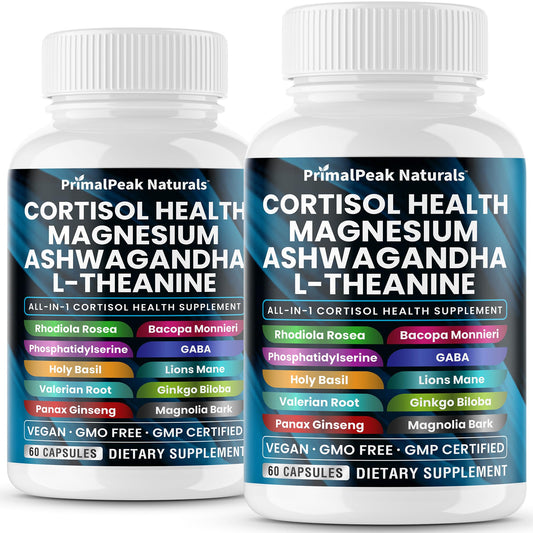
Blends can be appealing for “all-in-one” routines (for example, bacopa with ashwagandha, rhodiola, L-theanine, or ginkgo). The trade-off is that you may get less bacopa per serving, and it becomes harder to compare benefits or tolerance.
Budget watch-outs:blends can push the per-day cost up; they may also include multiple ingredients at low doses. If you’re very budget-conscious, you may prefer a single-ingredient bacopa product and add other supplements only if you know you want them.
Tablets
Tablets can be cost-effective and shelf-stable, but they sometimes include more binders and can be harder to swallow for some people. If you’re sensitive to excipients, read the non-medicinal ingredients carefully.
Liquid extracts/tinctures
Liquids can be easy to dose, but the cost per month can vary widely depending on concentration and serving size. They also introduce taste considerations and sometimes alcohol or glycerin bases. If budget is the priority, you’ll want to calculate the number of doses per bottle very carefully.
If you prefer to browse formats vs, start with a curatedBacopa Monnieri Supplement Collection for Canadiansand filter by your preferred format (capsules vs powder) before you compare serving counts.
Quality signals that matter when you’re buying bacopa on a budget
Budget-friendly shouldn’t mean “mystery product.” A lower price can still be a good choice if the basics are solid. Here are label and listing details that help you evaluate quality without needing lab equipment.
1) Clear identity: Bacopa monnieri (and what part/form)
Look for the full nameBacopa monnieriand whether it’s an extract, standardized extract, or whole herb powder. If it just says “bacopa” with no additional detail, get harder.
2) Standardization or extract details (when provided)
Many consumers prefer standardized extracts because they’re easier to compare across products (for example, bacosides percentage). That said, standardization is one signal-not a guarantee of results. If you’re comparing two capsule products, the one with clear standardization information is often easier to evaluate.
3) Transparent ingredient list
Check for allergens, fillers, and capsule materials. If you prefer vegetarian/vegan options, confirm the capsule type. If you’re sensitive to common additives, keep the ingredient list simple.
4) Manufacturing and testing cues
Without making assumptions about any specific product, look for signs of quality systems such as GMP (Good Manufacturing Practices) and third-party testing where stated. These can help with confidence around purity, heavy metals, and consistent potency-especially relevant for herb supplements.
5) Sensible serving direction
Some labels require multiple capsules per day. That’s not automatically bad, but it affects your monthly budget and convenience. If you know you won’t stick with “take 4 capsules daily,” your real value drops.
When you’re scanning options in aBacopa Monnieri Supplement Collection, try to shortlist 2-3 products and compare them using the same checklist: form, serving size, servings per container, and transparency.
Which is better for you: capsules or powder?
The best format depends on your routine and your tolerance for taste/effort. Here are common Canadian consumer scenarios.
If you’re a student or doing intense learning blocks
Capsulesare often the easiest to keep consistent during exam season. Consistency matters more than perfect optimization. If you choose powder, pre-portioning servings can help.
If you’re building a simple morning wellness routine
If you already make smoothies or oatmeal,powdercan be a practical, budget-friendly add-in-just be ready for a herbal taste. If you prefer coffee-only mornings,capsulesmay fit better.
If you’re sensitive to bitterness or nausea
Capsulesusually win for taste avoidance. Also consider taking bacopa with food if you find it bothers your stomach (common consumer practice), but follow the label directions and check with a healthcare professional if you’re unsure.
If you’re optimizing for the lowest monthly cost
Powderoften provides more servings per container. The key is not wasting it: store it properly, measure consistently, and choose a mixing method you’ll actually use.
If you want the simplest “set it and forget it” plan
Capsulesare hard to beat. For many people, the best budget product is the one they’ll take consistently rather than the one with the lowest theoretical cost per gram.
Pros and cons summary (quick scan)
Capsules: best for convenience, travel, taste avoidance, and consistent dosing; may cost more per day and offer less flexibility.
Powder: best for flexible dosing and potential value; requires measuring and taste management, and depend on whether it’s extract vs whole herb.
How to shop a bacopa collection without overspending
If you’re browsing abacopa supplement collection online, use this order of operations to stay budget-focused:
- Pick your format first: capsules if convenience is key; powder if maximizing servings is key.
- Sort by servings, not just bottle size: “120 capsules” isn’t automatically better than “60 capsules.”
- Check extract transparency: look for standardized extract details when available.
- Read the non-medicinal ingredients: especially if you want simpler formulas.
- Do the 30-day math: confirm the container lasts roughly a month at your intended serving.
For easy vs browsing, start with Ariavit’sBacopa Monnieri Supplement Collectionand open a few candidates in separate tabs to compare serving directions and extract details.
FAQ
Is bacopa powder the same as a standardized bacopa extract?
Not always. “Powder” can mean ground whole herb or an extract in powder form. A standardized extract typically lists a target compound level (often bacosides) or an extract ratio. If the label doesn’t clarify, you can’t assume they’re equivalent for vs.
What should I look for if I’m trying to keep bacopa under $30/month?
Focus on servings per container at the suggested daily serving, then confirm the form (extract vs whole herb), ingredient transparency, and a routine you’ll actually follow. Capsules may be easier to stick with; powder may stretch further if you’ll measure and use it consistently.
Bottom line
For Canadians shopping aBacopa Monnieri Supplement Collection on a budget, capsules generally offer the easiest routine and most consistent serving sizes, while powder often offers better flexibility and potential cost-per-serving value-if you can manage the taste and measuring. Whichever you choose, use the label to calculate true monthly cost, prioritize transparent extract details where possible, and pick a format you can take consistently.
If you want to compare formats and serving sizes in one place, browse theAriavit Bacopa Monnieri Supplement Collectionand shortlist a few options that fit your routine and budget math.