







Herbal Endurance & Energy Nutrition: best herbal picks for long workouts and active days

In British Columbia, “active day” can mean a sea-level run along Vancouver’s Seawall, a steep grind in North Vancouver’s rain-soaked forest, a ski day in Whistler, or a long ride through the Okanagan heat. Across these climates and elevations, many people look for steadier energy-something that supports endurance, mental clarity, and recovery without relying solely on strong stimulants.
That’s whereHerbal Endurance & Energy Nutritioncomes in. It’s a practical approach that pairs smart fueling (hydration, electrolytes, carbohydrates, protein, and micronutrients) withherbalingredients traditionally used to help the body adapt to physical stress, maintain stamina, and support day-long output. This article breaks down what it is, who it’s for, key concepts, and when to use it-especially for British Columbia conditions.
If you’d like to browse curated options as you read, you can explore Ariavit’s collection here:Herbal Endurance & Energy Nutrition essentials.
What “Herbal Endurance & Energy Nutrition” means (and what it doesn’t)
Herbal Endurance & Energy Nutritionrefers to nutrition strategies and supplement formats that include herbs to support performance-focused goals such as sustained energy, perceived exertion, focus, and post-activity recovery. It’s most useful when it complements the fundamentals: adequate sleep, balanced meals, hydration, and training that matches your current fitness level.
Itdoesn’tmean instant “limitless” energy, and it’s not a substitute for medical care. Herbs and nutrients can support normal physiology (like healthy energy metabolism and stress response), but results vary by person, dosage, timing, and overall lifestyle. If you’re pregnant or breastfeeding, have a medical condition, or take prescription medications (especially for blood pressure, blood sugar, mood, thyroid, or blood thinning), check with a qualified healthcare professional before starting anything new.
Common goals people have when they start exploring herbal options include:
- Steadier energythrough long workouts and busy days
- Better tolerance of long durationefforts (hikes, rides, runs, ski laps)
- Clear focuswithout feeling jittery
- Support for recoveryafter big weekends
- Help managing stress loadwhen training volume and life stress stack up
For more options tailored to these goals, seeherbal support for endurance and energy.
Who this is for in British Columbia
BC is an endurance playground, and your needs can look different depending on where you live and how you move. Herbal Endurance & Energy Nutrition tends to fit well for:
Trail hikers and peak baggersin the Coast Mountains who want stamina for long ascents and descents.
Runners and cyclistsbalancing training with work, family, and variable weather, aiming for consistent output without a late-day crash.
Skiers and snowboarderswho need sustained energy across cold days, plus recovery support for back-to-back sessions.
Busy parents and active commuterswho want energy that feels smooth rather than spiky-especially when sleep isn’t perfect.
Outdoor workers and weekend warriorswho spend hours on their feet and want supportive daily nutrition that doesn’t feel “too intense.”
In short: it’s for anyone who wantsenduranceandenergysupport grounded in sensiblenutrition, with herbs as a complementary tool-not a replacement for the basics.
Core concepts: how to think about endurance and energy (without the crash)
When people say they want “more energy,” they can mean different things. A useful way to choose herbal and nutrition support is to match the tool to the type of fatigue you feel.
1) Fast energy vs. steady energy
Fast energyoften comes from caffeine or quick carbohydrates. It can be helpful pre-workout, but it may feel jittery for some people or lead to a dip later-especially if it replaces breakfast or hydration.
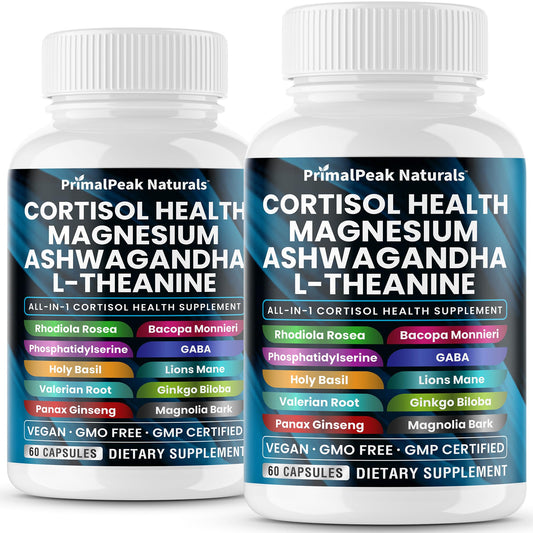
Steady energytends to come from consistent fueling and supportive ingredients that help you feel resilient over time. Many people look at herbs traditionally used as “adaptogens” for this reason-because they’re associated with helping the body respond to stress. Examples often discussed in endurance circles includerhodiola,ginseng, andashwagandha(individual suitability varies).
2) Energy production needs nutrition first
Your body’s energy systems rely on basics like carbohydrates, fats, protein, and key micronutrients. People sometimes overlook simple issues like under-fueling breakfast, low iron intake, or inadequate hydration-then try to “fix” it with a stimulating product.
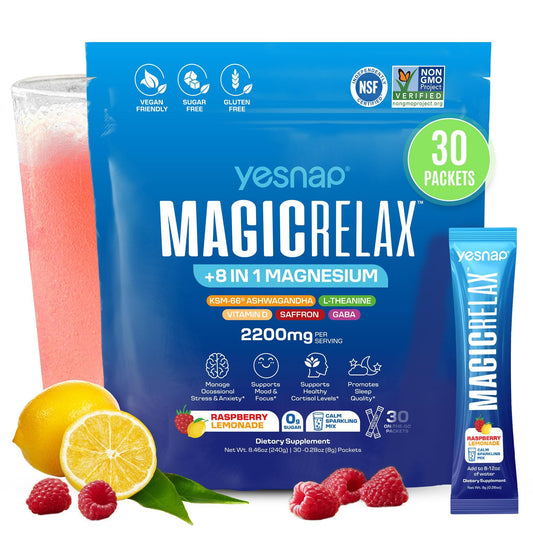
Supportive nutrients commonly used in energy-focused routines includeB vitamins(for energy metabolism),magnesium(for muscle function and recovery), andelectrolytes(especially sodium during longer efforts). For many BC athletes, electrolyte balance matters on humid coastal days and during long summer hikes in the Interior.
3) Stress load affects endurance
Endurance isn’t just legs and lungs; it’s also your nervous system and recovery capacity. Big training weeks, busy schedules, travel, and poor sleep can raise perceived exertion. Some people exploreHerbal Endurancestrategies here-aiming for calm focus and steadier output.
4) Recovery is part of performance
Many “energy” problems are really recovery problems: soreness, poor sleep, and inadequate post-workout meals. Think in terms of a 24-hour cycle: train → refuel → recover → train again. Herbal options are often paired with recovery practices like protein intake, anti-inflammatory food choices, mobility work, and sleep hygiene.
To see a range of formats used for these goals, visitAriavit’s Herbal Endurance & Energy Nutrition collection.
Best herbal picks for long workouts and active days (what to look for)
“Best” depends on your routine, sensitivity to stimulants, and whether you need more physical stamina, mental clarity, or recovery support. Below are common herbal categories people choose for endurance and energy routines. These are general educational notes-always follow label directions and consider professional guidance if you have health conditions or take medications.
Adaptogen-style herbs for stamina and resilience
These are often chosen for steady support rather than a sharp “kick.” People typically use them consistently for weeks, though timing strategies vary.
Rhodiola rosea: Often used by active people for fatigue management and perceived stamina. Some prefer it earlier in the day because it can feel stimulating for certain individuals.
Panax ginseng(Asian ginseng) orAmerican ginseng: Traditionally used to support vitality and endurance. Individual response can differ; start low and monitor how you feel.
Ashwagandha: Commonly chosen for stress support and recovery routines, including evening use for those who find it calming (not everyone does).
Eleuthero(Siberian ginseng): Sometimes used in endurance contexts for resilience and steady energy.
Herbs for circulation, oxygen use, and “get-up-and-go” feel
For long climbs and sustained output, some people pay attention to how they feel in terms of breath, warm-up, and circulation-especially in colder weather.
Beetroot(technically a food, often used like a performance ingredient): Popular for endurance support due to dietary nitrates. It’s frequently used pre-workout; timing varies by product.
Ginkgo biloba: Traditionally used for circulation and cognitive support; suitability varies and it may not be appropriate with certain medications.
Gentle energy and focus supports (stimulant-aware)
If you want alertness without feeling shaky, consider your caffeine tolerance and look for balanced formulas.
Green tea(and its naturally occurring compounds): Provides caffeine plus other constituents; some people experience smoother focus compared with stronger caffeine sources.
L-theanine(an amino acid often paired with caffeine): Not an herb, but frequently included to support calm focus.
Mate(yerba mate): A traditional caffeinated plant; can be energizing, so it’s best for those who tolerate caffeine well.
Recovery-supporting botanicals used around training blocks
Recovery matters for consistency. People may look for botanicals used traditionally for inflammation balance and muscle comfort-along with adequate protein, carbs, and sleep.
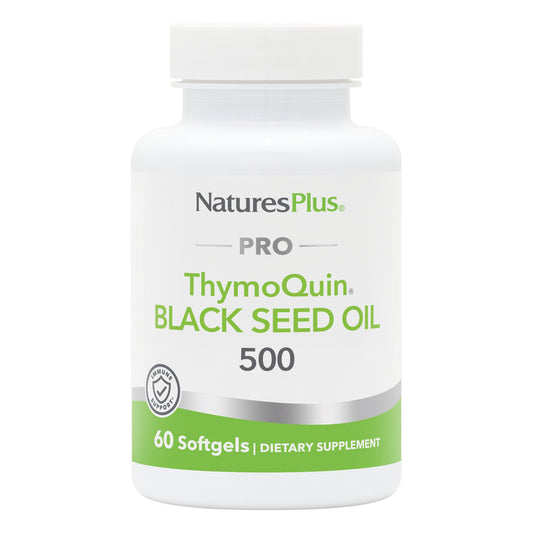
Turmeric/curcumin: Commonly used for exercise recovery support. Absorption can depend on the form (for example, paired with black pepper extract or specialized delivery systems).
Tart cherry(food-based ingredient): Often used in recovery routines for muscle soreness support.
Ginger: Used traditionally for digestive comfort and inflammation balance-helpful if long workouts upset your stomach.
Browse mixed options and ingredient formats here:herbal endurance & energy formulas.
BC-specific considerations: rain, cold, altitude, and long drives
British Columbia adds real-world variables that influence how you choose endurance and energy support.
Coastal rain and cool temperatures
Cool, wet conditions can blunt thirst, yet you still lose fluids-especially during steady climbs in a jacket. Consider a hydration plan withelectrolytes, and don’t assume you’re fine just because you’re not sweaty. A warm beverage pre-activity (with or without caffeine) can also help some people feel ready to move.
Interior heat (Okanagan, Thompson-Nicola) and summer exposure
Hot, dry days increase fluid and sodium needs. For long rides, hikes, or paddles, you may benefit from a higher-electrolyte approach and more frequent carbohydrate intake. Herbal choices won’t compensate for dehydration-make hydration the priority.
Altitude and big-vertical days
Even modest altitude changes can affect perceived exertion, sleep, and hydration. Go easier than usual on day one of a mountain trip, fuel early, and consider non-jittery options if you’re already sleeping lightly at elevation.
Ferries, road trips, and early starts
BC adventures often include travel logistics: early alarms, ferry schedules, and long drives. In those situations, “energy” sometimes meansstable blood sugarandmental focus. A balanced breakfast, a snack plan, and gentle supportive ingredients can feel better than trying to muscle through on coffee alone.
For a curated set of options that align with active-day needs, seeendurance and energy nutrition picks.
When to use Herbal Endurance & Energy Nutrition (timing and scenarios)
Consider these common use cases. Always follow product directions and start with the lowest reasonable amount to assess tolerance-especially if you’re sensitive to stimulants.
Before long workouts (60-180+ minutes)
Best for: long runs, bike rides, ski days, long hikes, and tournament-style sports days.
What to focus on: a meal or snack with carbohydrates, some protein, and fluids; consider a pre-workout routine that fits your caffeine tolerance. Some people choose beetroot-based performance ingredients or adaptogen-style herbs earlier in the day for steadier output.
During endurance sessions
Best for: anything past the point where you “bonk” without fuel.
What to focus on: carbohydrates, fluids, sodium/electrolytes, and gut-friendly choices. Herbal additions during activity are usually secondary-most performance swings mid-session come from under-fueling or under-hydrating.
After training and during recovery weeks
Best for: soreness management, consistency, and staying ready for the next session.
What to focus on: protein and carbs soon after training, plus sleep. Botanicals like turmeric/curcumin or tart cherry are often used as part of a recovery routine, especially after high-volume blocks.
Everyday energy (non-workout days)
Best for: busy schedules, active commuting, parenting, and staying mentally sharp.
What to focus on: steady meals, hydration, and sleep. If you use caffeine, consider how late you’re having it-sleep quality is a major driver of next-day endurance.
How to choose a product format you’ll actually use
Consistency matters. The “best” option is often the one you’ll remember and tolerate well.
Capsules/tablets: Convenient for routine use and travel (great for early trailheads and ferry mornings).
Powders: Easy to combine with smoothies or post-workout shakes; useful when you’re already mixing electrolytes or protein.
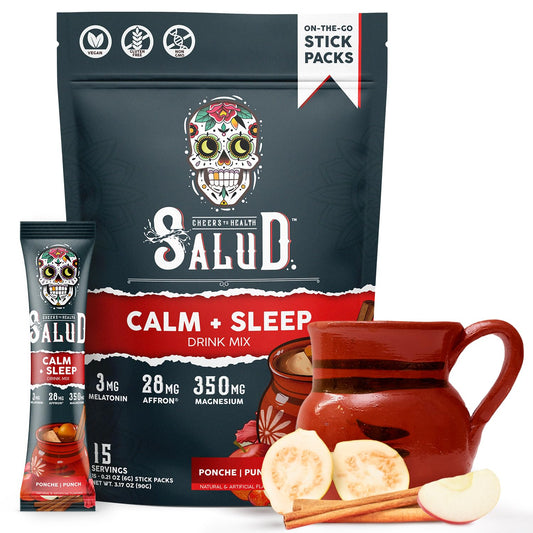
Teas: A gentle ritual-helpful for hydration and calm focus, especially in rainy-season training.
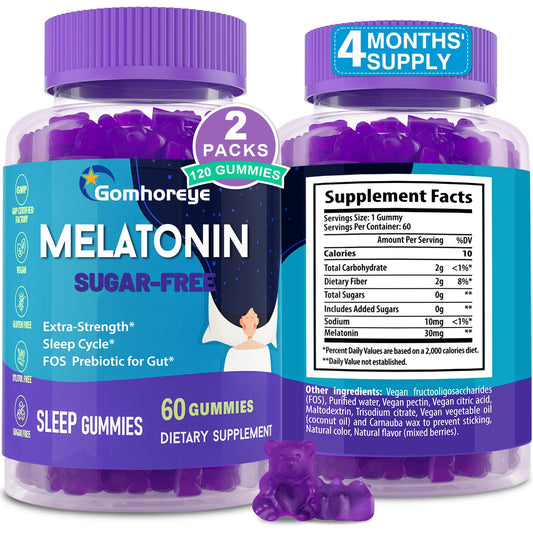
Gummies: Simple and portable; check the ingredient list if you prefer lower sugars or specific dietary needs.
To compare formats and ingredient blends in one place, visitthe Herbal Endurance & Energy Nutrition collection.
Safety, quality, and smart personalization
Herbs can be powerful, and “natural” doesn’t automatically mean “risk-free.” Use these practical checks to make your routine safer and more effective:
- Read the full label: Look for serving size, standardized extracts (where relevant), and clear ingredient amounts.
- Start low, go slow: Especially with stimulant-containing products or if you’re new to herbal blends.
- Watch combinations: Caffeine stacked with multiple stimulants can feel unpleasant and affect sleep.
- Consider your meds and health history: Some herbs may not be suitable with anticoagulants, antidepressants, sedatives, thyroid medication, or blood pressure/blood sugar medications.
- Plan around sleep: If sleep is your limiting factor, prioritize evening-friendly recovery habits over late-day stimulants.
- Choose reputable sourcing: Look for brands that emphasize testing and quality control. If you’re a competitive athlete, consider third-party tested options where appropriate.
Most importantly: if fatigue is persistent, unusual, or worsening, it’s worth checking in with a healthcare professional to rule out issues like iron deficiency, thyroid imbalance, overtraining, or inadequate energy intake.
Simple BC-ready routines (examples you can adapt)
These are general templates to help you think through a routine. Adjust based on your schedule, sensitivity, and the demands of your activity.
Rainy-season trail run (Vancouver / North Shore)
Focus: hydration you can forget to drink, steady energy, warm-up comfort. Prioritize fluids/electrolytes, a carbohydrate-forward snack, and a gentle pre-run option if caffeine makes you jittery.
Big hike day (Squamish / Sea-to-Sky)
Focus: long duration fueling. Start eating earlier than you think, use electrolytes, and pace the climb. Many “energy dips” are just under-fueling-bring more carbs than you expect to need.
Okanagan ride or run in summer heat
Focus: sodium and fluids. Use an electrolyte plan and keep carbs steady. Consider avoiding overly stimulating products if heat already elevates heart rate and perceived exertion.
Ski day (Whistler / Interior resorts)
Focus: staying warm, steady alertness, and recovery. Eat breakfast, pack snacks you’ll actually eat on chairlifts, and consider recovery supports post-day to feel better tomorrow.
FAQ
What’s the difference between endurance support and “quick energy”?
Quick energy is usually stimulant- or sugar-forward and can feel immediate. Endurance support is more about steady fueling, hydration, and ingredients (often herbal) that people use to feel consistent over longer durations and repeated training days.
Can I combine herbal energy products with coffee or pre-workout?
Sometimes, but be cautious. Check total caffeine and stimulant load, start with smaller amounts, and avoid late-day use that disrupts sleep. If you’re sensitive, choose non-stimulant or lower-stimulant options and prioritize carbs, fluids, and electrolytes.
How long does it take to notice adaptogen-style herbs?
It varies. Some people notice changes within days, while others assess over several weeks of consistent use. Track sleep, training load, and nutrition at the same time so you’re not guessing what’s driving the change.
Bringing it together for BC life
Herbal Endurance & Energy Nutrition is most helpful when it supports-not replaces-core habits: adequate food, smart hydration, good sleep, and training that matches your current capacity. In British Columbia’s mix of rain, mountains, heat waves, and long adventure days, the “best herbal picks” are the ones that fit your body and your schedule, keep energy steady, and make it easier to show up again tomorrow.
When you’re ready to explore options by format or ingredient focus, you can reviewHerbal Endurance & Energy Nutrition productsand choose a simple starting point that matches your routine.