







Black Currant Oil supplements vs alternatives for eczema - budget picks in Ontario

Compare Black Currant Oil Nutritional Supplements vs alternatives for eczema in Ontario. Learn benefits, safety, quality and budget-friendly picks to try.
Why compare Black Currant Oil Nutritional Supplements vs alternatives?
Eczema (atopic dermatitis) flares are highly individual. Many people try a mix of topical care and oral supplements to reduce dryness, itch and inflammation. Black currant oil nutritional supplements have become a popular oral option thanks to their gamma-linolenic acid (GLA) content and potential anti-inflammatory effects. But they’re not the only choice-alternatives include evening primrose oil, borage oil, fish oil, targeted moisturizers, and medical treatments.
Recommended products:Standard Process Black Currant Seed Oil Softgels - Gluten-Free Tissue Wellness (180 Softgels) guide
This article clarifies fit, features, performance and safety so you can make an informed consumer choice in Ontario. We include a practical vs table, guidance for seasonal and climate impacts (cold, dry winters), and a short checklist for buying quality supplements.
What is black currant oil and how it may help eczema
Black currant seed oil is an edible oil extracted from the seeds of Ribes nigrum. It’s valued primarily for these features:
- High gamma-linolenic acid (GLA) and linoleic acid of omega-6 fatty acids linked to skin barrier health.
- Anti-inflammatory compounds and antioxidant phytochemicals that can support skin comfort.
- Options in capsule or liquid form for oral supplementation.
Mechanism: GLA can be converted in the body to dihomo-gamma-linolenic acid (DGLA), which can produce anti-inflammatory eicosanoids. For some people with eczema, restoring certain fatty acid balances helps reduce dryness and irritation. Clinical evidence is mixed but suggests oral essential fatty acid supplementation may benefit subsets of people with atopic dermatitis when used alongside topical care.
Top alternatives to black currant oil
Common alternatives include:
- Evening primrose oil - another GLA-rich botanical supplement.
- Borage oil - one of the richest natural sources of GLA.
- Fish oil (omega-3 EPA/DHA) - supports systemic anti-inflammatory pathways via different mechanisms.
- Topical moisturizing therapies - barrier repair creams, ceramide products, urea, and emollients.
- Medical treatments - topical corticosteroids, topical calcineurin inhibitors, prescription systemic therapies for moderate-to-severe eczema.
Each approach has a different profile for onset, efficacy, side effects and cost. Below we compare them on practical consumer-focused criteria.
Practical vs: Black currant oil vs primary alternatives
| Option | Main active | How it helps | Pros | Cons |
|---|---|---|---|---|
| Black currant oil (oral) | GLA, linoleic acid | Supports skin barrier and may reduce inflammation | Balanced GLA and antioxidants; easy capsule use; gentle | Variable response; slower onset (weeks); quality varies |
| Evening primrose oil (oral) | GLA | Similar GLA support for skin lipids | Widely available; well-known option | Some people report limited benefit; more capsule-only options |
| Borage oil (oral) | High GLA | Strong GLA dose can be more potent for some users | High GLA content; may work when others don’t | Can be more expensive; possible impurities if not tested |
| Fish oil (oral) | EPA, DHA (omega-3) | Modulates inflammatory pathways differently | Supports cardiovascular and inflammatory health; broad benefits | Less direct impact on skin lipids; fishy aftertaste; not GLA |
| Topical barrier creams | Ceramides, glycerin, urea | Directly restores skin barrier and hydration | Fast symptom relief; core of eczema management | Must be applied regularly; doesn’t address systemic inflammation |
| Prescription therapies | Topical steroids, immunomodulators | Targeted inflammation control | Rapid relief for flares; proven efficacy | Side effects if misused; medical supervision required |
Use-case guidance: which option fits you?
Choosing between Black Currant Oil Nutritional Supplements vs alternatives depends on goals, severity, and lifestyle:
- If your priority is improving the skin barrier and you prefer gentle oral support, black currant oil nutritional supplements are a reasonable first step, often paired with dedicated moisturizers.
- If you need a stronger GLA dose, borage oil may be more effective for some people-but check product quality certificates for purity.
- If systemic anti-inflammatory benefits are desired (for co-existing joint or cardiovascular concerns), fish oil offers a different mechanism via EPA/DHA.
- If you need immediate relief for a flare, topical barrier creams and prescription topical therapies remain essential; oral oils are adjunctive and slower to act.
- If budget and convenience matter, capsule forms of black currant or evening primrose are easy to take daily and often affordably available in Canada.
Material and technology science: how and why these supplements work
At the molecular level, the key active in black currant oil is gamma-linolenic acid (GLA). GLA is an omega-6 fatty acid that’s metabolized into anti-inflammatory compounds. A balanced intake of essential fatty acids supports the lipid matrix of the stratum corneum (outer skin layer), which improves water retention and reduces transepidermal water loss.
Recommended products:Standard Process Black Currant Seed Oil Softgels - Gluten-Free Tissue Wellness (180 Softgels) guide| Read Standard Process Black Currant Seed Oil Softgels - Gluten-Free Tissue Wellness (180 Softgels)
Differences by oil:
- Black currant: combines GLA with linoleic acid and antioxidants like anthocyanins, offering both lipid support and oxidative protection.
- Borage: delivers higher GLA per dose, which can be beneficial where a stronger input of that precursor is needed.
- Evening primrose: provides GLA but often at lower concentrations than borage.
- Fish oil: supplies EPA and DHA, which interfere with pro-inflammatory eicosanoid production through different enzymatic pathways.
Processing matters: cold-pressed oils retain more phytochemicals; molecular distillation or third-party testing helps ensure purity (free of pesticides, heavy metals, or oxidative degradation). Look for certificates of analysis (COAs) and production details when buying.
Climate and seasonal impacts on performance (Ontario focus)
Ontario’s seasonal swing-cold, dry winters and humid summers-has a meaningful impact on eczema management:
- Winter: indoor heat and low humidity increase transepidermal water loss. Oral essential fatty acids can support barrier function over weeks, while rich topical emollients provide immediate relief.
- Spring/fall: pollen and fluctuating humidity can trigger flares. Anti-inflammatory nutritional supplements may provide baseline support for immune-mediated responses.
- Summer: sweating and friction can aggravate eczema; lightweight moisturizers and targeted topical care are often preferable. Oral oils have less immediate effect on sweat-provoked issues but can still contribute to overall skin resilience.
Practical tip for Ontario: combine daily topical barrier work in winter with consistent oral support (if chosen) to reduce flare frequency. For guidance on dose and form, consult a dermatologist or registered dietitian familiar with Canadian supplement regulation and climate-specific needs.
Recommended products: Read Standard Process Black Currant Seed Oil Softgels - Gluten-Free Tissue Wellness (180 Softgels) | Standard Process Black Currant Seed Oil Softgels - Gluten-Free Tissue Wellness (180 Softgels)
Safety warnings and usage limits
Consumer safety is paramount. General precautions for botanical and fish oils:
- Medication interactions: omega-3 and GLA-rich oils can affect blood clotting; if you’re on anticoagulants or have a bleeding disorder, check with a clinician.
- Allergies: people with seed or fish allergies must choose compatible options; check labels for cross-contamination warnings.
- Pregnancy and breastfeeding: consult a healthcare professional before starting any new supplement.
- Dosage and duration: benefits may appear after several weeks; follow labelled doses and avoid unverified high-dose regimens.
- Product purity: buy products tested for oxidation (peroxide values) and contaminants; rancid oils can worsen inflammation.
When in doubt, consult a dermatologist or a registered dietitian to tailor choices to your medical history and medications. Trusted health professionals and licensed pharmacists in Ontario can provide region-specific advice.
Maintenance and care checklist for supplement + topical routines
- Daily: apply a fragrance-free emollient twice daily to maintain barrier integrity (morning and evening).
- Supplement consistency: take your oral oil at the same time each day with food to improve absorption.
- Monitor response: give any new supplement at least 6-12 weeks before judging effectiveness; track symptoms in a simple diary.
- Storage: keep oils cool and dark; refrigerate liquid forms if recommended to reduce oxidation.
- Patch test: for topical additions, patch test new products on a small area for 48-72 hours.
Buying guide: quality, compatibility, and features to prioritise
When comparing Black Currant Oil Nutritional Supplements vs alternatives, focus on these attributes:
- Purity and third-party testing (COA): ensures absence of heavy metals, pesticides, and low oxidation.
- Concentration of active fatty acids: check GLA percentage and total omega profile, or EPA/DHA for fish oil.
- Form factor: capsules for convenience, liquids for dose flexibility; enteric coatings can reduce fishy burps for fish oil.
- Allergen and intolerance labeling: gluten-free, vegan (for seed oils), or fish-free if needed.
- Manufacturing standards: look for Good Manufacturing Practices (GMP) claims and clear production provenance-especially helpful when shopping in Ontario or across Canada.
To explore curated options, consider browsing a reliable collection of black currant supplements available in Canada:browse local Black Currant Oil Nutritional Supplements. For capsule vs liquid considerations specifically, see this detailed buyer-oriented overview:Best Black Currant Oil Nutritional Supplements for Daily Use: Capsules vs Liquid Options.
Budget picks and where to prioritise spending
Stretching your dollar wisely means prioritizing core attributes that affect safety and performance:
- Buy third-party tested supplements-better testing often costs more but reduces risk of rancid or contaminated oils.
- Cheaper brands may cut corners on processing; prioritize potency and purity over brand name alone.
- For topical care, investing in a good ceramide-rich moisturizer often yields faster symptom relief than higher-cost supplements.
- Consider trial sizes or smaller bottles when starting a new oil to evaluate personal response without overspending.
To compare product options quickly, visit a curated Canadian collection of black currant oil supplements:view Black Currant Oil options in Canadaorshop the Black Currant Oil Nutritional Supplements collectionto see formulations and labels vs.
Brand and product example
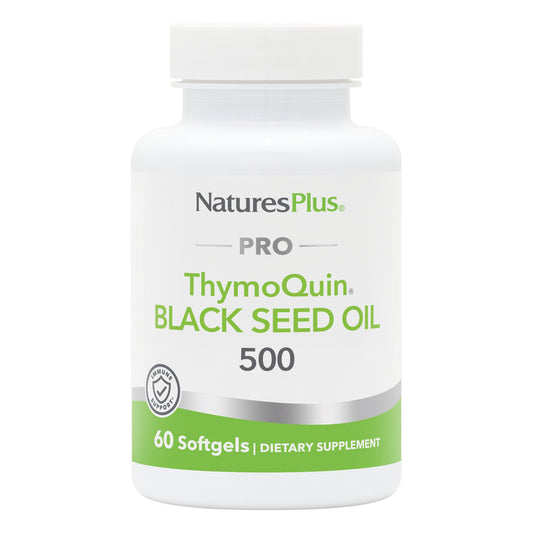
One readily available product type is a softgel black currant seed oil. For example, a gluten-free softgel formulation provides convenient dosing and is popular for daily routines:Standard Process Black Currant Seed Oil Softgels - Gluten-Free Tissue Wellness (180 Softgels). When evaluating similar products, compare GLA content per softgel, production date, and testing certificates.
Performance: what to expect and timelines
Recommended products: Standard Process Black Currant Seed Oil Softgels - Gluten-Free Tissue Wellness (180 Softgels) guide
Realistic timelines for benefit:
- Topical barrier creams: improvements often within days for itch and hydration.
- Oral oils (black currant, evening primrose, borage): measurable improvements may take 6-12 weeks in many people; individual response varies.
- Fish oil: systemic effects on inflammation may take several weeks and are more pronounced when used consistently.
Measure outcomes with practical markers: reduced itch frequency, fewer flares, improved sleep, and lower need for rescue topical steroids. Keep notes and, if using a supplement, record batch numbers and product details so you can link outcomes to specific formulations.
Integrating oral supplements with topical care
Best practice for many Ontario consumers is a layered approach: prioritize daily emollients and targeted topicals for immediate barrier support, with oral oils as adjunctive longer-term support. A typical regimen might look like:
Recommended products: Standard Process Black Currant Seed Oil Softgels - Gluten-Free Tissue Wellness (180 Softgels) | Learn about Standard Process Black Currant Seed Oil Softgels - Gluten-Free Tissue Wellness (180 Softgels)
- Morning and evening: apply ceramide-rich moisturizer; spot-treat active flare areas with prescribed topical agent as needed.
- Daily: take chosen oral oil supplement with a meal (capsule or liquid) and monitor for 6-12 weeks.
- Seasonal adjustments: increase topical emollient use during winter; consider starting oral support ahead of typical seasonal flare times.
If you’re uncertain about combining supplements with medications or have moderate-to-severe eczema, consult a dermatologist. For general guidance on starting at the right level of supplementation, see this primer on supplement levels:Black currant oil nutritional supplements for your level (beginner to advanced).
Practical vs checklist
Use this checklist when comparing products:
- Is the GLA or EPA/DHA concentration listed per serving?
- Is there a certificate of analysis or third-party testing?
- What is the recommended dose and form (capsule vs liquid)?
- Are there allergen statements and clean manufacturing claims?
- Does the label include storage guidance to reduce oxidation?
- Does the retailer ship and store products under appropriate temperature conditions for Canada?
Compare products vs in a curated collection to make these checks faster:compare Black Currant Oil products and labels.
Who benefits most from each option?
Typical consumer profiles:
- Black currant oil: adults and teens seeking gentle omega-6 support and antioxidant benefits who prefer botanical sources.
- Borage oil: people who have tried other GLA sources without effect and want a higher GLA dose-ideal with medical guidance.
- Evening primrose: first-time botanical tryers who want a widely available GLA option.
- Fish oil: people prioritizing systemic anti-inflammatory support and cardiovascular benefits in addition to skin health.
- Topical-first users: those with frequent flares or severe dryness should emphasize barrier repair and use oral oils only as adjuncts.
Is black currant oil better than evening primrose oil for eczema?
There’s no universal winner. Black currant oil provides GLA plus linoleic acid and antioxidants, while evening primrose mainly provides GLA. Some people respond better to one than the other. Try one option for 8-12 weeks and track results before switching.
Can I take fish oil and black currant oil together?
Yes, many people combine omega-3 (fish oil) with GLA-rich oils to support different anti-inflammatory pathways. However, check medication interactions and overall fatty acid balance with a healthcare professional.
How quickly will supplements reduce eczema flares?
Expect to give oral supplements at least 6-12 weeks to assess benefit. Topicals provide faster relief. Use supplements as part of a broader care plan rather than a stand-alone rapid fix.
E-E-A-T signals and trusted sources for further reading
This guide synthesizes current consumer-facing guidance from dermatology practice patterns, registered dietitian recommendations, and product manufacturing standards. For clinical questions, consult a licensed dermatologist or a registered dietitian in Ontario. Pharmacy professionals can advise on interactions with medications. When researching products, prioritize sources that provide peer-reviewed study references, third-party testing certificates, and clear ingredient transparency.
Final recommendation: balancing performance, safety and budget in Ontario
Black Currant Oil Nutritional Supplements vs alternatives each have a role. For many Ontario residents with mild-to-moderate eczema, a combined approach-consistent topical barrier repair plus a tried oral GLA supplement like black currant oil-offers a balanced, budget-conscious strategy. If you need stronger GLA exposure, consider borage oil under professional guidance. If systemic inflammation is a concern, pair or alternate with a high-quality fish oil. Always prioritise purity, dosage transparency, and medical safety checks.
For a curated starting point and to review product labels and formulations available in Canada, visit the curated collection:explore Black Currant Oil Nutritional Supplements in Canada. You can compare capsules, liquid forms and third-party tested options directly in that collection to find a fit that matches your budget and lifestyle:view Black Currant Oil supplement choices.
Recommended products: Standard Process Black Currant Seed Oil Softgels - Gluten-Free Tissue Wellness (180 Softgels) | Read Standard Process Black Currant Seed Oil Softgels - Gluten-Free Tissue Wellness (180 Softgels)