









Budget Vitamin B7 (biotin) supplement options for hair, skin and nails in 2026

Biotin-also known asvitamin B7-is one of the most talked-about nutrients for supporting normal hair, skin, and nails. In Canada, shelves (and online carts) are packed with choices: straight biotin capsules, gummies, “hair-skin-nails” blends, and higher-potency tablets that promise convenience. If you’re shopping theVitamin B7 Biotin Supplement Collectionwith a budget in mind, the best value usually comes from choosing theright format and dose for your routine, then avoiding add-ons you won’t realistically use.
Vitamin B7 Biotin Supplement Collection on a budget is the focus of this guide.
This vs-style guide breaks down the most common budget-friendly approaches you’ll see in 2026-what they’re best for, where they can fall short, and who each option tends to suit. For a curated set of biotin choices, you can browse Ariavit’s collection here:Vitamin B7 (biotin) options.
First, what makes a biotin supplement “budget-friendly” in 2026?
“Budget” doesn’t always mean “cheapest bottle.” It often means the lowest overall cost for something you’ll actually take consistently and tolerate well. In practical terms, value comes down to:
- Format you’ll stick with(capsule, tablet, gummy, liquid).
- Reasonable potency for your needsrather than automatically choosing the highest number on the label.
- Clean, simple ingredient listif you’re sensitive to sweeteners, flavours, or fillers.
- Third-party testing and transparent labellingwhen available (quality can save you money by reducing trial-and-error).
- Compatible dosing schedule(once daily is usually easier than multiple doses).
Also keep expectations realistic. Biotin supports normal nutrient metabolism and keratin-related processes, but results depend on your baseline status, overall diet, stress, sleep, and hair-care routine. If you suspect a medical cause of hair shedding (thyroid issues, iron deficiency, postpartum shedding, scalp conditions), it’s worth speaking with a pharmacist, nurse practitioner, or physician.
Quick label basics: biotin, dose ranges, and what to watch
When comparing products in aVitamin B7 Biotin Supplement Collection on a budget, you’ll notice that biotin doses can range widely (often listed inmcgormg). More isn’t automatically better for everyone. Many people do well with modest daily amounts, while others prefer higher-potency options for convenience. The right choice depends on your diet, any restrictions, and the rest of your supplement stack (for example, a multivitamin may already contain vitamin B7).
Important practical note:High-dose biotin can interfere with certain lab tests (including some thyroid and cardiac markers). If you have bloodwork scheduled, ask your healthcare professional how long to pause biotin beforehand.
As you browse options, consider these common label features:
- Standalone biotinvs.combo formulas(collagen, zinc, vitamin C, silica).
- Vegan/vegetariancapsules (cellulose) vs. gelatin.
- Sweeteners and flavoursin gummies (often the main “hidden cost” for people who don’t like them).
- Allergen statements(gluten-free, dairy-free) if relevant for you.
If you want to compare current picks in one place, start with Ariavit’sVitamin B7 Biotin Supplement Collectionand then use the sections below to narrow to the most cost-effective format for your routine.
Option 1: Basic biotin capsules or tablets (the usual budget winner)
What it is:A straightforward vitamin B7 supplement-typically one ingredient, sometimes with a simple excipient blend for manufacturing.
Why it’s often the best value:Minimal extras, easy once-daily habit, and you’re paying for biotin rather than flavours, sweeteners, or trendy blend ingredients.
Pros
- Usually the most cost-effective way to get a consistent daily dose.
- Simple label; easier to compare potency and ingredients across brands.
- Often available in vegetarian capsule options.
Cons
- No “supporting cast” nutrients (like zinc or vitamin C) unless you add them separately.
- Tablets can be harder to swallow for some people (capsules are often easier).
Best for:Anyone who wants a clean, straightforward approach; people already taking a separate multivitamin/mineral; students and families building a simple routine; shoppers who prefer fewer ingredients.
Budget tip:If you’re also taking a multivitamin, check whether it already includes biotin. You may not need a high-potency standalone product every day. Browse capsule and tablet styles here:biotin capsules and tablets.
Option 2: “Hair, skin and nails” combo formulas (value if you need multiple nutrients)
What it is:A blend that often includes biotin plus nutrients commonly associated with hair and skin support, such aszinc,vitamin C,vitamin E,silica, and sometimescollagenor amino acids.
How it can be budget-friendly:If you would otherwise buy several separate bottles, a well-built combo can reduce total spend and simplify your routine.
Pros
- One product can cover multiple supportive nutrients (convenient and potentially cheaper overall).
- Good for people with limited diets who want broader coverage.
- May pair biotin with antioxidant vitamins that support general skin health.
Cons
- Not all blends are equally useful-some add “pixie dust” amounts of trendy ingredients.
- You may pay for ingredients you don’t need or can’t tolerate.
- Some require multiple pills per day, which can reduce consistency.
Best for:People who want an all-in-one approach; those who don’t already supplement zinc/vitamin C; anyone trying to simplify their morning routine.
What to look for on the label:Clear amounts for each ingredient (avoid proprietary blends when possible), tolerable forms of minerals, and a dosing schedule you can realistically follow. To see combo-style picks alongside standalone biotin, explore thehair, skin and nails biotin selection.
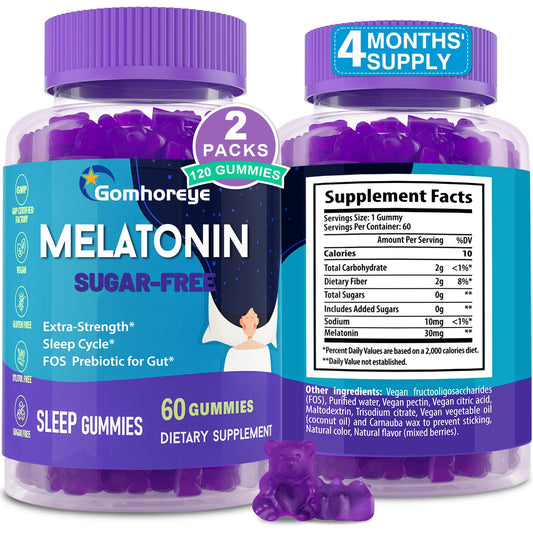
Option 3: Biotin gummies (only “budget” if you truly prefer them)
What it is:Chewable biotin, usually flavoured and sweetened, sometimes with extra vitamins like vitamin C or folate.
Gummies can help people who dislike swallowing pills, but the “budget” equation changes because you’re also paying for taste, texture, and added ingredients. If gummies keep you consistent, they may be worth it; if you can tolerate capsules, capsules are often the better value.
Pros
- Easy and pleasant to take; can improve adherence.
- Good option for adults who struggle with pills.
Cons
- Often include sugars or sugar alcohols; may not suit everyone’s preferences.
- Serving sizes can be 2+ gummies daily, which can shorten how long a bottle lasts.
- Heat and storage conditions can matter more than with capsules (check the label).
Best for:Adults who won’t take capsules/tablets consistently; travellers who want a no-water option (within storage guidance); those who prioritize taste.
Budget tip:Compare “servings per container,” not just bottle size. If you want to see gummy-style biotin alongside other formats, check thebiotin supplement collection.
Option 4: High-potency biotin (a convenience play, not always a value play)
What it is:Higher-dose biotin in one small capsule or tablet.
High-potency products can be appealing because they’re simple-one pill, done. But “more” can be unnecessary depending on your diet and other supplements, and it may complicate lab testing plans. For some people, it’s still a smart budget choice if it replaces multiple products or reduces the temptation to “double up.”
Pros
- Convenient once-daily routine.
- May be useful if you’re trying to avoid taking multiple pills.
Cons
- Not automatically better outcomes than moderate-dose options.
- Greater likelihood you’ll need to pause before certain blood tests (ask a professional).
Best for:People who want a single daily product and have discussed dosing with a healthcare professional; anyone who prefers the simplicity of one small capsule.
To compare potencies and formats vs, browse Ariavit’sVitamin B7 Biotin Supplement Collectionand filter by your preferred form.
Option 5: Biotin in a multivitamin or B-complex (the “already covered” approach)
What it is:Biotin included as part of a broader formula, such as a daily multivitamin or a B-complex with other B vitamins (like B12, folate, and pantothenic acid).
This can be the most budget-friendly option if you already want overall nutrient coverage-especially if your diet is limited, you’re often on the go, or you’re looking to simplify to one bottle.
Pros
- One product supports general nutrition, not just one nutrient.
- Can reduce “supplement stacking” and accidental overlap.
Cons
- The biotin amount may be lower than standalone products (which may be fine for many people).
- If you only want biotin, a multivitamin may include nutrients you don’t need.
Best for:People who want broad coverage; those who dislike taking multiple separate supplements; adults focusing on overall wellness along with hair and skin support.
How to choose based on your goal (hair, skin, nails) and your routine
Most budget decisions become easy when you match the product type to your real-life routine and the specific outcome you care about.
1) If your priority is hair
Hair appearance can be influenced by diet quality (protein intake), iron status, stress, postpartum changes, and styling practices. For a budget-first approach, many consumers start with a simple biotin capsule/tablet and focus on consistency for a few months, while also supporting overall nutrition.
Good budget picks:standalone biotin; biotin in a multivitamin if you want broader coverage.
2) If your priority is skin
Skin support is often broader than one vitamin. Hydration, barrier-supporting skincare, and dietary fats matter. If you want a supplement approach, combo formulas that include vitamin C and vitamin E may feel more aligned with skin-focused goals than biotin alone-provided you tolerate the formula and it replaces separate bottles.
Good budget picks:a well-designed combo formula; multivitamin plus standalone biotin only if needed.
3) If your priority is nails
If you deal with brittle or splitting nails from frequent handwashing, gel removal, or cold/dry Canadian winters, a consistent supplement routine plus protective nail care (gloves for cleaning, gentle filing, cuticle oil) often gives the best “value.” Many people choose a straightforward biotin product for simplicity.
Good budget picks:standalone biotin; combo formula if you also want minerals like zinc.
Canada-specific buying considerations (quality, labels, and practicalities)
When shopping in Canada, it’s reasonable to look for clear labelling, dosage transparency, and suitability for your dietary preferences. While regulations and label standards differ by region, you can still make smart by checking:
- Ingredient list clarity(avoid blends that don’t disclose amounts).
- DIN/NPN informationwhen provided on Canadian products (a helpful sign of compliance).
- Allergen statementsif you avoid gluten, dairy, or gelatin.
- Storage guidance, especially for gummies.
If you’re sensitive to digestive upset, consider simpler formulas first. If you’re already taking supplements like zinc, iron, or collagen, re-check your stack so you don’t pay twice for the same ingredient.
vs summary: which option is usually best on a budget?
Use this quick guide as a shortlist:
- Best overall budget value:basic biotin capsules/tablets.
- Best if you want fewer bottles:a strong hair-skin-nails combo (with transparent amounts).
- Best if you hate swallowing pills:gummies (only if you’ll take them consistently).
- Best for minimal routine complexity:once-daily higher-potency biotin (with lab-test awareness).
- Best if you want general nutrition too:multivitamin or B-complex that includes biotin.
To compare formats in one place, visit theVitamin B7 Biotin Supplement Collection on a budgetand choose the form you’ll actually use daily.
Smart ways to avoid overspending (without cutting corners)
Budget shopping works best when you reduce “trial-and-error” purchases. A few consumer-friendly strategies:
- Start simple:Try a single-ingredient biotin first unless you specifically want a multi-nutrient blend.
- Track overlap:If your multivitamin already includes vitamin B7, you may not need a separate high-potency product.
- Choose a routine you’ll maintain:The “best” supplement is the one you remember to take.
- Be cautious with mega-stacks:Adding collagen, keratin, silica, and multiple vitamins at once can make it hard to know what helped-and often costs more.
- Plan around lab work:If you have upcoming blood tests, ask about pausing biotin to avoid repeat testing.
FAQ
How long should I try biotin before deciding it’s not for me?
Hair and nails change slowly. Many people evaluate consistency over several weeks to a few months, alongside overall nutrition and gentle hair/nail care. If you notice unusual symptoms or have an underlying condition, check in with a healthcare professional.
Can I take biotin with other supplements like collagen, zinc, or a multivitamin?
Often yes, but it’s smart to avoid unnecessary overlap. If your combo formula already includes zinc and vitamin C, you may not need separate bottles. If you take a multivitamin, check whether it already contains biotin (vitamin B7) before adding more.
Where to browse biotin options at Ariavit (Canada)
If you want to compare formats quickly, Ariavit organizes choices in one place. Explore the collection here:browse biotin supplements. Whether you choose a basic capsule, a combo formula, or a gummy, the best budget result usually comes from picking a product you can take consistently, with ingredients that match your needs and preferences.