







Budget ginseng herbal supplement options for daily energy benefits?

Trying to find theGinseng Herbal Supplement Collection on a budgetcan feel oddly complicated: you’ll see capsules, powders, teas, and “adaptogen blends,” plus words likePanax,American ginseng, “standardized extract,” and “root powder.” If your goal is simple-daily energy benefitsthat feel steady and practical-this article compares the most common ginseng supplement approaches, their typical pros/cons, and which scenarios they fit best for Canadian shoppers.
Important note: ginseng is anherbal supplement. Individual results vary, and “energy” can mean different things (less fatigue, better focus, or more stamina). If you’re pregnant or breastfeeding, managing diabetes or blood pressure, taking blood thinners (like warfarin), or using stimulant medications, it’s smart to check with a pharmacist or clinician before starting. Also consider timing-some people find ginseng too stimulating late in the day.
To browse what’s available in one place while you compare formats, you can explore Ariavit’s collection here:Ginseng Herbal Supplement Collection.
How to compare budget ginseng options (without overpaying)
When people say “budget,” they usually mean one (or more) of these:
- Lower cost per serving(not just a lower sticker price).
- Less waste(a format you’ll actually take consistently).
- Right strength for your needs(so you don’t buy an overly complex formula).
- Simple ingredients(fewer add-ons, fewer fillers, easier tolerability).
Here are the main “value signals” that help you compare ginseng products fairly:
1) Type of ginseng:Most supplements use eitherPanax ginseng(often called Asian/Korean ginseng) orAmerican ginseng(Panax quinquefolius). Both containginsenosides, the key active compounds often referenced for ginseng’s benefits.
2) Form and extraction:Astandardized extract(with a stated ginsenoside percentage) can offer more consistency. Awhole root powdercan be simpler and sometimes more budget-friendly, but may vary more by batch and can require larger capsules/servings.
3) Dose practicality:A budget pick isn’t a deal if it requires taking many capsules per day or tastes too bitter to stick with. Consistency is where many people actually feel benefits.
4) Third-party quality cues:Look for clear labeling, lot numbers, GMP manufacturing statements, and transparent ingredient lists. These are basic trust markers for an herbal supplement category where quality can vary.
If you want to scan options while keeping these criteria in mind, here’s another path back to the collection:browse ginseng supplements in the collection.
Budget-friendly formats compared: capsules, powders, teas, and blends
Below are the most common approaches you’ll see within a ginseng-focused range. Think of these as “formats,” not medical advice. The best choice is the one that matches your routine, sensitivity to stimulants, and how you define “energy” (focus, stamina, mental clarity, or less afternoon sluggishness).
Option 1: Standardized ginseng extract capsules (Panax or American)
What it is:A concentrated extract in capsule form, often standardized to a specific ginsenoside level. This is one of the easiest formats to compare across products.
Why it can be budget-smart:Standardization helps you avoid paying for mystery potency. Capsules are also convenient for everyday use-useful if you’re commuting, travelling, or you simply don’t want to measure powders.
Pros
- Consistency:Standardized extracts can be more predictable from bottle to bottle.
- Convenience:Simple, fast, and portable.
- Less taste factor:No bitter herbal flavour.
Cons
- May feel “too much” for some:Especially if sensitive to stimulating herbs or caffeine.
- Not all extracts are equal:Quality and extraction methods vary-label transparency matters.
Best for:People who want a straightforward daily routine for energy, focus, and stamina-especially those who value clear labeling.
Budget tip:Compareservings per bottleand whether the product specifies standardized ginsenosides. If you’re minimizing spend, pick a simple formula without a long list of trendy add-ons you don’t need.
See capsules and extracts in theGinseng Herbal Supplement Collection.
Option 2: Whole root powder capsules (or loose powder)
What it is:Ground ginseng root, either encapsulated or sold as a powder. This is often positioned as a more “traditional” approach.
Why it can be budget-smart:Whole root can sometimes cost less than standardized extract per container, and loose powder may stretch further if you’re comfortable measuring.
Pros
- Simple ingredient profile:Often just ginseng root (plus a capsule material if encapsulated).
- Flexible:Powder can be added to smoothies, oatmeal, or warm drinks (flavour permitting).
- Good entry point:Some people prefer starting with a gentler, food-like format.
Cons
- Potency can be less clear:Without standardization, strength may be harder to compare.
- More volume:You may need more capsules/grams for a comparable effect.
- Taste:Loose powder can be bitter and earthy.
Best for:Budget-focused shoppers who prioritize minimal ingredients and don’t mind taking multiple capsules or using a powder.
Budget tip:If you’re using powder, start small to test tolerance and timing. If you’re using capsules, check how many capsules equal one serving.
Explore root-based options here:shop the ginseng herb collection.
Option 3: Ginseng tea, sliced root, or “drinkable” formats
What it is:Ginseng prepared as a tea (tea bags, sliced root for simmering, or granules designed to dissolve). Some people prefer the ritual: a warm cup is a cue to slow down, hydrate, and reset-an underappreciated part of “energy management.”
Why it can be budget-smart:Tea formats can be cost-effective per use, and they’re often easy to fit into a daily routine-especially if you’re already swapping in herbal tea for a second coffee.
Pros
- Routine-friendly:Works well as a mid-morning or early-afternoon habit.
- Hydration support:Not a “stimulant fix,” but it can help replace dehydrating patterns.
- Flexible strength:Steep time and amount can be adjusted (within reason).
Cons
- Harder to standardize:Actual ginsenoside content per cup isn’t usually precise.
- Time required:Not ideal if you want a 5-second solution.
- Taste:Some people need honey/lemon/ginger to enjoy it.
Best for:People who want a gentler approach, prefer warm beverages, or want “steady support” rather than a noticeable kick.
Budget tip:If you’re choosing tea bags, compare the grams of herb per bag and number of bags per box. For sliced root, check storage needs so it stays fresh.
See what’s available in the collection:ginseng daily energy options.
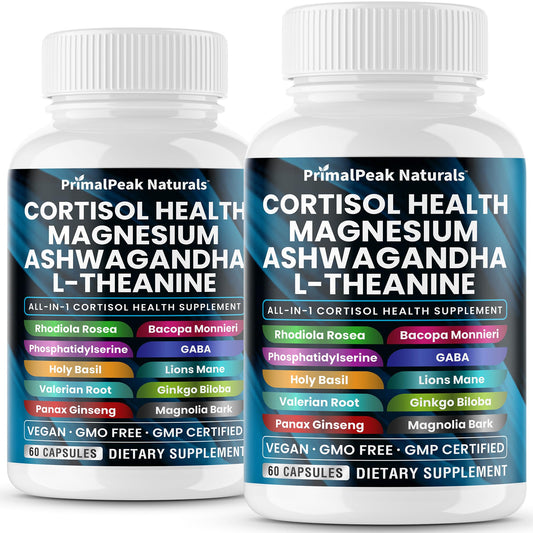
Option 4: Adaptogen blends that include ginseng (plus supportive herbs)
What it is:A multi-ingredient supplement that includes ginseng alongside other adaptogens or supportive botanicals (for example, ashwagandha, rhodiola, schisandra) and sometimes functional mushrooms (like reishi or cordyceps) or vitamins (like B-complex). These blends are often marketed for stress resilience, mental clarity, and stamina.
Why it can be budget-smart (and when it isn’t):A blend can be good value if it replaces multiple bottles you’d otherwise buy. But it can be less budget-friendly if the ginseng dose is small and you’re paying mainly for a long label.
Pros
- All-in-one convenience:One product may cover multiple wellness goals.
- Synergy for some routines:People often pair ginseng with herbs aimed at stress support.
- Good for “busy season”:Work deadlines, exams, or travel can benefit from a simplified stack.
Cons
- Harder to evaluate value:You’re comparing many ingredients at once.
- More potential sensitivities:More herbs = more chances something doesn’t agree with you.
- May dilute the star ingredient:Sometimes ginseng is present, but not the main driver.
Best for:People who want broader “daily support” (energy + stress + focus) and prefer one product over multiple.
Budget tip:Read the Supplement Facts/ingredients panel carefully. If the blend uses a proprietary formula without amounts, it’s harder to judge whether it’s a true budget win.
To compare blend-style products alongside simpler picks, go back to:Ariavit’s ginseng supplement collection page.
Option 5: Ginseng + caffeine “energy” products (use caution)
What it is:Some products pair ginseng with caffeine sources (like green tea extract or guarana) for a more noticeable boost.
Why it can be budget-smart:If you already use caffeine, a combined product may feel effective quickly-though that doesn’t always translate to the best long-term fit.
Pros
- Faster perceived lift:Especially for morning grogginess.
- May reduce “guesswork”:One item instead of separate coffee + supplement routines.
Cons
- Jitters/sleep impact:Not ideal if you’re sensitive to stimulants.
- Harder to tell what’s working:Is it ginseng benefits or caffeine?
- Not always “daily-friendly”:Some people do better with cycling or earlier timing.
Best for:People who tolerate caffeine well and want a more noticeable morning push-ideally earlier in the day and not alongside multiple other stimulants.
Budget tip:Track your total caffeine intake from coffee, tea, pre-workouts, and chocolate. A product can look inexpensive but cost you in sleep quality (which often undermines daytime energy).
Which ginseng type fits your goal: Panax vs American ginseng
This is a simplified, user-focused way to think about it (not a guarantee):
- Panax ginsengis often chosen for “get-up-and-go” energy, motivation, and performance-style stamina.
- American ginsengis often chosen for a steadier, more even feel-especially by people who want support without feeling overstimulated.
Both are popular herbal options for “daily energy benefits,” and both show up across capsules, extracts, and blends. If you’re unsure, consider your caffeine relationship: if coffee already makes you edgy, you may prefer a gentler approach and earlier dosing.
Use-case guidance: pick the best budget approach for your routine
For students (focus during study blocks):A standardized extract capsule can be the simplest. Consider taking it earlier in the day, and avoid stacking with high-caffeine drinks late afternoon.
For parents (afternoon slump):Tea or a gentler capsule format may fit best-something that supports consistency without interfering with sleep.
For fitness and active lifestyles (stamina):Many people prefer Panax-style extracts or blends geared toward endurance. Pay attention to whether the product is stimulant-heavy if you train later in the day.
For shift workers (schedule-friendly support):Convenience matters most. Capsules tend to win here; choose a format you can take with a small snack and time it to your “day,” not the clock.
For older adults (gentle daily wellness):Simpler formulas with clear labels can be easier to manage alongside other supplements. If you take medications, ask a pharmacist about interactions.
Pros and cons snapshot (quick vs)
If you want a fast way to choose:
- Best consistency for the money:Standardized extract capsules.
- Best minimal-ingredient value:Whole root powder (capsules or loose).
- Best routine/ritual fit:Tea or sliced root.
- Best “one product does more” approach:Adaptogen blends (if dosed transparently).
- Best for a noticeable kick:Ginseng + caffeine products (with caution).
What to look for on the label (budget + quality)
These checks can help you avoid paying for hype:
- Latin name:Panax ginsengorPanax quinquefoliusshould be stated.
- Plant part:Root is common; be cautious if it’s unclear.
- Extract ratio or standardization:Look for ginsenoside standardization if you want consistency.
- Serving size:Confirm how many capsules/scoops per day.
- Extra ingredients:Decide if you want adaptogens, mushrooms, or vitamins-or if you prefer a simpler herbal supplement.
- Manufacturing cues:Clear company info, lot numbers, and good labeling practices.
To review product labels vs, return to:the Ginseng Herbal Supplement Collection.
Simple ways to make a budget ginseng routine actually work
Even the best budget pick won’t feel like a win if it doesn’t fit your day. These practical habits can help:
- Choose a consistent time:Many people take ginseng earlier in the day to protect sleep.
- Pair with a small snack:If you’re prone to stomach sensitivity, don’t take it on an empty stomach.
- Track your baseline:For 1-2 weeks, note sleep, stress, caffeine, and energy levels so you can tell what changed.
- Keep caffeine honest:If you’re evaluating benefits, try not to change coffee/energy drink habits at the same time.
- Consider cycling:Some consumers prefer taking breaks (for example, weekdays only), especially with stronger extracts.
FAQ
How long does ginseng take to notice daily energy benefits?
Some people notice changes in focus or stamina within days, while others feel more subtle, gradual benefits over a few weeks. Consistent timing, sleep quality, and caffeine intake can heavily influence what you notice.
What’s the most budget-friendly way to try the Ginseng Herbal Supplement Collection?
Start with a simple, clearly labeled option you can take consistently-often a basic capsule or root powder format. If you want the easiest , look for products that state the ginseng type and serving details so you can judge value per serving.
Bottom line: the best budget option is the one you’ll use consistently
If you’re shopping theGinseng Herbal Supplement Collection on a budget, prioritize clarity (type of ginseng, serving size, and whether it’s standardized) and choose a format that matches your lifestyle. Capsules tend to be easiest for consistency, powders can stretch your budget if you’ll actually measure them, teas are great for a gentle routine, and blends are worthwhile when they transparently replace multiple products.
When you’re ready to compare what’s available in one place, you can revisit the collection here:Ginseng Herbal Supplement Collection (Ariavit Canada).