






Menstrual pain relief essentials on a budget (heat pads, patches, teas & more)

When cramps hit, it’s tempting to buy everything that promises fast relief. But the bestMenstrual Pain Relief Essentials on a budgetusually come from mixing a few dependable, low-cost tools that match your symptoms, your cycle, and your day-to-day-whether you’re commuting in Toronto, working from home in Halifax, studying in Vancouver, or trying to sleep through a rough first day.
This vs-style guide breaks down common, budget-friendly approaches (heat pads, patches, teas, magnesium, and more), including who they tend to help, what they’re good for, and what to watch for. It’s consumer-focused and practical-built around real scenarios like school days, shift work, travel, and staying comfortable at home.
If you’d like to browse curated options as you read, you can explore theMenstrual Pain Relief Essentials collectionand compare categories based on your needs.
First: know what you’re trying to soothe (and when)
“Period pain” can mean different things. Some people feel deep lower-abdominal cramping (uterine contractions), others get low-back pain, hip pain, pelvic pressure, headaches, nausea, fatigue, bloating, constipation, or loose stools. Your most cost-effective essentials depend onwhatyou feel andwhenit shows up.
- Day 1-2 cramps:often respond well to heat therapy and targeted topical comfort.
- Back and hip ache:may do better with a larger heat pad/wrap and mobility-friendly options (patches).
- Bloating + discomfort:warm fluids (tea), hydration, and gentle movement can help you feel more comfortable.
- Sleep disruption:longer-lasting warmth (safe heat wrap) and a calming routine can matter as much as the product.
- Busy days:discreet, portable options (heat patches, stick-on or wearable warmth) often win on convenience.
Also consider: if your menstrual pain is new, suddenly much worse, or comes with symptoms like heavy bleeding that soaks through protection quickly, dizziness, fainting, fever, severe one-sided pain, or pain outside your period, it’s worth checking in with a healthcare professional. Budget-friendly doesn’t mean ignoring red flags.
vs: budget-friendly approaches for menstrual pain relief
Below are common “essentials” people use for menstrual pain relief-compared for cost-control, convenience, and how they fit different situations. Many people get the best results from astack: one “core” tool (usually heat) plus one or two supporting habits (hydration, tea, magnesium or ginger, gentle stretching, etc.).
1) Heat therapy: heating pads, hot water bottles, and wearable heat
Best for:classic cramps, pelvic tension, low-back pain, stiffness, feeling chilled during your period.
Why it’s budget-smart:a heating pad or hot water bottle is reusable and can last for years, making it one of the most affordable long-term menstrual comfort essentials.
Pros
- Fast, soothing comfort for cramps and muscle tension
- Reusable options can be cost-effective over time
- Great for at-home use, relaxation, and sleep prep
Cons
- Not always convenient on the go (unless wearable)
- Needs safe use (avoid direct high heat on skin; follow device directions)
- Can be bulky for commuting or school
Use-case guidance:
- At home:choose a larger pad for abdomen + lower back coverage.
- At work or class:look for discreet warmth options (wraps/patches) you can wear under clothing.
- Overnight:opt for safe, controlled heat and avoid anything that could overheat while you sleep.
To compare wearable warmth and other comfort tools, seebudget-friendly menstrual comfort picksin the collection.
2) Heat patches and warming wraps: discreet, portable comfort
Best for:commuting, long meetings, campus days, travel, and anyone who can’t stay parked by an outlet.
Why it’s budget-smart:while patches are typically single-use, they can prevent “panic buying” multiple products when you mainly need portability for a couple of high-impact days.
Pros
- Hands-free and discreet under clothing
- Great for lower belly or back support while you move
- No setup beyond applying and going
Cons
- Ongoing replenishment cost compared with reusable heat
- Not ideal if you have very sensitive skin (always patch test and follow directions)
- Heat level is less adjustable than an electric pad
Use-case guidance:If your cramps spike during errands or on transit, patches can be your “daytime essential,” while a reusable heating pad stays your “home base.” For options to compare, browseportable period relief essentials.
3) Herbal teas: ginger, peppermint, chamomile, and raspberry leaf blends
Best for:people who want gentle support, warm hydration, and a calming ritual-especially with bloating, nausea, or stress.
Why it’s budget-smart:tea is often low-cost per serving and supports hydration-something many people overlook during their menstrual cycle.
Pros
- Warmth + hydration can feel soothing
- Easy to keep at home, work, or in a bag
- Supports a calming routine (helpful when pain disrupts mood and sleep)
Cons
- Effects can be subtle and vary by person
- Some herbs may not be suitable in pregnancy or with certain medications-check with a pharmacist if unsure
- Not instant for intense cramps
Use-case guidance:Pair tea with heat therapy for a “low-cost combo.” Ginger tea is a popular pick when nausea or tummy discomfort tags along; peppermint is often chosen for digestive comfort; chamomile is commonly used for relaxation. If you want to explore supportive options alongside other essentials, visitmenstrual comfort essentials.
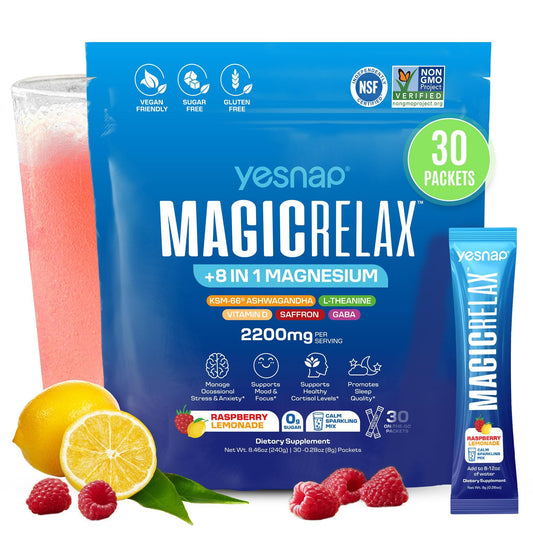
4) Magnesium: a popular supplement for muscle relaxation support
Best for:people who want a daily routine support (not just during cramps), and those who notice muscle tightness, tension, or sleep disruption around their period.
Why it’s budget-smart:magnesium can be used beyond menstruation (sleep, muscle function), so it may earn its place as a multi-purpose essential if it agrees with you.
Pros
- Fits into a simple daily routine
- Many forms are widely available
- Can complement non-supplement tools like heat and stretching
Cons
- Not everyone tolerates every form (some can cause digestive upset)
- Takes consistency; not a “right now” fix
- May interact with certain medications-ask a pharmacist if you take prescriptions
Use-case guidance:If you’re buildingMenstrual Pain Relief Essentialsfor long-term comfort, magnesium is often considered a “baseline” option. If your main issue isonlytwo intense cramp days per month, you may get more value from heat + patches first. To compare menstrual-support options in one place, seeAriavit’s menstrual pain relief essentials.
5) Topical comfort: balms, roll-ons, and menthol-style rubs
Best for:back ache, hip tension, and people who like a sensory “cooling/warming” feel alongside heat.
Why it’s budget-smart:a small topical can last many uses and can be used for non-period muscle soreness too.
Pros
- Portable and quick to apply
- Good add-on for localized back discomfort
- Can pair well with a heating pad (use as directed and avoid irritation)
Cons
- Skin sensitivity is possible; avoid broken skin
- Scent may be noticeable in shared spaces
- Not always ideal for the lower abdomen depending on formula and sensitivity
Use-case guidance:If your cramps come with “tight lower back,” topical comfort can be a budget-friendly add-on. For ideas to pair with heat and tea, browseperiod relief essentials in Canada.
6) Gentle movement + positioning: stretching, walks, and sleep setup
Best for:stiffness, back pain, and anyone who feels worse after staying still all day.
Why it’s budget-smart:it’s free, and it can make your other essentials (heat, topical comfort, hydration) work better.
Pros
- No product required
- Can ease the “locked up” feeling that comes with cramps
- Supports stress management, which can amplify pain perception
Cons
- Hard to start when pain is intense
- Not a full solution for everyone
Use-case guidance:Try a 5-10 minute walk, gentle hip openers, or a supported child’s pose with a pillow. At night, consider side-sleeping with a pillow between knees for pelvic comfort. Keep expectations realistic: the goal is “a notch better,” not perfection.
Which essentials are best on a budget? Pick by scenario
Here’s a practical way to build your kit without overspending: start with a “core” option, then add one targeted support based on your most annoying symptom.
If you’re mostly at home (WFH, caregiving, recovery day)
- Core:reusable heating pad or hot water bottle
- Add-on:herbal tea (ginger, peppermint, chamomile) for warm hydration
- Optional:topical comfort for low-back tension
If you commute or can’t take breaks easily (office, retail, school)
- Core:heat patch/wrap for discreet warmth
- Add-on:travel tea bags + water bottle to stay hydrated
- Optional:magnesium as a consistent routine (if suitable for you)
If sleep is the biggest issue
- Core:safe, controlled heat before bed
- Add-on:chamomile tea or a wind-down routine (dim lights, screen break)
- Optional:magnesium (discuss with a pharmacist if you’re unsure)
If you get bloating and digestive discomfort with cramps
- Core:warmth (abdomen) + gentle movement
- Add-on:peppermint or ginger tea
- Optional:simple meal choices (soups, warm foods) and steady hydration
If you prefer to compare options category-by-category, you can use theMenstrual Pain Relief Essentials collectionas a quick reference while you decide what’s worth it for your routine.
How to compare value (without getting stuck overthinking)
When you’re shopping on a budget, “value” is usually a mix ofreusability,how often you’ll reach for it, andhow well it fits your real life.
- Reusable vs. single-use:a heating pad often wins long-term value; patches win convenience.
- Coverage area:larger heat coverage can be more satisfying if you get back + belly pain.
- Time-to-comfort:if you need help during class or work, convenience may matter more than “best per-use cost.”
- Sensitivity:if you have sensitive skin or scent sensitivity, prioritize gentle formulas and patch testing.
- Multi-purpose use:magnesium or topical rubs may also support non-menstrual muscle soreness or general wellness routines.
Smart ways to save without sacrificing comfort
These strategies help keep your menstrual pain relief essentials truly budget-friendly:
- Build a two-tier kit:one home option (reusable heat) + one portable option (patch/wrap) for peak days.
- Buy for your top symptom:if back pain is your main issue, don’t overbuy abdomen-only solutions.
- Use “ritual” tools:tea + heat + a 10-minute rest can feel more effective than any single item alone.
- Track one cycle:note what day pain starts, where it is, and what helped. Next month’s purchases become obvious.
- Check interactions:if you take medications or have health conditions, a pharmacist can help you choose safer options-especially for supplements and herbal products.
FAQ
What’s the best single essential to start with on a tight budget?
For most people, a reusable heat option (heating pad or hot water bottle) is the best first pick because it’s versatile for menstrual cramps, low-back pain, and general muscle tension.
Are heat patches worth it if I already have a heating pad?
They can be worth it if your hardest moments happen away from home (work, school, travel). A heating pad covers home comfort; patches add discreet, portable warmth for the times you can’t plug in or lie down.
Can I combine tea, magnesium, and heat?
Many people do: heat for immediate comfort, tea for warm hydration, and magnesium as a routine support. If you’re pregnant, breastfeeding, taking prescriptions, or managing a condition, check with a healthcare professional or pharmacist before adding supplements or specific herbs.
Bottom line:The bestMenstrual Pain Relief Essentials on a budgetare the ones you’ll actually use. Start with heat, add one portable or symptom-specific support, and refine your kit based on what your menstrual cycle is really like-not what a generic list says you “should” buy.