






Budget resveratrol nutritional supplements under $30 in Canada (capsules vs gummies)?

Searching forResveratrol Nutritional Supplements on a budgetin Canada often leads to one practical question:capsules vs gummies. Both formats can fit an under-$30 spending limit depending on the serving size, ingredient list, and how many days a bottle actually lasts. But they don’t feel the same day-to-day, and the label details that matter for “value” are different.
This blog post is for Canadian consumers who want a clear, label-first way to compareresveratrolnutritionalsupplements-without hype. We’ll focus on what tends to affect the real-world experience: dosing flexibility, taste and adherence, added ingredients, and practical trade-offs. For easy browsing, you can see available options in theResveratrol Nutritional Supplements collection.
Quick reality check: what “budget” really means for resveratrol
When people say “under $30,” they usually mean “feels affordable at checkout,” but budget value is more aboutcost per dayand whether you’ll consistently use the product. Resveratrol supplements can vary widely in:
- Form: capsules, tablets, gummies, powders, liquids
- Source: Japanese knotweed (Polygonum cuspidatum) is common; some products mention grape skin or red wine polyphenols
- Type: trans-resveratrol vs generic “resveratrol” labeling (not always specified)
- Strength: mg per serving and number of servings per container
- Extras: quercetin, piperine (black pepper extract), grape seed extract, antioxidants, vitamin C, or other polyphenols
People often look up resveratrol for potentialbenefitsrelated to general wellness and healthy aging. In Canada, supplements are regulated differently than drugs, and you’ll still want to evaluate claims carefully. If you’re pregnant, breastfeeding, managing a health condition, or taking medications (including blood thinners), it’s wise to ask a pharmacist or clinician before starting.
If you want to compare what’s currently available, start here:browse resveratrol supplement options.
Capsules vs gummies: the budget vs Canadians actually feel
Capsules: best for label simplicity and dosing consistency
Capsulesare often the “no-nonsense” choice for Resveratrol Nutritional Supplements on a budget because the formula tends to be simpler: resveratrol (sometimes with a few supporting ingredients) plus a capsule shell. They also store well and usually have less added sugar than gummies.
Pros (capsules)
- Lower additive load: fewer sweeteners, flavours, colourants, and acids
- Often easier to compare: mg per capsule is straightforward for cost-per-serving math
- Portable: easy to keep in a bag for travel or work
- Typically neutral taste: helpful if you dislike flavoured supplements
Cons (capsules)
- Swallowing: not ideal if you struggle with pills
- Less “routine enjoyment”: some people simply take gummies more consistently
- May include capsule materials: gelatin (non-vegetarian) or cellulose (vegetarian); check your preference
Best for: people who want a simple ingredient list, prefer minimal sugar, and value a straightforward daily routine.
To compare capsule-style products vs, you can open theresveratrol nutritional supplements collectionand review serving sizes and ingredient panels.
Gummies: best for adherence, taste, and “I’ll actually take it” routines
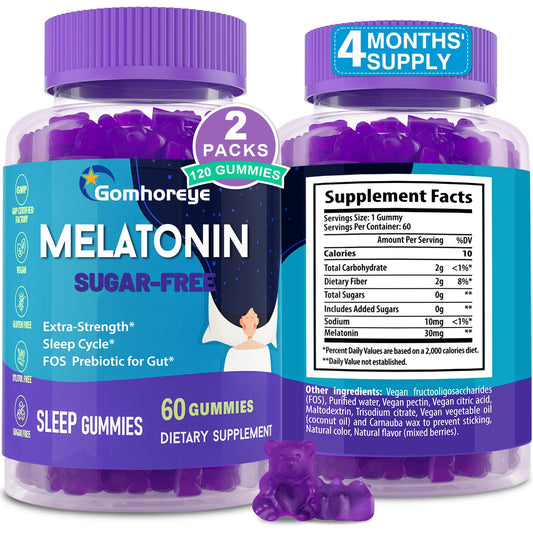
Gummiescan be a smart budget choice if they help you stick to a routine-because unused supplements are the most expensive supplements. That said, gummies often require more ingredients to achieve texture and flavour, and the label can include sugars or sugar alcohols, acids (like citric acid), and natural flavours.
Pros (gummies)
- Easy to take: helpful for pill fatigue or swallowing issues
- Routine-friendly: taste can support consistency
- No water needed: convenient when you’re commuting or travelling
Cons (gummies)
- Added ingredients: sugars/sweeteners, flavours, colours, gelling agents
- Serving size can be 2+ gummies: a bottle may run out faster than it appears
- Heat sensitivity: can stick together in warm conditions (car, cottage trip)
Best for: people who prioritize ease and consistency, and who don’t mind (or can accommodate) the added ingredients common in gummies.
Want to see what gummy options exist right now? Start withthis resveratrol supplements page.
How to judge “under $30” value without getting tricked by the front label
Two products can both be “budget,” but one might last 30 days while another lasts 15. Before you decide between capsules vs gummies, look for these value signals:
1) Count the servings, not just the bottle size
Check “servings per container” and “serving size.” Gummies often list 2 gummies per serving. Capsules often list 1 capsule per serving. That single detail can change your cost-per-day and how often you repurchase.
2) Look for the resveratrol amount per serving (mg) and whether it specifies trans-resveratrol
Some labels simply say “resveratrol,” while others specifytrans-resveratrol, a commonly referenced form in research discussions. Not every consumer needs that specificity, but it can help you compare like-with-like across brands.
3) Check for “supporting ingredients” that affect absorption or tolerance
Budget products sometimes add ingredients to differentiate themselves, such as:
- Piperine(black pepper extract): used in some supplements to support absorption of certain compounds; can be irritating for some stomachs and can interact with medications
- Quercetin: a flavonoid sometimes paired with polyphenols
- Grape seed extractor otherpolyphenols: positioned for antioxidant support
Whether these extras are a “bonus” depends on your sensitivities, your medication list, and what you’re trying to keep simple.
4) Scan for allergens and dietary preferences
Common considerations: vegetarian/vegan capsule shells, gelatin in gummies, gluten statements, and sweeteners (especially if you’re sensitive to sugar alcohols). If you follow a specific dietary pattern, the cheapest option isn’t a value if it doesn’t fit your needs.
5) Assess the “taste vs trade-off” factor
This is underrated. If you’ve ever bought supplements and stopped after a week, you already know that adherence matters more than minor differences on paper. Gummies can win here; capsules can win for minimalism.
To keep your vs clean, open several tabs from theAriavit CA resveratrol collectionand compare: serving size, servings per container, mg per serving, and added ingredients.
Which format fits your lifestyle? Common Canadian use cases
If you want the simplest daily habit
Choosecapsules. They’re typically easier to keep consistent with a morning or bedtime routine and often have fewer taste-related barriers.
If you already take several supplements
Capsules (or small tablets) may reduce flavour fatigue and sugar intake. Also consider how resveratrol fits with other items like omega-3, magnesium, vitamin D, or a multivitamin-more gummies can add up in sweetness and total chewables.
If you travel (work trips, cottage weekends, flying)
Capsules are usually easier for packing and temperature changes. Gummies can melt or clump in warm weather, which is a real factor in Canadian summers (and in heated bags during winter travel).
If you dislike swallowing pills or have pill fatigue
Gummies are often the better match. The best budget choice is the one you’ll actually take consistently, especially if your goal is steady supplementation.
If you’re watching sugar or dental health
Capsules often fit better. For gummies, read the nutrition facts (if present) and the ingredient list for sugars, syrups, or sticky textures that may linger on teeth.
Common product types you’ll see (and how to compare them)
Within Resveratrol Nutritional Supplements, you may encounter a few patterns. Here’s how to compare them without overcomplicating it:
1) “Straight resveratrol” formulas
These focus on resveratrol as the main active. They’re often easier to evaluate and can be ideal for first-time users who want to learn how they feel with a simpler formula.
2) Resveratrol + polyphenol blends
Some products include grape-derived ingredients (like grape seed extract) or other antioxidants. If you’re looking for a broader “plant compound” approach, these blends can be appealing-just make sure the resveratrol amount is still clearly listed.
3) Resveratrol + absorption helpers
Products that include piperine or similar ingredients may be positioned for absorption support. If you have a sensitive stomach or take medications, check with a pharmacist before choosing these.
4) Gummies with multi-ingredient wellness positioning
Gummies sometimes bundle resveratrol with other nutrients for a “beauty,” “antioxidant,” or “healthy aging” theme. These can be convenient, but compare the actual resveratrol amount and the number of gummies per serving.
If you’re currently exploring what’s available, here’s another direct link toshop resveratrol nutritional supplements in Canada(for browsing and label-checking).
Pros and cons summary: capsules vs gummies (budget-focused)
Capsulestend to deliver better “budget math” when you prioritize low additives, simpler formulas, and easy vs of mg-per-serving.Gummiestend to deliver better “budget reality” when they improve consistency and make daily use easier.
- Choose capsulesif: you want fewer extras, minimal sweetness, and easier label .
- Choose gummiesif: you struggle with pills and want a format you’ll reliably take.
Safety and quality notes (Canada-friendly, practical)
Even budget supplements should be approached thoughtfully. A few smart checks:
- Read the full label: active amount, serving size, and non-medicinal ingredients.
- Be cautious with interactions: if you take prescription medications or have a chronic condition, ask a pharmacist before starting resveratrol.
- Start simple: if you’re new, consider a straightforward formula so you can judge tolerance.
- Follow directions: more isn’t automatically better, and “stacking” multiple antioxidant products can be unnecessary.
About this guidance:This article is written for general education by a consumer-focused ecommerce content editor. It doesn’t replace medical advice. For personal recommendations, speak with a qualified healthcare professional in Canada (pharmacist, nurse practitioner, or physician).
FAQ: choosing budget resveratrol supplements in Canada
Are resveratrol gummies less effective than capsules?
Not necessarily. It depends on theresveratrol amount per serving, the ingredient list, and whether you take it consistently. Gummies can be a better choice if they improve adherence, while capsules can be better if you want fewer added ingredients.
What should I look for on a resveratrol supplement label when shopping on a budget?
Compareservings per container,mg per serving, whether the label specifiestrans-resveratrol, and the non-medicinal ingredients (sweeteners, gelatin, flavours, piperine, or added polyphenols). Then choose the format you’ll actually use daily.
Where to browse options (and how to compare quickly)
If you want to keep your research simple, open a few products from the same place and compare labels line-by-line. You can start with theAriavit Canada Resveratrol Nutritional Supplements collection, then shortlist two candidates-one capsule and one gummy-and pick the one that best fits your routine, ingredient preferences, and budget target.