








How to choose a chamomile herbal supplement collection for better sleep and stress relief benefits?

Learn how to choose a Chamomile Herbal Supplement Collection in Ontario. Compare tea, capsules & tinctures, label cues, quality checks, and safety tips.
What a Chamomile Herbal Supplement Collection is (and why it matters)
AChamomile Herbal Supplement Collectionis simply a curated group of chamomile-based products-often across multiple formats-intended to support common goals like relaxation, bedtime comfort, and occasional stress relief. You may see single-ingredient chamomile products (for example, chamomile tea or chamomile capsules), plus multi-ingredient options that combine chamomile with other botanicals used for calm and sleep routines.
In Ontario, “collection” can be especially helpful because it allows you to compare similar products vs and choose what best suits your lifestyle: a warm tea for a wind-down ritual, a capsule for convenience, or a liquid extract for flexible dosing. If you want to explore options in one place, you can browse a dedicatedChamomile Herbal Supplement Collectionand then narrow down by format and label details.
It also matters because “chamomile” isn’t always identical from one product to another. Products can differ by:
- Species(commonly German chamomile /Matricaria recutitaor Roman chamomile /Chamaemelum nobile)
- Plant partused (typically flower heads)
- Preparation(infusion/tea vs standardized extract)
- Additional ingredients(other herbs, flavours, sweeteners, binders)
- Quality testing(identity, contaminants, allergen controls)
Understanding these basics makes it easier to choose a chamomile supplement that aligns with your goals and your comfort level.
Who this is for in Ontario (and who should be cautious)
This topic is for Ontario adults who are looking for a gentle, herbal option to support:
- Sleep hygiene(settling down at night, easing into a bedtime routine)
- Relaxationafter a busy day
- Occasional stressand tension
- Evening wind-down ritualsthat don’t rely on stimulants
It can also be relevant if you’re comparing chamomile tea vs a more concentratedherbal supplementformat like capsules or tinctures-especially if you want convenience or consistent intake.
Important cautions before you choose
Chamomile is widely used, but it isn’t a fit for everyone. Consider extra caution and speak with a qualified healthcare professional (such as a pharmacist or your clinician) if any of the following apply:
- Allergies: Chamomile is in the Asteraceae (daisy) family. If you have known ragweed or daisy-family allergies, be careful.
- Pregnancy or breastfeeding: Ask your healthcare provider before using concentrated herbal extracts.
- Children: Product suitability and dosing can vary widely; consult a pediatric healthcare professional.
- Medications: If you take prescription medications, especially those affecting bleeding risk or causing sedation, ask a pharmacist about interactions.
- Upcoming surgery: Discuss supplement use in advance with your care team.
This article is educational and not a substitute for medical advice. If sleep trouble is persistent, severe, or paired with mood changes, it’s worth checking in with a healthcare professional to rule out underlying causes.
Choosing the right format: tea, capsules, tinctures, gummies, or blended formulas
One of the easiest ways to narrow aChamomile Herbal Supplement Collectionis to start with the format that fits your routine. People in Ontario often balance commute time, shift work, family schedules, and screen-heavy evenings-so convenience can be as important as ingredients.
Chamomile tea (infusion)
Best for:a calming ritual, hydration, and a gentle bedtime cue.
Tea is the classic choice: warm, simple, and easy to pair with other sleep hygiene habits (dim lights, reading, a consistent bedtime). Look for tea made from chamomile flowers, ideally with clear sourcing and minimal added flavouring if you’re sensitive to tastes or sweeteners.
Ontario tip:In winter, a warm infusion can feel especially soothing. If you’re trying to reduce evening caffeine, swapping in chamomile tea is a practical step.
Capsules or tablets
Best for:consistency, portability, and avoiding strong herbal taste.
Capsules can be convenient if you want a no-fuss routine or prefer not to drink tea close to bedtime. Check whether the product uses powdered herb or an extract, and read the label for any added ingredients (fillers, binders, or allergens).
Tinctures and liquid extracts
Best for:flexible serving sizes and faster integration into a routine (for example, in water).
Liquid extracts can be useful if you don’t like swallowing capsules. Pay attention to whether the extract is alcohol-based or glycerin-based, and confirm ingredient transparency. If you’re sensitive to taste, you may prefer mixing it into a small amount of water or herbal tea.
Gummies and flavoured formats
Best for:taste and habit-building-if you’re comfortable with added ingredients.
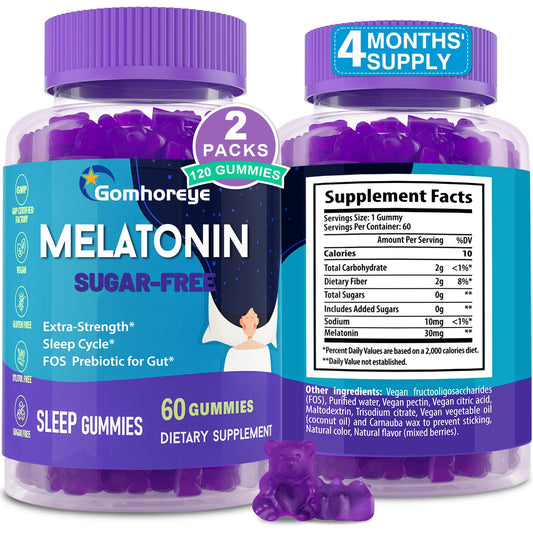
Gummies can be approachable, but they may include sweeteners, flavours, or colourants. If you’re choosing gummies, consider whether you want sugar-free options, and read allergen statements carefully.
Blended herbal formulas (chamomile + other botanicals)
Best for:people who want a broader “calm + sleep” approach.
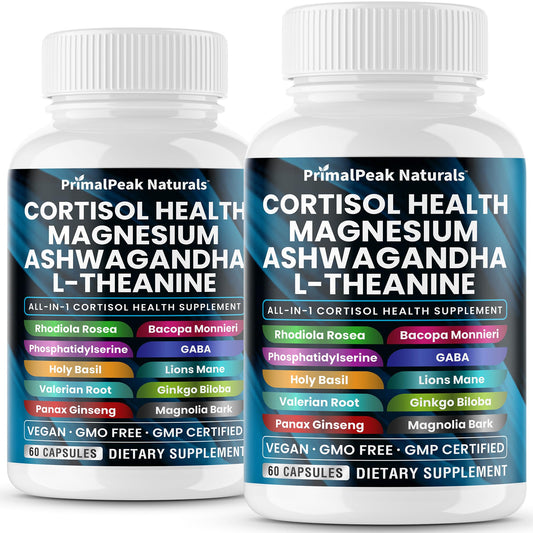
Some products combine chamomile with other commonly used sleep and relaxation botanicals such asvalerian,passionflower,lemon balm,lavender, orashwagandha. These blends can be appealing, but the more ingredients you add, the more important it is to check for interactions, sensitivities, and how you personally respond.
If you’d like to compare these format options in one place, start with a curatedchamomile supplement collectionand open product pages to review labels vs.
Ontario shopping checklist: label details and quality cues to look for
When you’re choosing anysupplement, label literacy matters. In Canada, natural health products typically carry anNPN(Natural Product Number) or DIN-HM (for homeopathic medicines). While an NPN doesn’t guarantee a product will work for everyone, it does signal that the product has been reviewed for permitted claims, ingredients, and basic safety/quality requirements.
1) Identify the chamomile species and plant part
Look for the Latin name (for example,Matricaria recutita) and whether the product uses the flower. Clear identification helps you compare products fairly.
2) Check the type of preparation: whole herb vs extract
Two chamomile capsules can be very different depending on whether they contain powdered herb or a concentrated extract. If it’s an extract, look for details such as extract ratio or standardization (if provided). If you’re unsure, choose products that explain their extraction method and serving details plainly.
3) Scan the non-medicinal ingredients
Non-medicinal ingredients can affect tolerability. Common examples include capsule materials, binders, flavours, sweeteners, and preservatives. If you have dietary preferences, look for cues like vegan capsules or allergen statements (for example, gluten-free), and avoid ingredients you know you don’t tolerate well.
4) Look for quality testing and transparency
Good brands often mention quality controls such as identity verification and contaminant screening (for example, heavy metals, microbes, or pesticide residues). You don’t need to memorize lab jargon-just prioritize products that communicate quality steps clearly and don’t hide behind vague language.
5) Match the product’s timing to your goals
If your primary goal is bedtime relaxation, choose a format you can take consistently 30-60 minutes before bed (or earlier if you’re using it as part of a longer wind-down). If your goal is daytime calm, choose a product and serving plan that won’t interfere with your daily responsibilities.
6) Consider sensitizing factors: allergies and fragrance-like botanicals
Chamomile is generally considered gentle, but allergy-prone individuals should be cautious. If you’re sensitive, a single-ingredient option may be easier to evaluate than a multi-herb blend.
7) Choose the simplest option that meets your needs
If you’re new to herbal supplements, simpler is often better. A straightforward chamomile tea or a single-ingredient capsule can help you understand your personal response before trying complex blends.
To streamline your vs, use a single curated page like Ariavit’sChamomile Herbal Supplement Collectionand apply this checklist product by product.
How to use chamomile for better sleep and stress support (without overcomplicating it)
Chamomile works best when it’s part of a bigger routine-especially for sleep. Think of it as a supportive habit that pairs well with other evidence-based sleep hygiene steps.
Build a simple evening routine
- Pick a consistent timeto start winding down (even 20-30 minutes helps).
- Reduce bright light and screensin the hour before bed when possible.
- Choose one chamomile formatyou’ll actually use-tea, capsule, or tincture.
- Add a cue: a short stretch, reading, or a warm shower.
- Keep it steadyfor a week or two before judging your results.
For daytime stress: keep expectations realistic
Many people use chamomile as a gentle way to support calm during busy periods-work deadlines, exams, family caregiving, or travel. If you’re trying daytime use, consider starting on a low-stakes day so you can observe how you feel, especially if you’re sensitive to drowsiness.
Pairing ideas (common companion ingredients)
Some people prefer a broader herbal approach. Depending on your needs and sensitivities, you may see chamomile paired with:
- Magnesium(often used in evening routines)
- Melatonin(commonly used for short-term schedule shifts; discuss with a professional if unsure)
- L-theanine(often chosen for relaxed focus)
- Lavender,lemon balm,passionflower, orvalerian(botanicals frequently found in sleep blends)
If you’re browsing combinations, stick to clear labels and avoid stacking multiple new products at once. It’s easier to judge benefits when you change one variable at a time.
For a quick look at different chamomile-led options in one place, you can explore Ariavit’schamomile herbal supplement collection pageand note which formats match your daily habits.
Practical scenarios: which chamomile option may fit best?
Below are common Ontario-life situations and how consumers often match them to a chamomile format. Use these as starting points-not as medical advice.
Scenario: You want a cozy wind-down ritual during colder months
Many people choosechamomile teabecause the warmth itself supports relaxation. Consider pairing it with a consistent bedtime, low lighting, and a screen-free buffer.
Scenario: You don’t want to drink liquids late at night
Acapsulemay be easier if you’re trying to avoid waking up for the washroom. Focus on clean labels and clear chamomile identification.
Scenario: You travel between GTA meetings or have a shifting schedule
A portable option-capsules or a small liquid extract-can be easier to keep consistent. If you’re flying or changing time zones, consider your overall sleep hygiene first, then choose a simple chamomile product as a supportive add-on.
Scenario: You’re sensitive to additives
Look for single-ingredient chamomile products with minimal non-medicinal ingredients. This can make it easier to evaluate tolerability and potential benefits.
To compare products by scenario, it can help to filter your search through a dedicatedChamomile Herbal Supplement Collectionand then focus on ingredients, format, and quality cues.
Common mistakes to avoid when choosing chamomile supplements
- Choosing by flavour alone: Taste matters, but label details and quality testing matter more.
- Starting with a complicated blend: If you’re new, try chamomile by itself first so you can assess how you respond.
- Ignoring allergy risk: If you react to ragweed or daisies, be cautious and consider professional guidance.
- Expecting an instant fix: Chamomile supports a routine; it’s not a substitute for addressing sleep environment, stress load, or medical factors.
- Mixing too many calming products: Stacking multiple sedating herbs or sleep aids at once can increase side effects.
FAQ
What should I look for on a chamomile supplement label in Canada?
Look for clear chamomile identification (Latin name and plant part), serving information, a full ingredient list (including non-medicinal ingredients), and an NPN where applicable. Choose brands that explain quality testing and sourcing in plain language.
Is chamomile better as tea or capsules for sleep?
It depends on your routine. Tea is ideal if you want a calming bedtime ritual, while capsules can be better if you want convenience or prefer not to drink liquids late at night. Many people start with tea and switch formats if needed.
Can I take chamomile every night?
Many consumers use chamomile regularly as part of an evening routine, but personal tolerance and health status matter. If you take medications, are pregnant or breastfeeding, or have allergies, check with a healthcare professional before consistent use.
Choosing your best-fit Chamomile Herbal Supplement Collection in Ontario
To choose well, start with your goal (sleep routine, occasional stress relief, or both), then pick a format you’ll use consistently. From there, apply a simple quality checklist: clear chamomile identification, transparent ingredients, Canadian compliance markers like an NPN when applicable, and brand openness about testing and sourcing. If you want to compare options quickly, browsing a single curatedChamomile Herbal Supplement Collectioncan help you narrow your shortlist based on labels and personal preferences.