


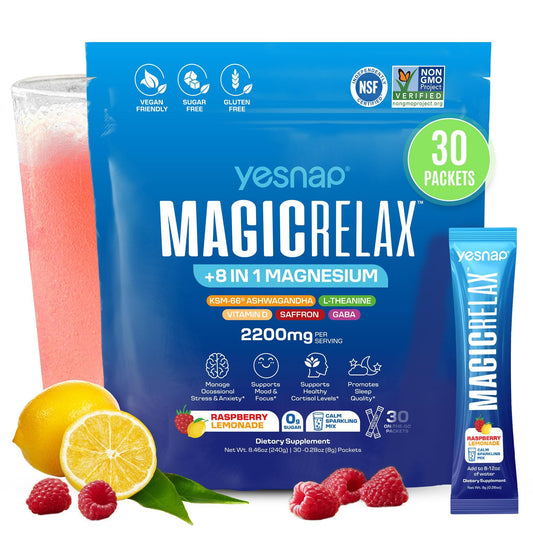

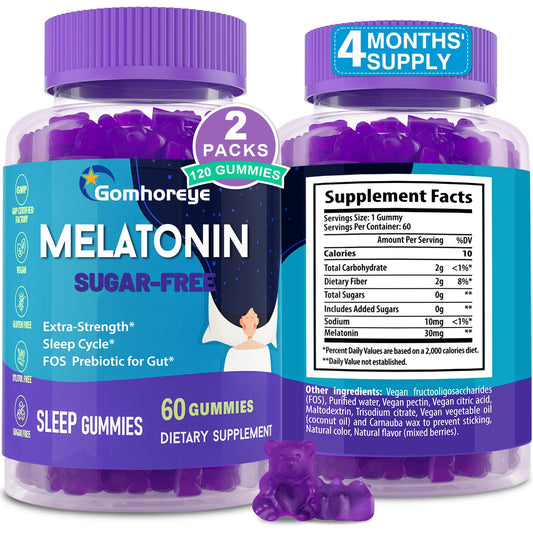


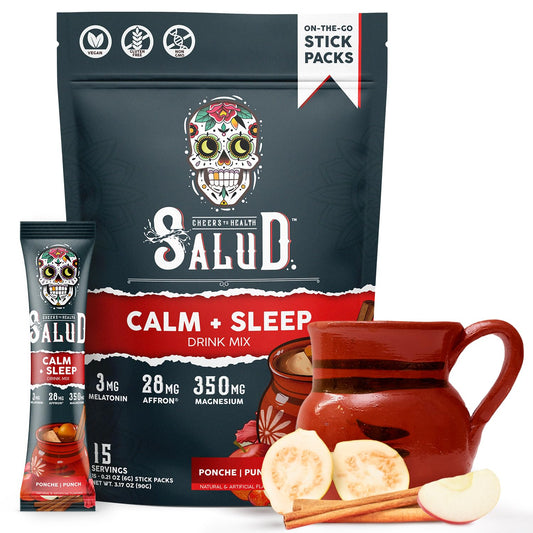

How to choose a sodium mineral supplement (Sodium Mineral Supplement Collection) for daily hydration benefits and electrolyte balance?

In Alberta, it’s common to think about hydration in summer heat, during winter chinooks, or on days when you’re outdoors for hours-skiing, hiking, working out, or simply running errands in dry air. Water matters, but so do electrolytes: minerals that help your body manage fluid balance, nerve signals, and muscle function. Sodium is one of the key electrolytes, and it often gets overlooked until you feel “off”-headache, fatigue, low energy, or muscle cramping (especially when you’ve been sweating or drinking lots of plain water).
This article explains how to choose a sodium mineral supplement from aSodium Mineral Supplement Collectionwith daily hydration benefits and electrolyte balance in mind. It’s written for everyday consumers-people who want to understand what sodium is doing, when a supplement may be useful, what product formats exist, and how to read labels without getting lost.
To browse options while you read, you can explore theSodium Mineral Supplement Collectionon Ariavit CA Supplement.
What a Sodium Mineral Supplement Collection is (and who it’s for)
ASodium Mineral Supplement Collectionis a curated group of products designed to provide sodium (and often complementary electrolytes like potassium, magnesium, and chloride) in convenient forms-powders, capsules, tablets, or ready-to-mix electrolyte blends. Some products focus primarily on sodium; others aim for a broader electrolyte profile for hydration support.
In everyday life, sodium comes from food (salt, soups, breads, cheese, processed snacks). But sodium needs and intake can vary widely depending on:
- Activity level:running, cycling, gym training, hockey, skiing, hiking, or physically demanding work can increase sweat loss.
- Environment:Alberta’s dry air can make you feel thirsty without realizing how much fluid you’re losing, and high-altitude trips (Banff, Canmore, Jasper) can also change hydration needs.
- Diet patterns:whole-food, minimally processed diets may be lower in sodium; very salty diets may already be high.
- Fluid intake habits:drinking a lot of plain water without enough electrolytes may contribute to feeling depleted for some people, particularly after heavy sweating.
- Personal tolerance:some people are more sensitive to sodium, blood pressure changes, or fluid shifts.
Who may be interested in a sodium mineral supplement (with appropriate guidance)?
- Active adultswho sweat heavily (sports, fitness, long walks, outdoor recreation).
- People who feel “washed out” after sweatingor after long periods of drinking only water.
- Those following lower-sodium diets by choice(for example, mostly home-cooked, unprocessed meals) who want targeted electrolyte support for workouts.
- Travelersdoing road trips or mountain stays who want a simple hydration routine.
Who should be extra careful and speak with a clinician (pharmacist, nurse practitioner, or physician) before adding sodium supplements?
- Anyone withhigh blood pressure, heart failure, kidney disease, or fluid retention concerns.
- Anyone on medications that affect fluid or electrolytes (for example, certain diuretics or blood pressure medications).
- Pregnant or breastfeeding individuals who want personalized guidance.
If you want to see the range of formats typically used for hydration routines, visit thiselectrolyte and sodium supplement collection.
Core concepts: sodium, electrolytes, and daily hydration benefits
Sodiumis an electrolyte mineral that works closely with potassium and chloride to help regulate fluid balance. It also plays a role in nerve impulses and muscle contraction. When you sweat, you lose water and electrolytes-often including sodium. Replacing fluid without replacing electrolytes can leave some people feeling tired, lightheaded, or crampy, especially after longer or more intense sweating.
“Daily hydration benefits” can mean different things for different people. For many consumers, it’s about feeling steady-less afternoon slump, fewer headaches linked to dehydration, and better recovery after exercise. For others, it’s about performance during longer activity or comfort in dry environments. The right product depends on your routine, sweat rate, and how you already eat.
Semantically, hydration support often overlaps with these related terms and ideas (you’ll see them on labels and product pages):electrolyte balance,fluid balance,osmolality,sweat loss,heat exposure,cramps,energy levels,endurance,recovery, andtrace minerals.
If you’re browsing and comparing options, thisSodium Mineral Supplement Collection at Ariavitis a helpful starting point because products are grouped by a shared goal: electrolyte support that includes sodium.
How to choose the right sodium mineral supplement in Alberta
Below are practical, consumer-friendly criteria you can use to choose a product. You don’t need to be an expert-just match the supplement to your typical day.
1) Start with your “why”: everyday hydration vs. heavy sweat days
Ask yourself when you want to use it:
- Everyday hydration:a lighter electrolyte product may be enough-especially if you’re not sweating heavily.
- Workout or sport:you may prefer a more targeted electrolyte blend that’s easy to mix and sip.
- Outdoor days:hiking in Kananaskis, long bike rides, summer festivals, or ski days may call for portability (single-serve packets, tablets).
- Heat waves or dry indoor winter air:you might want a simple routine that supports consistent fluid intake.
2) Look at the sodium amount per serving-then compare to your sweat and diet
Label reading matters. Products can vary widely in sodium per serving. Rather than choosing the highest number automatically, consider:
- Your sweat pattern:do you notice salt stains on clothing or stinging eyes from sweat? (A clue you may lose more salt.)
- Your diet:if your meals are already salty, you may not need much extra sodium most days.
- Your timing:a smaller amount spread across the day can feel different than one large dose at once.
If you’re unsure, consider starting with a moderate option and adjusting based on how you feel-while keeping an eye on total daily sodium intake. For a range of options, explore thesodium-focused electrolyte supplements here.
3) Check the supporting electrolytes: potassium, magnesium, chloride
Many hydration products pair sodium with:
- Potassium:helps with cellular fluid balance; common in electrolyte formulas.
- Magnesium:involved in muscle function and energy metabolism; some people prefer smaller amounts to avoid digestive upset.
- Chloride:often present as sodium chloride; contributes to fluid balance.
- Calcium:sometimes included for muscle function support.
For everyday use, many people prefer balanced formulas rather than sodium-only-unless they have a specific reason to focus on sodium. Ahydration and electrolyte collection with sodiummakes it easier to compare different combinations.
4) Choose the product format you’ll actually use
Consistency beats perfection. Common formats include:
- Powders:easy to scale up or down; great for bottles during workouts.
- Effervescent tablets:portable and simple; drop into water.
- Capsules:convenient if you dislike flavoured drinks, but you’ll still need water.
- Ready-to-mix sticks:travel-friendly for road trips, work bags, or ski pockets.
Alberta-specific practicality: if you’re commuting in Calgary or Edmonton, traveling between towns, or spending weekends in the mountains, portability can be the deciding factor. Keep a few servings in your day bag so hydration support isn’t limited to home.
5) Review sweeteners, flavours, and additives-especially for daily use
If you’ll use an electrolyte supplement frequently, pay attention to the full ingredient list:
- Sugar content:some people like a bit of glucose for endurance; others prefer low- or no-sugar options for daily sipping.
- Sweeteners:if certain sweeteners bother your stomach, choose accordingly.
- Flavours and colours:personal preference matters; mild flavours can be easier for everyday use.
- Acids (like citric acid):common in flavoured electrolyte products; consider dental sensitivity and rinse with water after sipping.
6) Consider your schedule: when to take it for the best “everyday” feel
There’s no single perfect timing, but these patterns are common:
- Morning:useful if you wake up feeling dry (common in winter heating) or after an early workout.
- Before activity:especially if you’re heading into heat, a longer session, or a mountain hike.
- During activity:sip gradually for steadier hydration support.
- After sweating:to support recovery and rehydration alongside food.
In many cases, pairing electrolytes with food is gentler on the stomach. If you’re building a routine, start simple: one serving around the part of the day you’re most likely to feel dehydrated.
Use cases in Alberta: common scenarios where sodium and electrolytes matter
Hydration needs aren’t just about summer. Alberta’s climate and lifestyle can create a year-round need to pay attention to fluids and electrolytes.
Outdoor recreation: hiking, skiing, and mountain trips
Trips to Banff, Canmore, Jasper, or Kananaskis often mean more time outdoors, more elevation, and longer active days than normal. Even when it’s cool out, you can still lose fluids through breathing and sweat under layers. Many people find an electrolyte drink mix easier to stick with than plain water alone.
Fitness and sport: gym training, running, hockey, spin, team sports
High-intensity intervals, long runs, and indoor rinks can lead to substantial sweat loss. A sodium-containing electrolyte supplement can be a practical tool for hydration support-especially if you’ve ever finished a workout feeling unusually drained.
Workdays: physically demanding jobs or long shifts
Construction, landscaping, warehouse work, and other physically active roles can lead to all-day sweat loss in summer. A portable electrolyte option can help you maintain steady fluid intake and reduce the temptation to rely only on caffeinated drinks.
Dry winter air and indoor heating
Winter in Alberta often means low humidity. People may not notice thirst as much, yet still feel dry or headachy. A mild electrolyte product can encourage regular drinking and support fluid balance-especially if you’re prone to forgetting water during the day.
How to read labels responsibly (and avoid common mistakes)
Electrolyte and mineral supplements can be helpful, but they’re not “more is always better.” Here are common pitfalls and how to avoid them:
Mistake: treating sodium supplements as a substitute for meals
Electrolytes support hydration, but they don’t replace calories, protein, or overall nutrition. For longer active days, food matters-especially carbohydrates for endurance and protein for recovery.
Mistake: ignoring total daily sodium intake
Because sodium is common in food, it’s possible to overshoot your personal comfort level if you stack salty meals with high-sodium drinks. If you notice swelling, unusual thirst, or headaches, consider reducing sodium intake and consult a healthcare professional if symptoms persist.
Mistake: overlooking caffeine, alcohol, and heat exposure
More coffee, energy drinks, or alcohol can change how you feel hydration-wise. On hot days or after drinks, focus on water plus electrolytes and aim for steady intake rather than chugging all at once.
Mistake: choosing a product you don’t enjoy
If you dislike the taste, you won’t use it. Many Canadians do best with a flavour they can sip regularly, or a capsule/tablet option if they prefer plain water.
If you’d like to compare product types (powder vs. tablets vs. capsules), you can scan theSodium Mineral Supplement Collectionand focus on format, sodium amount per serving, and the supporting minerals included.
What “quality” can look like in a sodium mineral supplement
Quality isn’t only about branding-it’s about transparency and fit. When evaluating a supplement, look for:
- Clear labeling:sodium listed per serving, plus other electrolytes and serving size.
- Reasonable directions:straightforward mixing instructions and suggested use.
- Ingredient clarity:you can recognize what’s inside (minerals, flavouring, sweetener, etc.).
- Canadian compliance cues:products sold in Canada typically include bilingual labeling; for supplements, many consumers also look for a Natural Product Number (NPN) when applicable.
For consumers who prefer simple routines, an electrolyte powder with sodium plus potassium and magnesium is a common choice. For those who want minimal flavouring, capsules or unflavoured mixes may be easier.
FAQ
How do I know if I need sodium or just more water?
If you’re sweating a lot (exercise, heat, heavy layers) and plain water doesn’t make you feel rehydrated-especially if you get headaches, feel low-energy, or crampy-adding electrolytes that include sodium may help. If you have blood pressure, heart, or kidney concerns, check with a healthcare professional before increasing sodium.
Can I use an electrolyte supplement from the Sodium Mineral Supplement Collection every day?
Many people use electrolyte supplements daily, especially when they’re active or live in dry conditions, but the best choice depends on your total dietary sodium, health history, and how you feel. Consider starting with a lower or moderate sodium option and using it most on days with more sweat loss.
What’s the best format for travel around Alberta?
Single-serve sticks or effervescent tablets are often the easiest for road trips, hiking, ski days, and work bags because they’re lightweight and don’t require measuring.
Key takeaways for choosing a sodium mineral supplement in Alberta
To choose confidently, focus on your routine: how much you sweat, how dry your environment is, and what your diet already provides. Compare sodium per serving, check for complementary electrolytes (potassium, magnesium, chloride), and pick a format you’ll use consistently. If you have any medical conditions that affect fluid balance-especially blood pressure or kidney concerns-get personalized advice before adding extra sodium.
When you’re ready to explore options, theSodium Mineral Supplement Collectionis a simple way to compare sodium-inclusive electrolyte products by format and ingredients.