







First aid supplies collection tips for advanced camping kits - expert picks

Compiled by experienced outdoor medics, wilderness guides, and product specialists, this explains how to assemble, care for, and confidently use an advanced first aid kit tailored to Canadian camping seasons, terrains, and group sizes. The recommendations balance practical field experience with product performance observations from extended trips across provincial parks, alpine terrain, coastal islands, and long canoe routes.
First Aid Supplies Collection advanced tips is the focus of this guide.
Why upgrade your first aid supplies collection: benefits for seasoned campers
As you move beyond basic kits, the benefits of a purpose-built first aid supplies collection become obvious: better wound control, faster response for sprains and fractures, lighter-weight high-performance materials, and modular layout that improves speed of access under stress. In cold or wet Canadian conditions, quality, compatibility, and safety take on greater importance-items that perform well in summer heat may fail when frozen or saturated.
An advanced kit emphasizes seven outcomes: bleeding control, infection prevention, immobilization, thermal protection, hydration support, environmental protection (insect and tick mitigation), and usability under low light. Those are the criteria we use throughout this guide when recommending supplies and organizing a kit for specific trip types.
Core components and how to choose them
Start by grouping supplies by function, not just quantity. Think in modules: wound care, haemorrhage control, musculoskeletal support, environmental protection, medications and clinical aids, hygiene and PPE, and tools. For each category, prioritize quality, compatibility, fit, features, and performance.
Wound care essentials
Key items for reliable wound management include sterile dressings, adhesive and cohesive bandages, antiseptic wipes, wound closure strips, and a compact adhesive remover. Choose dressings that remain sealed under movement and are backed by absorbency ratings or material descriptions. Sterile, non-adherent pads and a selection of sizes reduce the need to improvise in the field.
Recommended product examples and practical notes:
- Self-adherent cohesive bandages: lightweight, conforming, and useful for securing dressings and splints. Consider colourful cohesive wraps for quick visual checks; see cohesive options here:BQTQ 168 Rolls Self-Adhesive Bandage Wrap - 1 Inch Colorful Self-Stick Cohesive Wraps.
- Self-adherent tape in a narrow and a wider width for securing tubing, dressings, and IV dressings.
- Bulk elastic bandage or cohesive rolls for compression bandaging and reducing swelling. For compact, durable wraps suitable for group kits see:Zwealthygift 144 Rolls Black Self-Adherent Bandage Wrap 1-inch x 5-yard Bulk.
Bleeding control and trauma items
Advanced kits should include absorbent trauma dressings, an approved tourniquet, and haemostatic dressings if you are trained to use them. Tourniquets should be kept readily accessible-store them in a labelled exterior pocket or a proudly visible module so you can apply them instantly if needed. When picking trauma dressings, evaluate packing density (how compact it is for size), absorbency, and fixation options.
Musculoskeletal and immobilization tools
Splints and triangular bandages are indispensable for suspected fractures and severe sprains. Inflatable splints are lighter but can puncture; aluminium splints are sturdy but bulkier. Choose based on likely trip activities-technical climbs call for rigid splints and additional webbing, while backpacking focuses on lightweight folded splints and compression wraps. Include a SAM splint or similar foldable aluminum model when weight allows.
Medications, allergy response, and clinical supplies
Include blister treatments, analgesics, antihistamines, epinephrine auto-injector (if someone in the group requires one), and personal prescriptions. For seasonal trips in Canada, pack antihistamines and topical hydrocortisone for insect reactions. All medications should be stored in waterproof, labelled containers and checked for expiry before every season.
Material and technology science: how and why items work
Recommended products:BQTQ 168 Rolls Self-Adhesive Bandage Wrap - 1 Inch Colorful Self-Stick Cohesive Wraps|Piuaeue 50 Pcs Purple Flower Mini Hand Sanitizer Favors - 1 oz
Understanding the materials and technologies behind first aid supplies helps you choose items that match your activities. Examples below explain the science behind common selections.
- Cohesive wrap materials:Typically made from non-woven fabrics combined with an elastic latex or synthetic adhesive system. These wraps adhere to themselves, not skin, reducing irritation and allowing for adjustable compression. They are breathable, which reduces maceration, an important concern during multi-day exposures.
- Hydrophobic dressings and barriers:Advanced dressings may include hydrophobic layers that direct fluids to absorbent cores while preventing external moisture ingress-useful in wet conditions.
- Antimicrobial coatings:Some dressings use silver or other antimicrobial agents. These reduce bacterial load but are not a substitute for good wound cleaning and sterile technique.
- Thermal materials:Emergency blankets use metallised polymer films to reduce radiant heat loss. Shown to retain a portion of body heat in hypothermic scenarios, they are lightweight and compact.
Climate and seasonal impacts on performance
Canadian camping spans dramatic climates, from summer muskeg and rocky coastlines to winter alpine conditions. Temperature, humidity, and freezing cycles affect adhesive performance, material flexibility, and drug stability. Here’s how to adapt your first aid supplies collection by season.
Summer and humid weather
High humidity impairs adhesive strength and can accelerate microbial growth in dressings. Use breathable dressings and waterproof secondary barriers for prolonged trips. Keep antiseptics effective by choosing alcohol-based hand sanitizers and antiseptic wipes rated for field use. For family-focused packs consider kid-friendly sanitizers likePiuaeue 50 Pcs Purple Flower Mini Hand Sanitizer Favors - 1 ozfor quick hygiene between treatments.
Cold weather and freezing temperatures
Adhesives can lose tack in cold conditions and latex components can become brittle. Keep a small warming pouch or store critical adhesive materials inside insulated pockets close to body heat when camping in cold climates. Medications and certain gels can freeze; store them in insulated dry-bags or inside your insulated flask if temperatures fall below manufacturer recommendations.
Wet weather and multi-day rain
Water ingress can destroy sterile packaging and compromise sterility. Use waterproof containers and resealable sterile bags for dressings. Add redundancy in packaging by double-bagging key items. Waterproof labels also help maintain clear contents identification when everything gets damp.
Safety warnings and usage limits
Safety is paramount: items that sound useful can cause harm if misused. Include clear limits and warnings in your kit and ensure at least one person has up-to-date first aid training.
- Tourniquets: Use only for severe arterial bleeding when direct pressure fails; leave a tourniquet application time note on the patient and seek definitive care. Improper application can cause tissue damage.
- Tourniquet and haemostatic agents: Only use haemostatic dressings if you are trained; they can be life-saving but require correct application and follow-up care.
- Medications: Keep doses within recommended ranges; check drug interactions and ensure no contraindications for members of your party. Never administer someone else’s prescription medication.
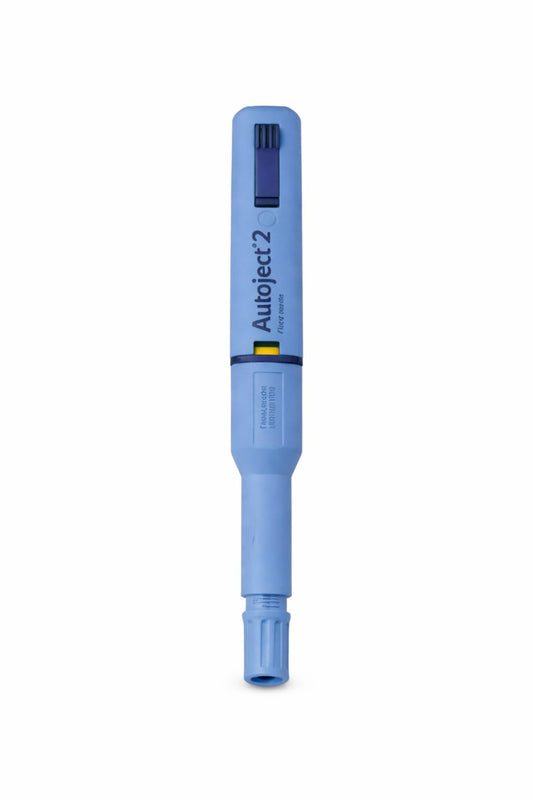
- Allergies: Epinephrine auto-injectors are single-use emergency devices-be prepared to seek emergency evacuation after administration.
Maintenance and care checklist
A tidy kit is an effective kit. A predictable maintenance routine reduces risk of expired or degraded supplies turning up when you need them most.
- Pre-trip audit: Check expiry dates, integrity of packaging, and adhesive tack. Replace compromised items.
- Post-incident restock: After any use, restock immediately from your home reserves so your next trip starts fully provisioned.
- Seasonal swap: Replace items sensitive to temperature (certain gels, medications) when seasons change. Rotate stock between home and field to keep everything within safe storage ranges.
- Drying and cleaning: Clean non-disposable tools with appropriate disinfectants and fully dry them before returning them to the kit to prevent corrosion and mould.
- Labeling: Use waterproof labels and a contents checklist affixed inside the lid so a quick visual confirms readiness.
Practical checklist and
Below is a practical vs checklist to help you weigh performance, weight, and durability when selecting components for an advanced kit.
| Item | Performance | Weight | Durability | Best for |
|---|---|---|---|---|
| SAM or foldable aluminium splint | High immobilization | Medium | High | Backpacking, technical trips |
| Cohesive wraps (self-adherent) | Secures dressings, adjustable compression | Low | Medium | All seasons, first aid modules |
| Trauma dressing (large) | High absorbency, rapid control | Medium | High (if kept dry) | Group kits, canoe routes |
| Emergency thermal blanket | Reduces radiant heat loss | Very low | Low (fragile) | All trips, hypothermia risk |
Organizing your kit for speed and reliability
Organization saves time. Partition by module and label each pouch with large, colour-coded tags: Red for trauma, Blue for wound care, Yellow for splints and immobilization, Green for medications. Keep a lightweight inventory card in the kit and stick to consistent positions for items so any trained person can locate them quickly.
For group trips, carry a primary kit that contains the advanced items and a compact personal kit for each person. This redundancy ensures small issues don’t escalate when you’re hours from a road.
Scenario-based kit configurations
Here are tailored configurations for common Canadian camping scenarios to highlight fit and feature choices.
Solo fastpacking or ultralight trip
Prioritize lightweight, multi-use items: a compact haemostatic dressing (if trained), small roll of cohesive wrap, aluminum splint segments, sterile wipes, antibiotic ointment packets, and personal prescription meds. Use a waterproof, lightweight pouch and keep adhesive items in an inner pocket close to the body.
Family car camping
Include child-friendly items (small bandages, sanitizer), redundancies in dressing sizes, and extra blister care. Consider bulk, cost-effective wraps and a larger trauma dressing. Distribute basic supplies across family members to avoid a single point of failure.
Remote canoe route or multi-day backcountry trip
Weight and redundancy both matter. Carry modular extras for haemorrhage control, an insulated pouch for temperature-sensitive meds, and insect mitigation gear. For clothing-level protection against ticks and mosquitoes, consider long pants treated to reduce insect contact such as:Insect Shield Women's Elements Lite Pant, Size 10 - Khaki.
Field skills that complement supplies
Tools are only as useful as the hands that use them. Training dramatically improves outcomes-consider a wilderness first aid course focused on prolonged care and remote evacuation practices. Practice common tasks like applying splints, creating secure dressings, splinting long-bone fractures, and rehearse communication and evacuation plans specific to your frequent camping areas.
To broaden your understanding of seasonal essentials and how a comprehensive first aid supplies collection fits into home and travel kits, read practical seasonal guidance here:First Aid Supplies Season Essentials.
If you’re newer to assembling kits but want a deeper primer on what to include for Canadian beginners, this resource provides an excellent baseline:First aid supplies collection for beginners: what to include and why it helps.
Product choices and real-world trade-offs
Every item involves a trade-off between weight, durability, and cost. For example, cohesive wrap is a low-weight, versatile solution for both securing dressings and providing mild compression-compare options and quantities before stocking your kit. For bulk wrap needs and long-term kits, consider higher-quantity rolls to simplify restocking:Zwealthygift 144 Rolls Black Self-Adherent Bandage Wrap 1-inch x 5-yard Bulkor a colourful finger-wrap pack likeBQTQ 168 Rolls Self-Adhesive Bandage Wrap - 1 Inch Colorful Self-Stick Cohesive Wrapsfor easy visual checks in group settings.
For hygiene and immediate infection control, compact hand sanitizers are useful for wound care in the field-compact, kid-friendly formats can be handy for family trips:Piuaeue 50 Pcs Purple Flower Mini Hand Sanitizer Favors - 1 oz.
Where to source supplies and how to evaluate vendors
Look for vendors that publish clear product specs, material details, and packaging descriptions. Verify return policies and ensure the seller supports replacements if items arrive damaged. For a curated selection of first aid items compatible with advanced kits, explore a focused collection here:first aid supplies collection. For alternatives and seasonal bundles, browse the same collection’s modular options:modular first aid supplies collectionandcompact trauma and wound care options.
When assessing product quality, check materials, certifications (e.g. CE where applicable), user reviews from outdoor-focused users, and supportive documentation from the manufacturer. For immediate access to a broad selection, use a reputable collection that groups items by use-case:explore the first aid supplies collection.
Care, storage, and long-term readiness
Store kits in cool, dry places when not on trips and rotate consumables into everyday use when safe to do so to reduce waste. Use waterproof containers and desiccant packs for humidity-prone storage. Keep an annual calendar reminder for full kit inspection before peak seasons.
Practical packing and load distribution
Place critical items where they can be accessed quickly by group leaders: trauma items in an outer pocket, splints accessible but secured, and medications near the top. Distribute redundancy: a small bandage kit in every pack prevents a simple blister becoming a trip-ending issue while central advanced tools remain with a primary leader or guide.
Frequently asked questions
How often should I replace items in my first aid kit?
Check expiry dates and packaging integrity before each season and replace per manufacturer recommendations. Perform a full inventory at least annually and after any incident.
Recommended products:Insect Shield Women's Elements Lite Pant, Size 10 - Khaki|Zwealthygift 144 Rolls Black Self-Adherent Bandage Wrap 1-inch x 5-yard Bulk
Can I rely on consumer-grade supplies for backcountry trauma?
High-quality consumer-grade items can be effective, but severe trauma requires rapid evacuation and trained responders. Train in haemorrhage control and consider haemostatic dressings and a rugged tourniquet if you frequently travel to remote areas.
What should I do to prevent insect-borne issues while camping?
Use treated clothing, host repellents, regular tick checks, and topical care kits for bites. For clothing that reduces insect contact, evaluate treated garments and pack long sleeves and pants for dusk and dawn activity.
Final checklist before you head out
- Inventory: Confirm core modules are complete-trauma, wound, immobilization, medications, hygiene, and tools.
- Training: Ensure at least one trained responder is on the trip and everyone knows the location of the primary kit.
- Adaptation: Adjust contents for season, insect risk, and group medical needs.
- Redundancy: Carry personal blisters and antiseptic kits in every pack and a central advanced kit for serious issues.
- Accessibility: Label and position critical items for quick access; keep a simple contents card inside the kit.
For a practical, curated range of items to build an advanced kit or to top up existing supplies, visit a focused collection that groups dressings, wraps, and trauma gear:shop the First Aid Supplies Collection,compare modular kit parts, orbrowse ready components. Each link connects to a curated selection to help you compose a kit that balances weight, performance, and seasonal needs.
By applying the principles in this guide-prioritizing quality, compatibility, safety, fit, features, and performance-you’ll build a first aid supplies collection that stands up to the demands of advanced Canadian camping. Practice regularly, update your kit, and keep learning from experienced instructors to maintain readiness in the field.