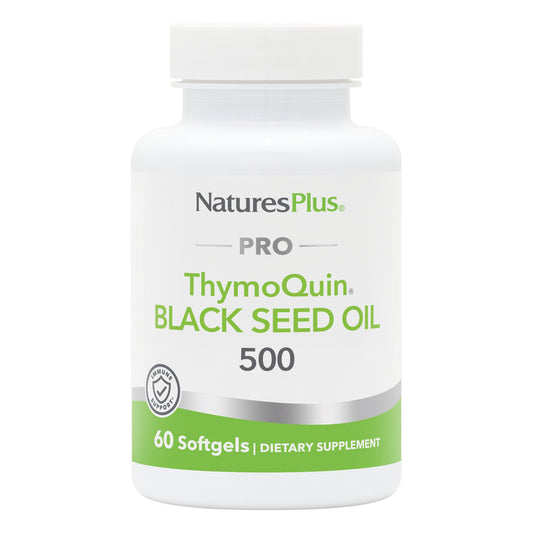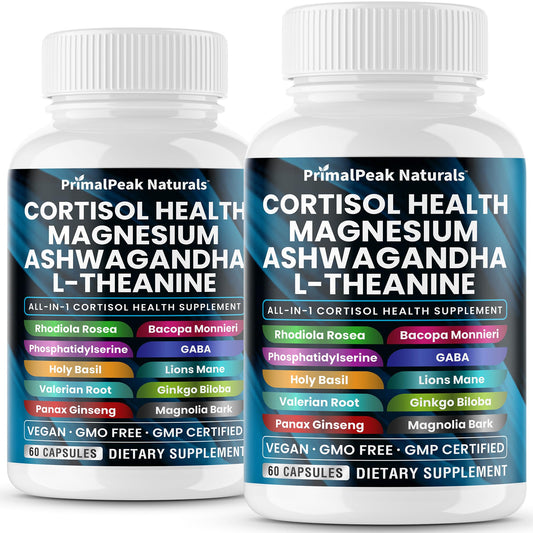






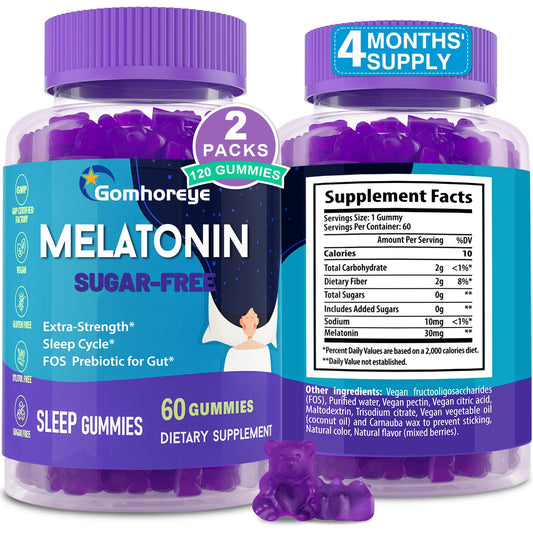




Herbal supplements portfolio on a budget for daily wellness benefits in 2026 (Canada picks)

Trying to put together aHerbal Supplements Portfolio on a budgetcan feel like choosing between “too much” and “not enough.” In Canada, shoppers also have to think about climate, seasonal routines, shipping times, and what realistically fits a daily habit. This post compares several budget-friendly ways to build aportfolioofherbalsupplementsfor everyday wellnessbenefitsin 2026-without making medical promises or pushing a one-size-fits-all stack.
Important note: herbal supplements can interact with medications and may not be right for pregnancy, breastfeeding, chronic conditions, or before surgery. If you’re unsure, check with a pharmacist or qualified healthcare professional-especially if you take blood thinners, antidepressants, thyroid meds, diabetes meds, or have allergies.
What a “portfolio” approach means (and why it can be more budget-friendly)
AHerbal Supplements Portfoliois simply a small, purposeful set of products you can rotate or combine to match your routine-rather than buying random single items when you’re already run-down. Budget-wise, the goal is to reduce “drawer clutter” and focus on a few core use cases:
- Daily foundational support:stress resilience, mood balance, sleep quality, energy support.
- Seasonal support:immune support in winter, allergy season comfort in spring.
- Occasional support:travel, busy weeks, recovery days.
In practice, most people do better with 2-4 products used consistently than 7-10 used sporadically. Consistency is also what helps you notice whether you’re getting thebenefitsyou care about: steadier routines, fewer “crash” days, and better adherence to sleep and hydration habits.
Canada picks: 4 budget-smart ways to build a Herbal Supplements Portfolio
Below are the most practical approaches we see shoppers use to stay on budget while still building a well-roundedsupplementsportfolio. Each approach includes pros, cons, and who it suits. For browsing options in one place, you can explore Ariavit’s collection here:Herbal Supplements Portfolio collection.
Approach 1: The “2-item daily core” (simplest, lowest waste)
Best for:beginners, minimalists, anyone who forgets multi-step routines.
How it works:Pick one daytime support and one nighttime support, then commit for 4-8 weeks while you track how you feel.
Common daytime options (examples):adaptogens like ashwagandha or rhodiola for stress support; ginseng for energy support; green tea extract for alertness (caffeine-sensitive people should be cautious).
Common nighttime options (examples):valerian, passionflower, lemon balm, or chamomile-style blends for wind-down; magnesium is also common (not an herb, but often paired).
Pros:
- Budget-friendly because you buy fewer items and actually finish them.
- Easier to identify what’s helping (fewer variables).
- Fits busy Canadian routines-workdays, commuting, shift work, parenting.
Cons:
- Less flexible for seasonal needs (winter immune support, spring allergies).
- You may need a separate “as-needed” option for travel or high-stress weeks.
Use-case guidance:If your main goal is daily wellnessbenefits-sleep quality plus steadier daytime energy-this is the cleanest start. Browse portfolio-friendly options here:everyday herbal portfolio picks.
Approach 2: The “seasonal rotation” (Canada-friendly, avoids overbuying)
Best for:people who feel changes across winter, spring, and back-to-school season.
How it works:Keep a small base, then rotate one seasonal product at a time. In Canada, that often means planning around winter wellness, dry indoor heat, and spring transitions.
Seasonal add-ins (examples):
- Winter:echinacea, elderberry, andrographis (often used for immune support routines).
- Spring:stinging nettle, quercetin (not an herb but commonly paired), butterbur (note: only PA-free extracts are recommended; consult a professional).
- Year-round digestive comfort:peppermint, ginger, fennel (useful when routines or meals change).
Pros:
- Budget stays predictable because you add only one seasonal item.
- Feels personalized without becoming expensive.
- Helps avoid “panic buys” when everyone around you is stocking up.
Cons:
- Requires a little planning (a calendar reminder helps).
- Harder to compare results if you rotate too frequently.
Use-case guidance:If you live in places like the GTA, Ottawa, Calgary, Edmonton, or coastal BC and notice strong seasonal swings, rotation keeps yourportfoliotargeted. See options in theCanadian herbal supplements portfolio lineup.
Approach 3: The “single-blend portfolio” (convenient, but compare labels)
Best for:people who want fewer bottles and a simpler routine.
How it works:Choose a multi-ingredient herbal blend designed around a theme (stress support, sleep support, immune support), then add only one complementary single herb if needed.
Pros:
- Fewer products to manage-great for travel, students, and busy households.
- Sometimes more cost-effective than buying each herb separately.
- Can support habit formation (one scoop/capsule routine).
Cons:
- Harder to pinpoint what’s working if it’s a complex blend.
- Some blends under-dose key ingredients; compare standardized extract info when available.
- Not ideal if you have sensitivities (more ingredients = more potential triggers).
Use-case guidance:If you want “one-and-done” convenience, pick a blend with clear dosing, transparent ingredient amounts, and sensible directions. You can compare blend-style options here:shop herbal portfolio blends.
Approach 4: The “targeted trio” (most balanced for daily wellness benefits)
Best for:people who want a well-rounded Herbal Supplements Portfolio without going overboard.
How it works:Build a 3-part stack aligned to day, night, and one targeted goal.
A common trio structure (examples):
- Daytime adaptogen:ashwagandha (often used for stress support) or rhodiola (often used for fatigue support).
- Nighttime wind-down herb:lemon balm, passionflower, or valerian (sleep support routines).
- Targeted support:turmeric/curcumin (inflammation support routines), milk thistle (liver support interest), or ginger/peppermint (digestive support).
Pros:
- Balanced coverage across common daily needs: stress, sleep, and one personal priority.
- Still budget-aware: three items are manageable and trackable.
- Easier to adjust one piece without rebuilding the whole portfolio.
Cons:
- More pills/scoops than a single-blend approach.
- Requires a bit of routine discipline to see consistent benefits.
Use-case guidance:This is often the sweet spot for Canadians building aHerbal Supplements Portfolio on a budgetfor day-to-day wellness benefits. To explore options by goal, start here:browse the herbal supplements portfolio collection.
How to compare herbal supplements like a smart budget shopper (2026 checklist)
When you compare approaches, it helps to compare products with the same calm, practical checklist. This keeps yoursupplementsspend aligned with results you can actually notice.
- Format:capsules vs tincture vs powder vs tea. Capsules are convenient; tinctures can be flexible; powders can be cost-efficient if you’ll use them daily.
- Standardized extracts:when applicable (for example, certain extracts list active compounds). Standardization can improve consistency, but it’s not required for every herb.
- Serving size reality:if the label says 3-6 capsules daily, ask if you’ll really do it.
- Third-party testing / quality signals:look for clear manufacturing standards, lot tracking, and transparent labels.
- Interactions and cautions:especially for St. John’s wort (many drug interactions), valerian (sedation), ginseng (stimulant-like effects for some), and turmeric (blood-thinning considerations).
- Allergens and additives:gelatin vs vegetarian capsules, sweeteners, flavours, and fillers-important for sensitivities.
- Your timeline:many herbal routines are judged best over weeks, not days. Budget for a realistic trial period.
If you want one place to compare portfolio-friendly options without bouncing between tabs, here’s the collection again:Herbal Supplements Portfolio options.
Pros and cons: portfolio approaches
Choosing aportfolioisn’t about finding “the best herb.” It’s about matching approach to lifestyle, season, and tolerance for routine. Here’s the quick consumer view:
- 2-item daily core:lowest waste, easiest to stick with; less seasonal flexibility.
- Seasonal rotation:Canada-smart; requires a bit of planning and tracking.
- Single-blend portfolio:simplest; harder to personalize or troubleshoot.
- Targeted trio:most balanced; slightly more effort day-to-day.
Who should choose what? Real-life scenarios
If you’re a student or working long shifts:consider a 2-item core (day + night) to avoid missed doses. Pairing an adaptogen with a wind-down herb is often easier than juggling multiple “sometimes” products.
If you’re a parent with unpredictable sleep:a single-blend portfolio can be the easiest. Look for clear directions and avoid complex stimulant-heavy formulas if you’re already wired and tired.
If you travel between provinces or work outdoors:seasonal rotation can help you stay consistent through weather changes and routine disruptions.
If you’re building a long-term wellness habit:the targeted trio is a practical balance-supporting stress resilience, sleep quality, and one goal such as digestion support or joint comfort.
FAQ
How long should I try a Herbal Supplements Portfolio before I change it?
For many everyday wellness goals, give a consistent routine about 4-8 weeks unless you notice side effects. Change one variable at a time (one product, one dose timing) so you can tell what’s driving the benefits.
Can I combine multiple herbs, or should I stick to one at a time?
Many people combine herbs, but a budget-friendly approach is to start with one core product (or a simple day/night pair), then add only if there’s a clear reason. If you take medications or have health conditions, confirm safety with a pharmacist due to potential interactions.
Final budgeting tip:the best Herbal Supplements Portfolio on a budget is the one you’ll actually use daily. Start small, track your routine, and expand only when your goals are clear. For Canada-focused browsing by goal and format, visit:Ariavit’s herbal supplements portfolio collection.