







Yeast Infection Treatment Essentials: what to keep and when to see a doctor

Itching, burning, and a change in discharge can be stressful-especially when symptoms show up right before a busy week. In Ontario, many people manage uncomplicated yeast infections with over-the-counter options, but it’s important to know what’s appropriate for self-treatment and what requires a clinician’s input. This guide explains what a yeast infection is, who this information is for, which Yeast Infection Treatment Essentials are worth keeping in your medicine cabinet, and when to see a doctor or nurse practitioner.
Important:This article is for general education and does not replace medical advice. If you’re unsure what’s causing your symptoms, it’s safer to get assessed-especially if this is your first episode or symptoms are severe.
What a yeast infection is (and what it isn’t)
A typical vaginal yeast infection (often called “vaginal thrush”) is most commonly caused by an overgrowth ofyeast, usuallyCandida albicans, in the vaginal area. Yeast normally lives on the skin and mucous membranes; symptoms happen when the balance shifts and yeast grows more than usual, leading toinfection-like irritation and inflammation.
Common symptoms can include:
- Vaginal and/or vulvar itching
- Burning, especially with urination (dysuria) or sex
- Redness, swelling, or soreness
- Thick, white discharge (often described as “cottage cheese-like”), usually without a strong odour
Several other conditions can feel similar, and treating the wrong cause can delay relief. Examples include:
- Bacterial vaginosis (BV):often a fishy odour and thin grey/white discharge
- Sexually transmitted infections (STIs):may cause pain, bleeding, discharge changes, sores, or pelvic pain
- Contact dermatitis/irritant reactions:from soaps, fragrances, pads, lubricants, or laundry products
- Skin conditions:such as eczema or lichen sclerosus
- Urinary tract infection (UTI):burning and frequency can overlap, but vaginal itching isn’t typical
If you’re not sure what’s going on, self-treating repeatedly “just in case” can mask symptoms and make it harder to identify the real cause.
Who this Ontario-focused guide is for
This overview is designed for adults in Ontario who want a practical, consumer-friendly understanding oftreatmentoptions andessentialsto keep at home for uncomplicated yeast infections. It may be particularly helpful if you:
- Have had a clinician-confirmed yeast infection before and recognize similar symptoms
- Want to be prepared for travel, weekends, or limited appointment availability
- Prefer clear guidance on what’s reasonable to try at home and when to escalate care
In Ontario, pharmacists can often help you choose an OTC antifungal product and advise when symptoms suggest you should see a clinician. For persistent, recurrent, or complicated symptoms, a doctor or nurse practitioner may recommend an exam and lab testing (for example, a vaginal swab) to confirm the cause.
Yeast Infection Treatment Essentials: what to keep in your medicine cabinet
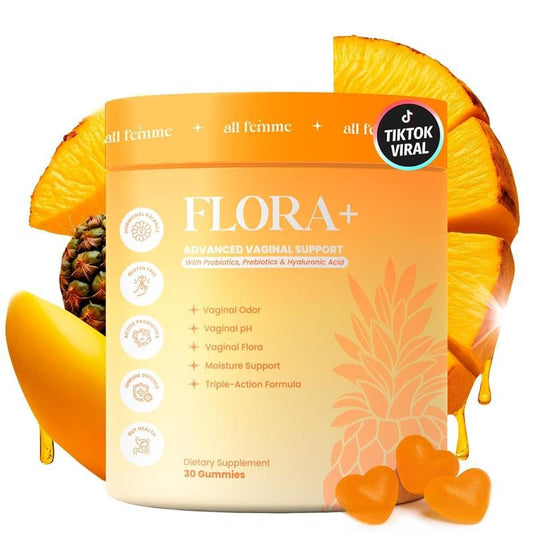
Think ofYeast Infection Treatment Essentialsas a small, practical kit: one evidence-based antifungal option, a few comfort-focused supports, and a plan for what to do if symptoms don’t improve. If you want to browse a curated set of options, you can explore Ariavit’s collection here:Yeast Infection Treatment Essentials.
1) An OTC antifungal (the core essential)
For many uncomplicated vaginal yeast infections, an OTC antifungal is the first-line at-home approach. Common product types include:
- Azole antifungals(for example, clotrimazole or miconazole): available as vaginal creams, suppositories, or oral capsules depending on the specific product
- Different course lengths: 1-day, 3-day, and 7-day regimens exist; longer courses can be helpful if symptoms are more intense or irritation is significant
Brand examples you may see in Ontario pharmaciesinclude Canesten (clotrimazole) and Monistat (miconazole). Availability can vary, and store brands may offer the same active ingredients.
How to choose:If you’re sensitive or very inflamed, a longer, lower-dose course may feel gentler than a short course. If you’re unsure, ask a pharmacist-especially if you’re pregnant, have diabetes, are immunocompromised, or take medications that could interact with certain treatments.
To review a range of options and related supports, seeOntario-friendly yeast infection essentials.
2) Symptom relief basics (comfort items that don’t complicate treatment)
Even when antifungals start working, the itching and burning can take a little time to settle. These comfort-focused essentials can help you get through the first 24-48 hours without making irritation worse:
- Fragrance-free, gentle cleanserfor the external vulvar area (avoid douching and avoid internal cleansing)
- Soft, breathable cotton underwearand loose-fitting clothing
- Unscented pads or panty linersif discharge increases during treatment (avoid fragranced products)
- Cool compressfor external itching (clean cloth, short intervals)
Many people also look for probiotics, boric acid, and “natural” remedies. These can be useful in specific situations, but they’re not one-size-fits-all-and some can be unsafe if used incorrectly. If you’re considering add-ons, use a reputable source and consider pharmacist guidance. You can find curated options and educational shopping cues here:Yeast Infection Treatment Essentials collection.
3) A plan for prevention and recurrence
It’s common to want to prevent the next flare. While everyone’s triggers differ, these habits can help reduce irritation and keep the vaginal microbiome steadier:
- Avoid scented soaps, bubble baths, and vaginal deodorants
- Change out of sweaty workout clothes promptly
- Use condoms if you notice symptoms tend to follow sex; choose lubricants without added fragrance or harsh preservatives if you’re sensitive
- If you’re prescribed antibiotics, watch for symptoms afterward-antibiotics can disrupt normal flora in some people
- Manage blood sugar if you have diabetes (high glucose can increase risk)
If you’re frequently reaching for OTC products, that’s a sign to check in with a clinician. Recurrent vulvovaginal candidiasis (often described as multiple episodes over a year) may need confirmation testing and a longer-term plan.
For a starting point on what people commonly keep on hand, browseyeast infection treatment essentials.
How to use OTC treatments safely (and how to know they’re working)
Using antifungal products correctly matters for comfort and effectiveness. While exact instructions differ by product, these principles are broadly helpful:
- Follow the full courseeven if you feel better early-stopping too soon can allow symptoms to return.
- Expect gradual improvement: itching and burning often ease within a few days, but full relief can take up to a week.
- Avoid douchingor “cleansing” the vagina internally; it can worsen irritation and disrupt normal balance.
- Be mindful of sex: intercourse may be uncomfortable during an active yeast infection. Some vaginal creams can also weaken latex condoms or diaphragms-check the product label.
If symptoms do not improve after completing an OTC course-or if they worsen-consider that the cause might not be yeast (for example BV, STI, dermatitis), or it may be a less common Candida species that requires a different approach.
When to see a doctor or nurse practitioner in Ontario
Self-treatment can be reasonable for a familiar, mild-to-moderate episode. But there are clear situations where it’s best to seek medical care promptly.
Seek medical assessment soon if:
- This is yourfirstsuspected yeast infection
- You’repregnant(treatment choices may differ)
- You havefever, pelvic pain, lower abdominal pain, nausea/vomiting, or feel unwell
- You noticesores, blisters, or significant swelling
- There isfoul-smellingdischarge, grey/green discharge, or significant bleeding
- You havediabetesthat isn’t well controlled, or you’reimmunocompromised
- Symptoms persist after OTC treatment, or you havefrequent recurrences
In Ontario, care options may include a family doctor, walk-in clinic, sexual health clinic, or a virtual care appointment when appropriate. A clinician may do an exam and/or testing to confirm whether yeast is present and rule out BV or STIs. This is especially important when symptoms keep returning or don’t match the typical pattern.
Common triggers and everyday scenarios (Ontario life edition)
Some patterns show up repeatedly in real life. Recognizing them can help you respond early and avoid unnecessary discomfort.
After antibiotics
Antibiotics can reduce protective bacteria in the vagina, sometimes allowing yeast to overgrow. If you notice itching and irritation soon after a course, it may be worth discussing preventive strategies with your clinician, especially if this happens repeatedly.
After swimming, hot yoga, or long commutes
Warm, moist environments can increase irritation. Changing out of wet swimsuits quickly and choosing breathable fabrics can help. This is particularly relevant during Ontario summers and cottage weekends.
During periods of high stress or poor sleep
Stress doesn’t “cause” yeast infections by itself, but it can affect immune function and habits (diet, sleep, hygiene routines). If you notice a pattern, focus on gentle basics and avoid over-correcting with harsh washes or repeated products.
Hormonal changes
Some people notice yeast infection symptoms around their period, during postpartum changes, or with hormonal contraception changes. If this is a recurring monthly pattern, a clinician can help confirm the diagnosis and discuss longer-term management.
What to avoid: myths and irritants that can make symptoms worse
When you’re uncomfortable, it’s tempting to try anything. A few common missteps can prolong irritation:
- Scented products(soaps, pads, sprays): often worsen vulvar irritation
- Douching: disrupts the natural vaginal environment
- “Detox” or abrasive cleanses: can cause contact dermatitis
- Using leftover prescriptionswithout guidance: symptoms may be a different condition this time
- Repeated short-course OTC treatmentsfor persistent symptoms: can delay the right diagnosis
If you’re building a sensible home toolkit, aim for a small set of well-chosen Yeast Infection Treatment Essentials rather than a crowded shelf of random remedies. For a curated starting place, visitAriavit’s Yeast Infection Treatment Essentials.
FAQ
How can I tell if it’s a yeast infection or bacterial vaginosis?
Yeast infections often cause intense itching and redness with thicker white discharge and little to no odour. BV is more often linked to a fishy odour and thin grey/white discharge. Because symptoms can overlap (and mixed infections can happen), testing is the most reliable way to know-especially if OTC antifungal treatment doesn’t help.
How long does a yeast infection take to clear with treatment?
Many people feel improvement within a few days, but full symptom relief can take up to a week depending on severity and the product used (for example, 1-day vs 7-day regimens). If you finish the course and symptoms persist or quickly return, get assessed to confirm the cause and rule out other conditions.
Can probiotics help with yeast infections?
Probiotics may support a healthy vaginal microbiome for some people, but they don’t reliably treat an active yeast infection on their own. They’re more commonly considered as part of a broader prevention plan, especially if you experience recurrent symptoms. If you’re unsure what’s appropriate for you, ask a pharmacist or clinician.
Putting it together: a simple cabinet checklist
If you want a practical, low-clutter approach, consider these basics:
- One OTC antifungal option you understand how to use
- Fragrance-free external wash and unscented menstrual products
- Breathable underwear and a plan to change out of damp clothing quickly
- A note to yourself on red flags and when to book care
When in doubt-especially with first-time symptoms, pregnancy, severe pain, fever, unusual discharge, or repeated episodes-getting assessed is the fastest path to the right treatment. If you’re looking to explore curated Yeast Infection Treatment Essentials in one place, you can start here:browse the Yeast Infection Treatment Essentials collection.