









Potassium mineral supplements to fix low potassium: affordable picks for Ontario seniors.

Introduction: an issue-first approach for Ontario seniors
If you or a loved one in Ontario has been told their blood tests show low potassium, this practical guide focuses on Potassium Mineral Supplements fixes and troubleshooting that matter for seniors. Low potassium - medically called hypokalemia - can cause muscle weakness, cramps, irregular heartbeat sensations, fatigue and lightheadedness. For older adults these symptoms are often more than irritating: they can affect mobility, medication plans and independence.
This article is written from a consumer-health editorial perspective to help Ontario seniors and caregivers understand: how potassium supplements work, common product forms, safety and compatibility with existing medications, and clear troubleshooting steps to choose an affordable, effective option. Always review supplement plans with a primary care provider or pharmacist, and refer to Health Canada guidance for licensed products and safety signals.
Spotting low potassium: symptoms, causes, and when to test
Symptoms of low potassium vary by severity. Mild depletion may cause subtle tiredness or muscle twitching; moderate to severe hypokalemia can bring cramps, constipation, palpitations, or dizziness. Seniors often experience overlapping symptoms due to other conditions, so a blood test is the only way to confirm deficiency.
Common causes in older adults include diuretic use (water pills), inadequate dietary intake, prolonged diarrhoea or vomiting, certain kidney conditions, and some blood pressure medications. Seasonal dehydration in hot months and increased sweating from activity can also contribute to potassium losses.
When to test: ask your clinician for a serum potassium test if you have persistent muscle weakness, new palpitations, lightheadedness, or if you start or change medications that affect electrolytes. If a test confirms low potassium, your care team will suggest dietary changes, monitor levels, and may recommend supplements when needed.
How potassium supplements work: forms, absorption, and supporting nutrients (material and technology science)
Potassium supplements deliver potassium ions to help restore electrolyte balance. Common salt forms include potassium chloride, potassium citrate, and potassium gluconate. Each form has slightly different properties: potassium citrate can be gentler on stomach acid and may help certain urinary concerns, while potassium chloride is frequently used for general replacement.
Absorption depends on formulation and accompanying ingredients. Liquid drops and effervescent powders can be absorbed faster than some tablets because they dissolve first; capsules and coated pills are convenient for dosing but may have slower release. Formulations that combine magnesium, vitamin D3 or zinc can reflect a multi-nutrient strategy because magnesium affects potassium balance and vitamin D helps overall electrolyte handling. For example, some drop formulas combine magnesium and potassium to support absorption and reduce muscle cramping.
Performance factors to watch: dosage per serving, whether the product provides elemental potassium or a salt-equivalent, the presence of other electrolytes (magnesium, sodium), and whether the product is designed for daily maintenance or higher short-term replacement under medical supervision.
Affordable formats and examples: practical options for seniors
Seniors often prefer formats that match swallowing ability, taste preferences, and daily routines. Here are common forms and why they may suit different needs:
- Liquid drops: easy for people with swallowing difficulty; can be mixed into water or juice; flexible dosing.
- Capsules/tablets: portable and familiar; good for those who take multiple pills and prefer a straightforward routine.
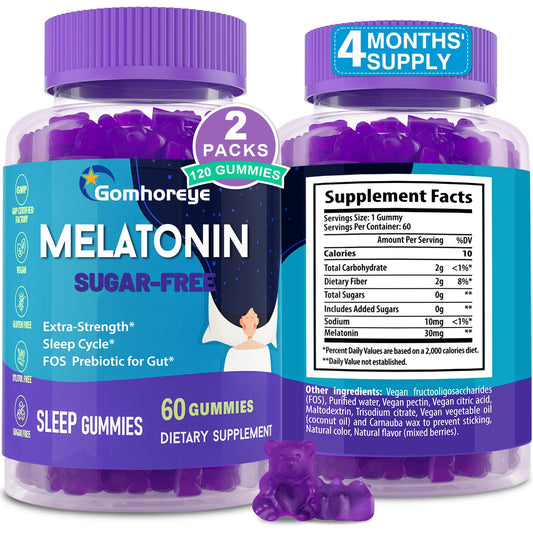
- Gummies: taste-friendly and easy to take, but check sugar content and interaction with diabetes; sugar-free vegan options exist.
- Granules/powders: dissolve in liquid and can be measured for dosing; some are formulated for pets - do not substitute pet products for human use.
Examples found in retail collections illustrate these formats. A high-absorption liquid option that pairs potassium with magnesium, vitamin D3 and zinc can be convenient for seniors who prefer drops over pills: try thisAlliwise 2 Pack Potassium Magnesium Dropsfor ease of dosing and combined nutrients. For those who prefer capsules, a longer-supply capsule product offers a conventional option: consider theVITAJAX Potassium Magnesium 1000mg - 90 Capsules. If gummies are a better fit for taste or swallowing, a sugar-free vegan gummy is another user-friendly format: see theGGMMUU 2 Pack Potassium Citrate Gummies.
Important product note: some potassium products on the market are designed for pets. Do not substitute pet formulations for human use. An example of a pet-targeted potassium granule product isPala-Tech Potassium Citrate + Cranberry Granules for Dogs- useful for veterinary care but not appropriate for seniors.
To explore a curated range of different potassium product types and compare features like form, dosing and added nutrients, browse the full potassium mineral supplements collection at Ariavit:potassium mineral supplements collection. You can alsobrowse potassium optionsfor capsules, drops and gummies that suit swallowing ability and taste preferences.
Picking quality: what to check on the label and why quality matters
Not all products are created equal. For seniors, quality signals reduce risk and support predictable performance. Check labels and product pages for:
- Exact potassium amount per serving (elemental potassium or salt form noted).
- Other active minerals (magnesium, sodium) and their amounts - these affect compatibility and absorption.
- Third-party testing or good manufacturing practice (GMP) statements.
- Allergen declarations (gluten-free, soy-free) and suitability claims (vegan, sugar-free) if relevant.
- Expiration date and storage instructions.
Recommended products:Alliwise 2 Pack Potassium Magnesium Drops - High-Absorption Calm Magnesium & Potassium Formula, Vitamin D3, Zinc | 4 fl oz|VITAJAX Potassium Magnesium 1000mg - 90 Capsules | Heart & Muscle Support | Gluten Free, Non-GMO | 3-Month Supply
When comparing options, prioritize transparent labelling. If a product’s label is vague about potassium content or uses unfamiliar proprietary blends without breakdowns, that increases uncertainty. For many seniors a straightforward capsule or drop with clear potassium amounts and minimal additives is easiest to manage.
For vs browsing and quick compatibility checks, use an online collection to view product factsheets:see potassium mineral supplements collectionand filter by format or added nutrients like magnesium.
Compatibility and medication interactions: safety first
Compatibility with prescription medications is the top safety concern for seniors. Several common drug classes affect potassium levels or interact with potassium supplements:
- ACE inhibitors and angiotensin receptor blockers (ARBs) can raise potassium when combined with supplements.
- Potassium-sparing diuretics (e.g., spironolactone) increase the risk of high potassium if supplements are taken without monitoring.
- NSAIDs and certain beta blockers can alter renal handling of potassium.
Kidney function is central: reduced renal function makes it harder to excrete excess potassium. If you have chronic kidney disease, carefully coordinate any supplement use with your nephrologist. Your pharmacist can run a quick interaction check and advise on timing and monitoring.
For practical guidance on timing, dosage and food pairing that reduce risk, see the safety-focused tips in this related resource:How do I take potassium mineral supplements safely. For budget-conscious shoppers weighing formats and monthly routines, this collection overview can help:Budget potassium mineral supplements in Canada.
Dosage troubleshooting and monitoring plans
Dosage depends on the degree of deficiency, the chosen supplement form and whether you’re under medical supervision. Typical clinical protocols for correcting moderate hypokalemia are supervised and tailored; do not self-prescribe high-dose potassium. For chronic, mild low potassium, clinicians often recommend lower-dose daily supplements plus dietary changes.
Monitoring checklist:
- Baseline serum potassium before starting supplementation.
- Repeat tests after a few days to a week if correcting moderate deficits, or as advised by the clinician.
- Watch for symptoms of both low and high potassium: new weakness, tingling, nausea, palpitations or sudden fatigue should prompt immediate contact with your health team.
Because older adults often take other medications, aim for conservative dosing and frequent monitoring. If a product combines magnesium and potassium, this can sometimes reduce cramping while supporting correction, but confirm combined dosing safely with a pharmacist.
Seasonal and lifestyle impacts: why timing and climate matter
Climate and daily routine change potassium needs. Hot Ontario summers increase sweat losses, especially with outdoor activity, which can lower potassium. Winter illnesses like gastroenteritis or seasonal flu that cause vomiting or diarrhoea can rapidly reduce potassium stores.
Tips by season:
- Summer: increase fluids and potassium-rich foods (bananas, potatoes, spinach) alongside supplements if recommended; consider a balanced electrolyte product if you’re active outdoors.
- Fall/winter: monitor during cold-season illnesses - dehydration and GI losses can compound medication effects leading to sudden drops.
Travel and routine changes also matter: packing a small bottle of drops or a blister pack of capsules helps maintain consistent dosing. For delivery and refill planning, the online potassium mineral supplements collection can help you compare refill sizes and formats:browse potassium options.
Maintenance and care checklist for supplements
Good maintenance reduces waste and maintains potency. Use this checklist:
- Store in a cool, dry place away from direct sunlight.
- Follow manufacturer mixing instructions for drops or powders; measure carefully with supplied droppers or scoops.
- Check expiry dates and discard expired products.
- Keep supplements in original packaging to preserve label information for dosing and caution notes.
- Keep a simple log of doses and any symptoms to share with clinicians at follow-up visits.
Practical vs checklist: what matters for performance and fit
When comparing two or more products, use a short checklist to assess fit for a senior’s lifestyle:
- Form factor: drops, capsules, gummies - which is easiest to take consistently?
- Potassium per serving: does it match the prescribed amount?
- Added ingredients: magnesium, D3, zinc - helpful or unnecessary?
- Sweeteners and allergens: sugar-free, vegan, gluten-free preferences.
- Packaging and dosing clarity: does it include a clear dropper or scoop?
Recommended products:Pala-Tech Potassium Citrate + Cranberry Granules for Dogs 1800 g | Urinary Health & Bladder Support|GGMMUU 2 Pack Potassium Citrate Gummies - 1200mg Sugar-Free Vegan Pineapple
For vs browsing of options that meet these criteria, visit the Ariavit potassium collection and filter by format to match personal fit:potassium supplement selection.
Performance scenarios: matching product features to common senior needs
Match format to scenario:
- Difficulty swallowing pills: choose liquid drops or gummies (watch sugar content) like theAlliwise drops.
- Multiple daily medications: capsules with clear dosing schedules such asVITAJAX capsulescan simplify counting.
- Pill fatigue or taste preference: sugar-free vegan gummies likeGGMMUU gummiesmay improve adherence.
- Household with pets: keep human and pet products separate; pet potassium granules such asPala-Tech for dogsare not a substitute for human supplements.
Budget-minded strategies for Ontario seniors
Being cost-conscious is practical, but don’t trade safety for price. Budget strategies include choosing multi-month capsule packs for lower per-day handling, selecting sugar-free gummies to avoid hidden dietary costs from added sugars, or using drops that allow fine adjustments to dose without buying multiple bottle sizes.
To compare price versus value, look at cost per effective serving, the presence of additional useful nutrients (like magnesium), and shipping or subscription conveniences. For a focused overview of budget-minded options and how to evaluate them for daily use in Canada, read this guide:Budget potassium mineral supplements in Canada.
Safety warnings and usage limits
Safety rules for seniors:
- Never take high-dose potassium pills without medical supervision. Rapid correction of potassium levels can be harmful.
- If you take ACE inhibitors, ARBs, potassium-sparing diuretics, or have kidney disease, consult your clinician before starting supplements.
- Avoid substituting veterinary products for human supplements.
- Be cautious with chewable or gummy forms if you have issues with dental health or diabetes - pick sugar-free alternatives if advised.
If you experience new heart palpitations, severe weakness or sudden breathing difficulties after starting a supplement, seek urgent medical assessment. For routine safety, involve your family doctor and local pharmacist in a review before ongoing use.
Practical troubleshooting: a step-by-step plan for low potassium
Use this issue-first troubleshooting flow when low potassium is suspected or confirmed:
- Check for symptoms (cramps, weakness, palpitations) and recent causes (diarrhoea, medication changes).
- See your clinician for serum potassium testing to confirm the deficit.
- Review medications with your pharmacist for interactions that may affect potassium.
- Assess dietary intake and add potassium-rich foods if appropriate.
- If supplements are recommended, choose a product form that fits swallowing ability and medication schedule; consider combined magnesium formulations if cramping is an issue.
- Start with conservative dosing and arrange follow-up lab monitoring as advised.
- Track symptoms and dosing in a simple log and involve caregivers for adherence support.
Where to learn more and trusted sources
For guidance on safe supplement use and dosing considerations, consult Health Canada resources and speak with a licensed pharmacist. For practical taking and timing tips tailored to supplement forms and food pairing, review the user-friendly safety guide here:How do I take potassium mineral supplements safely. To see a curated set of potassium products and compare features like form, additional minerals, and label details, visit the Ariavit potassium collection:potassium mineral supplements collection.
How quickly will potassium supplements raise blood potassium?
Response time depends on deficiency severity and the form used. Mild low potassium corrected with dietary changes and low-dose supplements may take days to weeks. Moderate deficiencies managed under medical supervision can improve in days with monitored replacement. Your clinician will set the monitoring cadence based on your health status and other medications.
Can I take potassium with my blood pressure medication?
Some blood pressure meds can increase potassium levels when combined with supplements (ACE inhibitors, ARBs, potassium-sparing diuretics). Discuss any supplement plan with your prescribing clinician or pharmacist to check interactions and arrange bloodwork monitoring.
Are potassium gummies safe for seniors with diabetes?
Gummies can contain sugar; choose sugar-free options if you have diabetes. Check carbohydrate impact and confirm with your diabetes care team. Sugar-free vegan gummies exist and may be preferable for blood sugar control.
Closing: balancing efficacy, safety and fit
For Ontario seniors managing low potassium, the best approach combines reliable testing, medication review, and a supplement format that matches swallowing ability, taste, and daily routines. Prioritize clear label information, conservative dosing, and coordination with your healthcare team. Use the Ariavit potassium mineral supplements collection to compare capsules, drops and gummy options by features and dosing:browse potassium options- and always check with your clinician before starting or changing supplements.
As a consumer-focused health editor serving Ontario readers, I recommend starting with a clear plan: confirm your need with testing, review medications with a pharmacist, and choose a supplement form you’ll take consistently. If you prefer guidance on budget picks and practical daily use, see the budget overview and safety tips linked above to help you decide responsibly.
Related terms covered in this guide include: benefits.