









Best sleep supplements to fix night awakenings and grogginess for Ontario shift workers.

Shift work can push human sleep systems out of sync. Night awakenings, fragmented sleep, and persistent morning grogginess are common among nurses, first responders, factory and warehouse teams, and anyone who works rotating or permanent night schedules. This long-form, issue-first troubleshooting guide focuses on Sleep Supplements fixes and troubleshooting for Ontario shift workers: what works, why some ingredients help, safety and compatibility concerns, seasonal impacts, and practical steps to test and maintain supplement routines.
Start with the problem: symptoms, causes, and short-term fixes
Symptoms Ontario night-shift workers report most often:
- Waking up multiple times during a daytime sleep window.
- Difficulty falling asleep at a stable time after a night shift.
- Waking too early and feeling unrefreshed or groggy for hours.
- Feeling dependent on caffeine to get through shifts but still underperforming.
Typical causes include circadian misalignment, exposure to daytime light, sleep environment disruption, stimulant use near sleep, inconsistent timing of sleep, and underlying medical issues like sleep apnea or mood disorders. Supplements can help with symptoms, but troubleshooting means testing one change at a time and prioritizing safety and fit.
What this guide covers and how to use it
This article is organized as practical troubleshooting modules. Read top-to-bottom if you want a complete plan, or jump to the relevant section-ingredients and how they work, seasonal considerations for Ontario, safety and compatibility, a checklist to track effects, and a vs table to pick an option. Wherever products are linked, they are examples to consider; consult your healthcare provider before trying a new combination, especially if you’re taking prescription medication.
Sleep Supplements fixes and troubleshooting: how to approach testing a supplement
Stepwise testing reduces confusion and identifies whether a supplement genuinely improves sleep continuity and next-day alertness.
- Baseline: Track sleep for 1-2 weeks without new supplements using a sleep diary or an app. Note total time in bed, sleep latency, awakenings, and morning grogginess.
- Choose one product/ingredient to test. Start with a conservative dose, ideally at the low end of label guidance.
- Maintain consistent sleep timing and environment across the trial. Small changes in light exposure or caffeine can confound results.
- Trial length: allow 1-3 weeks for adaptation for most supplements, except melatonin which typically shows faster effects within a few nights.
- Record outcomes: nights with fewer awakenings, shorter time awake, and perceived morning alertness. Also log side effects like lingering sedation or vivid dreams.
Recommended products:JUST INGREDIENTS Strawberry Limeade Nighttime Sleep Support Powder - 5.4 oz|Blue Bear Melatonin Sleep Drink - White Peach Tea with 5 mg Melatonin, Zero Sugar, Caffeine-Free (12-Pack)
How sleep supplements work: material and mechanism science
Understanding mechanisms helps pick supplements based on the problem you’re troubleshooting.
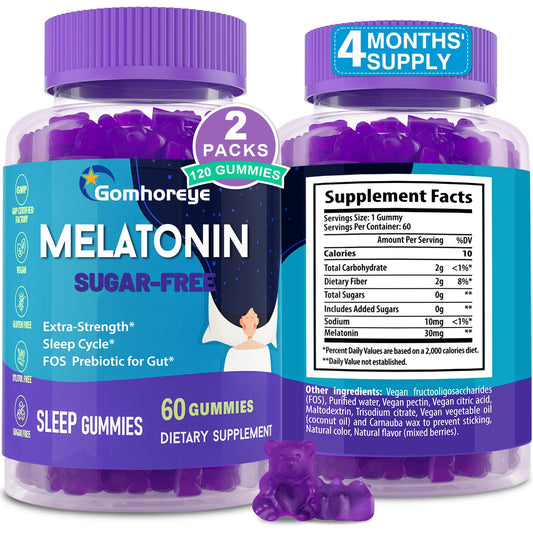
- Melatonin: a night-time signaler for circadian timing. Low doses (~0.5-3 mg) can shift the sleep window and reduce sleep onset latency. For shift workers, melatonin timing matters-taken at the intended sleep time to reinforce that window.
- GABA and L-theanine: promote relaxation and reduce physiological arousal. These can lower sleep latency and reduce nighttime restlessness without strong next-day sedation in many people.
- Herbal sedatives (valerian, kava): have calming effects through GABAergic modulation or other central nervous system pathways. They may help with fragmented sleep for some users but can have variable results.
- Magnesium: involved in neuronal regulation and muscle relaxation. Magnesium glycinate is often better tolerated for sleep than other forms that may act as laxatives.
- Complex formulas (powders, blends): combine small amounts of melatonin, magnesium, herbs, and amino acids to address multiple causes of sleep disruption-the key is dose balance and quality control.
These mechanisms explain why different ingredients may be more effective for specific problems. For early awakenings and grogginess, look for ingredients that support sleep continuity and alertness regulation rather than high-dose sedatives that can carry over into the morning.
Common product formats and practical fit for shift workers
Product format affects convenience and how you use a supplement on a shift schedule:
- Tablets and capsules: easy to dose and store in a first-aid kit or locker. Example:Avinol PM Extra Strength - Natural Sleep Supplement (30ct)is a one-tablet option geared to simple dosing.
- Powders: mixed in water and often formulated as multi-ingredient night support. Powders likeJUST INGREDIENTS Strawberry Limeade Nighttime Sleep Support Powder - 5.4 ozlet you control hydration as part of bedtime routine.
- Single-serve packets: convenient for travel or shift changes; some herbal blends come in packets for easy mixing. Example:TAHIRO Sleep Well Supplement - Natural Kava & Valerian Sleep Support, Vegan, Non-GMO, 28 Packets.
- Ready-to-drink: beverages with melatonin for portability and fast use after a shift. SeeBlue Bear Melatonin Sleep Drink - White Peach Tea with 5 mg Melatonin, Zero Sugaras an example.
Performance features to evaluate: benefits, quality, compatibility, safety
When evaluating a sleep supplement, weigh the following features:
- Ingredient transparency and standardized extracts-look for clear labels and third-party testing.
- Dosage clarity-how much melatonin, magnesium, or herbal extract per serving?
- Compatibility with medications and conditions-some herbs and melatonin can interact with antidepressants, blood thinners, or sedatives.
- Onset and duration-faster onset is useful after a night shift; shorter duration reduces morning grogginess risk.
- Formulation quality (fillers, allergens)-choose hypoallergenic or vegan options if needed.
Practical vs checklist (quick reference)
| Symptom | Most helpful ingredient/feature | Format to consider | Notes |
|---|---|---|---|
| Difficulty falling asleep | Low-dose melatonin, L-theanine | Drink, tablet, powder | Time melatonin to intended sleep period; start low. |
| Frequent nighttime awakenings | Magnesium glycinate, valerian | Capsule, powder | Address noise, light, and sleep apnea risk too. |
| Early-morning grogginess | Short-acting melatonin or non-habit sedatives | Low-dose tablet, shorter-duration drink | Avoid long-acting sedatives that persist into morning. |
| Interrupted daytime sleep after night shift | Combination formulas with calming blends | Powder or packet for pre-sleep routine | Keep trial periods stable and control light exposure. |
Seasonal and climate impacts on sleep in Ontario
Ontario’s climate and seasonal light patterns affect sleep performance and supplement choices:
- Winter: longer nights and reduced daylight can shift circadian rhythms; some shift workers experience increased sleepiness in winter months. Melatonin timing and light exposure strategies (bright light during your awake period) can help stabilize rhythms.
- Summer: extra daylight can make daytime sleep harder-blackout curtains and blue-light blockers matter more, and shorter melatonin dosing windows are useful.
- Humidity and temperature: the thermoregulation effect on sleep means your bedroom climate control and bedding are part of the intervention. Supplements won’t fully offset an environment that’s too warm or noisy.
Consider switching your supplement trials between seasons if symptoms change with daylight and temperature; what helps in January may need adjustment in July.
Safety warnings, interactions, and usage limits
Basic safety rules:
- Consult your primary care provider or pharmacist if you are pregnant, breastfeeding, taking prescription medications (especially antidepressants, benzodiazepines, anticoagulants, or hormonal therapies), or have liver disease.
- Avoid alcohol with sedative herbs and melatonin, as alcohol can change metabolism and increase next-day impairment.
- Start with the lowest effective dose. For melatonin, many experts recommend 0.25-3 mg for circadian use; 5 mg or more can be sedating for some people and may increase grogginess.
- Do not drive or operate heavy machinery after using a new sleep supplement until you know how it affects you.
- Check for product-specific allergy or intolerance statements. If you have known allergies to ingredients like gluten, soy, or certain botanical families, verify the label.
For authoritative guidance, consult Health Canada resources and your healthcare provider before starting a supplement routine. As a consumer-focused content editor, I recommend evidence-informed caution: supplements can help, but they are not a substitute for medical evaluation when symptoms are severe or worsening.
How to spot and troubleshoot side effects
Common side effects and what to do:
- Morning grogginess: reduce dose or switch to a shorter-acting formula.
- Vivid dreams: lower melatonin dose or change timing.
- Digestive upset with powders: try a different form or take with a small snack earlier.
- Persistent daytime impairment: stop the supplement and consult a professional.
Maintenance and care checklist for supplements
- Store in a cool, dry place away from direct sunlight; follow label storage instructions-some powders perform better if kept sealed and dry.
- Check expiration dates. Avoid using products past expiry, especially botanical mixes where potency can decline.
- Travel packing: keep single-serve packets or tablets in original packaging for dosing clarity during shift rotations.
- Rotate or pause: if you use daily, try planned breaks every few months to reassess ongoing need and efficacy.
Practical examples and product formats (how real workers use them)
Case examples to illustrate troubleshooting:
- Case A - Rotating shift nurse with sleep-onset trouble: tried low-dose melatonin in a ready-to-drink format after long shifts and combined it with strict blackout curtains and a 20-30 minute pre-sleep wind-down. Example product format:Blue Bear Melatonin Sleep Drink.
- Case B - Night factory worker waking repeatedly during daytime sleep: addressed environment first (earplugs, cooling fan) and added magnesium plus valerian in packet form as part of a bedtime mix:TAHIRO Sleep Well Supplement - Natural Kava & Valerian.
- Case C - On-call paramedic with inconsistent sleep windows: preferred single-tablet convenience to avoid measuring powder during brief naps. Example:Avinol PM Extra Strength.
- Case D - Warehouse worker prioritizing a relaxed pre-sleep routine and hydration: used a flavored nighttime powder for ritual and palatability:JUST INGREDIENTS Strawberry Limeade Nighttime Sleep Support Powder.
Where to explore options and curated selections
If you’d like to browse starter options and compare formats, the Ariavit sleep supplements collection includes a range of tablets, powders, packets, and drinks designed for different needs. Check the curatedsleep supplements collectionto see ingredient lists and formats. If you prefer quick navigation, use the collection landing to choose by symptom, like difficulty falling asleep or frequent awakenings:shop sleep supplements. For a product-focused look at trial-friendly options, the collection page helps prioritize third-party tested items:sleep supplements collection for Ontario.
Need something portable or single-serve? Use the collection filters to find packets and drinks for on-the-go dosing:portable sleep supplements. If convenience on shift is critical, the one-tablet and ready-to-drink formats are shown together in the same collection:easy sleep supplement options.
Evidence-informed layering: combining supplements with sleep hygiene
Supplements work best when paired with behaviours that support circadian stability and sleep depth:
- Control light exposure: use bright light during your awake period and blackout curtains for daytime sleep.
- Limit caffeine intake at least 6-8 hours before your main sleep window; for sensitive individuals extend to 10-12 hours.
- Develop a 20-45 minute wind-down routine that signals sleep time to your brain-low-stimulation activities, warm shower, or light stretching.
- Keep consistent sleep timing where possible, even on days off; large swings in timing are a major driver of fragmentation.
Resources for safe use and deeper reading
For practical dosing and timing tips, the Ariavit blog post on safe supplement use provides clear, consumer-focused guidance on timing, dosage, and stacking strategies-helpful when you start a trial:How do I use sleep supplements safely (timing, dosage, and stacking)?. If budget is a top concern, Ariavit also covers economical options for sleep supplements during Canadian winter months:Sleep supplements on a budget for better sleep quality winter nights?.
Checklist to track during a supplement trial
Use this simple tracking checklist for each night of a 2-3 week trial:
- Date and shift type (night/late/rotating).
- Supplement used, dose, and timing relative to intended sleep window.
- Environmental notes (blackout curtains, noise, temperature).
- Sleep latency (minutes), number of awakenings, total daytime sleep time.
- Next-day grogginess rating (0-10) and any side effects.
When to stop a trial and seek medical evaluation
Stop the supplement and seek professional help if you experience:
- Persistent daytime impairment or falls asleep unexpectedly at dangerous times.
- New or worsening mood changes, suicidal thoughts, or severe anxiety.
- Signs of an underlying sleep disorder: loud snoring with choking or gasping, very loud breathing pauses, or severe daytime somnolence despite interventions.
Practical recommendations by symptom (quick troubleshooting flow)
- Symptom: Trouble initiating sleep after night shift. Recommendation: try low-dose melatonin or a short-acting formulation; pair with blackout curtains and wind-down routine. Consider a ready-to-drink melatonin beverage for quick use after shift, such as the linked drink above.
- Symptom: Multiple awakenings during daytime sleep. Recommendation: focus on environment (noise, temperature), trial magnesium or herbal blends for continuity, and test over 2-3 weeks with logging.
- Symptom: Waking early and groggy. Recommendation: reduce dose or use a shorter-duration sedative; ensure no alcohol or long-acting prescriptions causing carryover.
- Symptom: Irregular sleep windows due to rotating shifts. Recommendation: pick one goal window and anchor it with consistent light exposure, short-acting supplements, and strategic naps.
Recommended products:TAHIRO Sleep Well Supplement - Natural Kava & Valerian Sleep Support, Vegan, Non-GMO, 28 Packets|Avinol PM Extra Strength - Natural Sleep Supplement (30ct) | One-Tablet Convenience for Restful Nights
How long before I know if a supplement is working?
Most people see changes in sleep onset within days for melatonin and within one to three weeks for herbs and minerals. Use a 2-3 week trial and the checklist above to determine consistent benefit.
Can I combine supplements safely?
Combining supplements can be effective but increases interaction risk. Start one at a time. If combining melatonin with herbal sedatives or magnesium, use lower doses and confirm compatibility with a pharmacist or physician.
Are supplements a long-term solution for shift work sleep problems?
Supplements can be part of a long-term strategy, but ongoing benefits are best supported by consistent sleep timing, light management, and addressing medical causes if present. Periodic reassessment and planned breaks from nightly use are prudent.
Closing troubleshooting notes and next steps
For Ontario shift workers, the most effective plan is methodical testing: pick a specific symptom to target, select a format and ingredient matched to that symptom, run a documented trial while stabilizing your environment, and prioritize safety. If you want to explore formats and ingredient labels vs, browse the curated selection at the Ariavit sleep supplements collection to compare powders, tablets, packets, and drinks:sleep supplements collection. If convenience is top priority, check single-tablet options in the collection and pair them with your sleep hygiene routine:convenient sleep supplements.
Finally, if you’d like ready-to-try examples mentioned in this guide, review single-tablet convenience, packets, flavored powders, and ready-to-drink melatonin options to see what matches your schedule and habits. Browse the collection for formats designed for shift-work lifestyles:find sleep supplements for shift workers.
As a consumer-focused content editor who references Health Canada guidance and peer-reviewed sleep research in summarizing mechanisms and safety, I encourage cautious, stepwise trials and consultation with your health provider when changing medication or treating severe sleep disruption. Thoughtful supplement use-paired with environmental control and consistent timing-can reduce awakenings and lessen morning grogginess for many Ontario shift workers.