
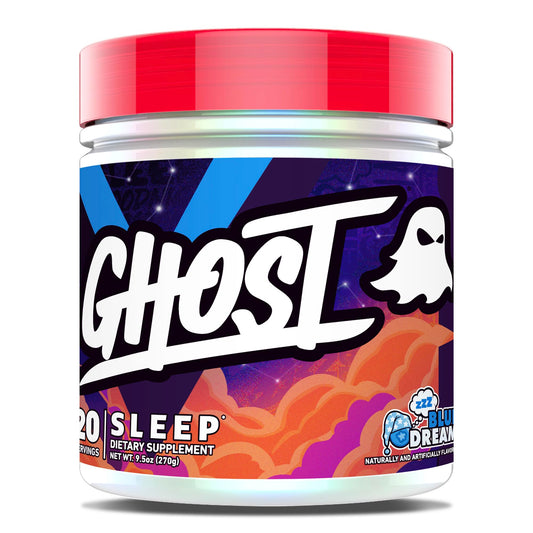








Why sleep supplements are popular this season for better sleep quality ?

Across Canada, it’s common to feel your sleep change with the calendar. Shorter daylight hours, later sunrises, earlier sunsets, travel for holidays, busier social schedules, and shifts in indoor temperature and humidity can all influence sleep timing and how restorative your nights feel. That’s one reasonSleep Supplements for this seasonoften trend: people are looking for extra support when their routines and circadian rhythms are under more strain.
Sleep supplements aren’t “sleep in a bottle,” and the evidence varies by ingredient. The strongest support typically relates to how certain nutrients or botanicals can influencesleep onset(how quickly you fall asleep),sleep continuity(how often you wake), andsleep quality(how refreshed you feel). This article summarizes what research suggests, how common ingredients may work, and how to choose and use supplements with realistic expectations and good safety habits.
If you’re exploring options, you can browse curated options in Ariavit’s sleep category here:sleep supplements collection.
Why sleep feels harder “this season” in Canada
Seasonality affects sleep through several overlapping mechanisms. You don’t need a diagnosed sleep disorder to notice that certain months make it harder to wind down or wake up feeling rested.
Light exposure and circadian rhythm.Your circadian rhythm is the internal timing system that helps regulate sleep and wakefulness. Light-especially bright morning light-helps set that clock. When daylight changes quickly (and for many Canadians, it can feel dramatic), sleep timing can drift. Less morning light and more evening indoor light can push bedtimes later while still requiring early wake times for work, school, or family responsibilities.
Stress, schedule, and social timing.Many people experience higher cognitive load during transitional seasons-new school terms, project deadlines, travel, or holiday planning. Stress and rumination are common drivers of insomnia symptoms. Even positive events can disrupt bedtime consistency and reduce total sleep time.
Indoor climate and nighttime comfort.Heating and cooling cycles change humidity levels, which can affect nasal comfort, snoring, and nighttime awakenings. Temperature is a powerful sleep signal: people generally sleep better in a slightly cooler environment. Seasonal shifts can make it harder to keep bedroom conditions stable.
Movement and lifestyle shifts.In parts of Canada, colder or wetter weather can reduce outdoor activity. Lower daytime activity can reduce sleep pressure (the biological drive that builds the longer you’re awake), which may make sleep onset slower.
These factors help explain the surge in interest insleepsupport andsupplementsduring seasonal transitions. For many consumers, the goal is improvedqualityof rest-fewer awakenings, easier sleep onset, and better morning energy-rather than sedation.
For ingredient formats and blends, you can also explore Ariavit’sSleep Supplementscategory.
What the science says: evidence-backed ingredients and mechanisms
Below is a science-focused overview of common sleep supplement ingredients, how they may work, and what research generally supports. Evidence quality ranges from stronger (e.g., melatonin for circadian timing) to more mixed (some botanicals). Individual responses also vary based on age, baseline sleep habits, stress, caffeine intake, and medical conditions.
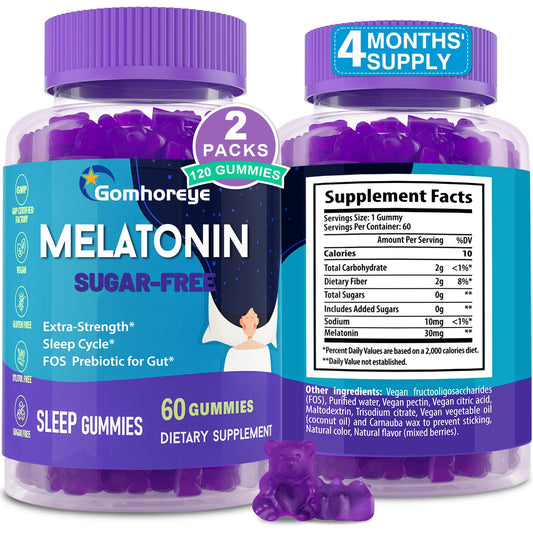
Melatonin (best for sleep timing and circadian misalignment)
What it is:Melatonin is a hormone your body naturally produces in response to darkness. Supplemental melatonin is widely studied for its ability to shift circadian timing-helping signal “biological night.”
What evidence supports:Research often supports melatonin for reducing sleep onset latency (time to fall asleep), especially when sleep timing is shifted (jet lag, delayed sleep phase, shift work patterns). It’s also used by some older adults, since endogenous melatonin production can decline with age.
Mechanism:Melatonin acts on melatonin receptors (MT1/MT2) involved in circadian rhythm regulation. Think of it as a timing cue rather than a strong sedative.
Season angle:During darker months or periods of irregular schedules, people may seek melatonin to re-anchor bedtime and wake time consistency-one reasonSleep Supplements for this seasonoften includes melatonin-based products.
Magnesium (relaxation, muscle comfort, and sleep continuity)
What it is:Magnesium is an essential mineral involved in hundreds of enzymatic processes, including nervous system function.
What evidence supports:Studies suggest magnesium supplementation may help some people-particularly those with lower magnesium status-by supporting relaxation and potentially improving subjective sleep quality. Evidence is not uniform across all populations, but it’s commonly used for nighttime muscle tension and general calm.
Mechanism:Magnesium is involved in neurotransmission and may influence GABAergic activity (GABA is a primary inhibitory neurotransmitter). It also supports muscle function, which can matter for nighttime physical restlessness.
Product types:Common forms include magnesium glycinate (often chosen for tolerability) and magnesium citrate (which may be more likely to affect bowel movements in some people).
L-theanine (calm focus and stress-related sleep disruption)
What it is:L-theanine is an amino acid found in tea leaves (especially green tea), commonly used for relaxation without heavy sedation.
What evidence supports:Research suggests L-theanine may help reduce perceived stress and promote relaxation, which can support sleep indirectly-particularly when the main barrier is mental “overdrive” at bedtime.
Mechanism:L-theanine may influence alpha brain wave activity and modulate neurotransmitters involved in relaxation (including GABA, dopamine, and serotonin pathways), though exact mechanisms in humans are still being clarified.
Glycine (thermoregulation and subjective sleep quality)
What it is:Glycine is an amino acid involved in many physiological functions.
What evidence supports:Some clinical studies suggest glycine taken before bed may improve subjective sleep quality and next-day alertness. This research is promising but not as extensive as melatonin’s circadian evidence base.
Mechanism:Glycine may support sleep by influencing core body temperature regulation and neurotransmission, which can affect sleep onset and depth.
Valerian, chamomile, lavender, and lemon balm (botanicals with mixed-to-moderate evidence)
What they are:These are traditional herbal options used for relaxation and sleep. They’re popular in teas and capsules.
What evidence supports:The evidence varies by herb and study design. Some trials and reviews suggest potential benefits for mild sleep complaints, especially when sleep disruption is related to stress. However, results are inconsistent, and herbal extracts can differ substantially in composition and potency.
Mechanism:Many calming botanicals are thought to interact with GABAergic pathways or provide anxiolytic (anxiety-reducing) effects. Lavender aromatherapy has also been studied for relaxation and sleep perception.
5-HTP and tryptophan (serotonin pathway considerations)
What they are:Tryptophan is an amino acid; 5-HTP is a metabolite in the serotonin synthesis pathway. They’re sometimes used to support mood and sleep.
What evidence supports:Evidence exists, but it’s more variable and often context-dependent. These ingredients require extra caution due to potential interactions with medications that affect serotonin (for example, SSRIs/SNRIs). Always consult a clinician if you’re on prescription medications or have a history of mood disorders.
To compare ingredient options and formats, see Ariavit’ssleep support selection.
Why consumers are turning to sleep supplements now (and what “benefits” realistically mean)
Interest often spikes when people feel that foundational habits are harder to maintain. Importantly, the wordbenefitsshould be interpreted as potential support for specific aspects of sleep-not guaranteed outcomes.
Common consumer motivations in Canada this season include:
- Supporting sleep onsetwhen bedtime slips later due to schedule changes or extra evening light exposure.
- Reducing nighttime awakeningsrelated to stress, temperature discomfort, or irregular routines.
- Improving perceived sleep quality-waking up feeling more refreshed and less “wired but tired.”
- Creating a consistent wind-down ritualthat signals the brain it’s time for rest (capsules, powders, teas, or gummies can become part of routine).
- Seeking non-habit-forming optionscompared with some sleep medications (while still recognizing that “natural” doesn’t automatically mean risk-free).
In practice, the most noticeable improvements often occur when supplements are paired with sleep hygiene basics: consistent wake time, morning light exposure, reduced evening caffeine, a cooler bedroom, and a short wind-down routine. Supplements can be an adjunct-not a replacement-for those fundamentals.
If you’re deciding which category to start with, browsesleep supplements for nights like theseto see typical ingredient groupings.
How to choose a sleep supplement thoughtfully (quality, safety, and fit)
Because supplement responses vary, a careful approach helps you learn what works for your body while minimizing unwanted effects.
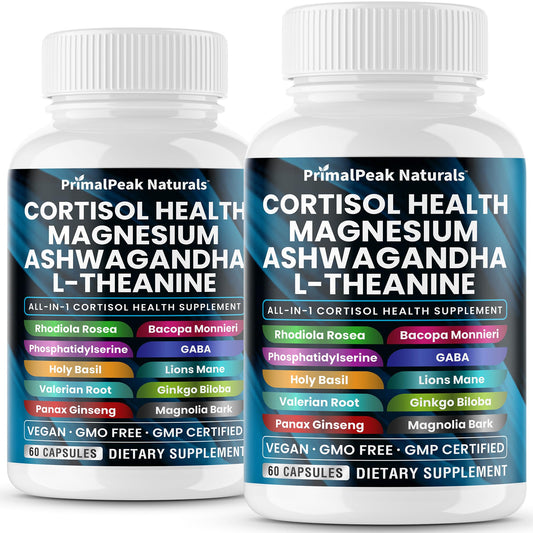
1) Match the ingredient to your main sleep issue.If the main issue is circadian timing (falling asleep too late), melatonin may be more targeted. If the issue is stress-related restlessness, L-theanine or certain botanicals may be more relevant. If the issue is muscle tension or general relaxation support, magnesium is commonly chosen.
2) Prefer clear labels and standardized extracts where relevant.For herbal products, standardized extracts can improve consistency from batch to batch. For minerals, the specific form (e.g., glycinate vs citrate) can influence tolerability.
3) Start low and avoid “stacking” too many new ingredients at once.If you change multiple variables, it’s hard to know what helped (or what caused side effects such as grogginess, vivid dreams, or GI upset).
4) Consider timing.Many people take sleep supplements 30-60 minutes before bedtime, but timing can differ by ingredient and personal response. For melatonin specifically, timing relative to your desired bedtime can matter more than the dose for circadian effects.
5) Review interactions and precautions.If you are pregnant or breastfeeding, have a chronic medical condition, or take prescription medications (including medications for mood, blood pressure, thyroid, or anticoagulation), consult a clinician or pharmacist before starting new supplements. This is especially important for products that may cause drowsiness or affect neurotransmitters.
6) Don’t ignore persistent insomnia symptoms.If you have difficulty sleeping at least three nights per week for months, or if you snore loudly, gasp during sleep, or feel excessively sleepy during the day, it’s worth discussing with a healthcare professional to rule out conditions such as sleep apnea, restless legs syndrome, or clinical insomnia that may benefit from targeted treatment (like CBT-I).
To see common ingredient combinations used by consumers, visitAriavit’s Sleep Supplements collection.
Season-specific sleep strategies to pair with supplements
Supplements tend to work best when they support a stable system. Seasonal changes can disrupt that system, so pairing a supplement with a few practical adjustments often makes the biggest difference.
Morning light exposure (especially in darker months).Aim for outdoor light soon after waking when possible. Even on cloudy days, outdoor light is typically brighter than indoor lighting and can support circadian alignment.
Evening light hygiene.Bright and blue-enriched light at night can suppress melatonin and delay sleepiness. Dimming lights and reducing screen brightness in the last hour before bed can help-particularly when using melatonin or when your sleep timing is drifting.
Temperature and bedding.A cooler bedroom and breathable bedding can reduce awakenings. Seasonal heating can dry the air; some people find humidification improves comfort (especially if nasal dryness wakes them).
Caffeine timing.Caffeine has a long half-life. For some, afternoon coffee or energy drinks can still affect sleep onset. This is a frequent “hidden” contributor when routines change seasonally.
Wind-down ritual.A consistent 15-30 minute pre-sleep routine (reading, stretching, breathing exercises, warm shower) conditions the body to shift toward rest. Many people incorporate theirsupplementshere for consistency.
Who may benefit most from sleep supplements (and who should be cautious)
People who may benefit mostoften include:
- Adults with occasional sleep disruption due to seasonal schedule changes.
- People dealing with mild stress-related restlessness who want a calming routine.
- Travellers facing time-zone changes within Canada or internationally.
- Older adults noticing changes in sleep timing or nighttime awakenings (after clinician review of medications and health conditions).
People who should be cautiousinclude:
- Those who are pregnant or breastfeeding (seek medical advice first).
- Anyone taking sedatives, sleep medications, or medications that affect serotonin (ask a clinician before using products like 5-HTP).
- People with autoimmune conditions, seizure disorders, or complex medical histories (ingredient choice matters).
- Drivers, equipment operators, or anyone who must be fully alert early in the morning-avoid next-day drowsiness by trialing on a low-stakes night.
FAQ
Do sleep supplements work right away?
Some can feel noticeable the first night (for example, melatonin for sleep timing or a calming ingredient for relaxation), but responses vary. Many people learn best by keeping the rest of their routine consistent and evaluating changes in sleep onset, awakenings, and morning grogginess over 1-2 weeks.
Is melatonin the best choice for everyone this season?
No. Melatonin is most evidence-backed for circadian timing issues (like falling asleep too late or jet lag). If your main issue is stress, muscle tension, or fragmented sleep, other options (such as magnesium or L-theanine) may be a better fit. If symptoms are persistent or severe, it’s wise to speak with a healthcare professional.
Bottom line: why Sleep Supplements for this season are trending
In Canada, seasonal shifts can meaningfully affect circadian rhythm, stress levels, routines, and sleep comfort. That combination helps explain whySleep Supplements for this seasonare popular: people want targeted support for relaxation, sleep timing, and perceived sleep quality when lifestyle variables are in flux.
The most science-supported approach is to (1) identify your main sleep barrier, (2) choose a single evidence-backed ingredient or simple blend, (3) use it with consistent timing, and (4) pair it with practical sleep hygiene strategies. For a starting point, explore Ariavit’ssleep supplementsand use the ingredient list as your guide to what aligns with your needs.
Educational note:This article is for general information and does not replace medical advice. If you have persistent insomnia, symptoms of sleep apnea, or take prescription medications, consult a qualified healthcare professional.