








How do I take black seed oil supplements safely timing, dosage, and tips for beginners in Canada?

Black seed oil (fromNigella sativa) is a popular wellness supplement, and it’s normal to wonder how to take it safely-especially if you’re new to oils, softgels, or tinctures. This article focuses on technique: how to time your dose, how to choose a beginner-friendly amount, and how to avoid common mistakes like taking too much too soon or combining it with the wrong products.
Black Seed Oil Supplement Collection how to tips is the focus of this guide.
Note: This is general information for consumers in Canada (CAN). It’s not medical advice. If you’re pregnant or breastfeeding, managing a medical condition, or taking prescription medications, check with a pharmacist or healthcare professional before starting any new supplement.
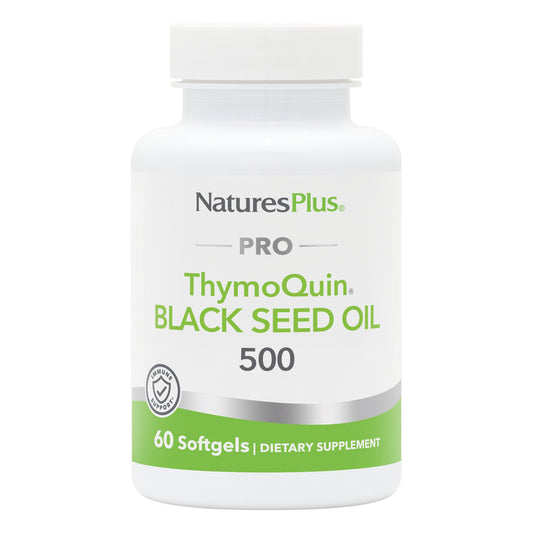
If you’re browsing options, thisBlack Seed Oil Supplement Collectioncan help you compare formats and label details in one place.
Getting started: safe timing and dosage techniques for beginners
“Safely” usually means three things: you choose a conservative starting dose, you follow the product label, and you pay attention to how you feel over the first 1-2 weeks. Black seed oil can be taken as a liquid oil, softgel capsule, or sometimes a blended formula (for example, with other carrier oils). Each format affects taste, convenience, and how easily you can adjust the amount.
Beginner timing: morning vs evening
There isn’t one perfect time that works for everyone, but these techniques are commonly used:
- With food (most beginner-friendly):Taking black seed oil with a meal or snack can reduce the chance of stomach upset and help you remember your routine.
- Morning routine:Many people prefer morning with breakfast so it’s consistent, especially if you’re also taking vitamin D, omega-3, or a multivitamin.
- Evening routine:If you find oils feel “heavy,” evening with dinner may be more comfortable. Consistency matters more than the clock.
- Split dosing:If your label suggests more than one softgel per day (or a larger liquid serving), splitting into two smaller doses (AM/PM) can feel gentler.
How much should a beginner take?
Start with the product’s label directions and consider alow-and-slow approachif you’re sensitive to supplements. For liquid oils, beginners often start with a small measured amount; for softgels, that may mean starting with one capsule daily if the label allows. The goal is a routine you tolerate well-without rushing.
Because black seed oil products vary (cold-pressed oil vs standardized extracts, different mg per softgel, different suggested servings), there isn’t a universal “one size fits all” dosage. The safest approach is:
- Read the Supplement Facts / Nutrition labelfor serving size and amount per serving.
- Confirm the format(liquid vs softgel) and the concentration if listed.
- Track your start date and serving sizefor the first 7-14 days.
- Don’t exceed the labelunless a qualified healthcare professional advises you to.
If you want to explore different formats (liquid oil vs capsules) in one place, see theblack seed oil supplements collectionfor quick by type.
Choosing the right product format (liquid vs softgels) and how to take it
Technique depends on what you buy. Here’s how to make each format easier and more consistent.
Liquid black seed oil: how to take it without dreading the taste
Liquid oil offers flexible dosing, but flavour can be strong (peppery, herbal, sometimes slightly bitter). Beginner-friendly techniques:
- Measure, don’t pour:Use a measuring spoon to avoid accidental over-servings.
- Take it with food:Swallow after a few bites of yogurt, oatmeal, or toast.
- Chaser method:Follow with water or a snack. If you use juice, keep it simple and avoid adding it to hot drinks (heat can affect oils).
- Start smaller:Gradually work up only if you’re tolerating it and the label supports it.
Softgels/capsules: the simplest routine
Softgels are convenient and reduce taste concerns. For beginners, they’re often easiest for consistent daily use. Tips:
- Take with a full glass of waterand a meal if you have a sensitive stomach.
- Stick to a trigger habit(after breakfast, after brushing teeth, or with dinner).
- Check the label for serving size(some products are 1 softgel, others are 2).
To browse capsule and liquid options together, you can visit theAriavit Black Seed Oil Supplement Collectionand focus on the format that best fits your routine.
Storage technique: keep oils fresh
Oxidation can affect taste and quality. Always follow label storage directions, but common best practices include:
- Close the cap tightlyafter each use.
- Store away from heat and sunlight(not beside the stove).
- Use within the suggested timeframeafter opening if stated.
- Watch for changesin smell or flavour that seem “off,” and discard if you’re unsure.
People-also-ask: black seed oil supplement timing, dosage, and safety
These quick answers reflect common beginner questions. If you’re dealing with a medical condition (like diabetes, high blood pressure, autoimmune conditions) or take medications, a pharmacist can help you check for interactions.
Can I take black seed oil on an empty stomach?
Some people can, but beginners often do betterwith foodto reduce the chance of nausea, reflux, or stomach discomfort. If you try it on an empty stomach, start with a smaller amount and switch to taking it with a meal if you feel uneasy.
Should I take black seed oil in the morning or at night?
Either can work. Choose the time you’ll remember consistently. If you notice stomach sensitivity, take it with your largest meal (often dinner). If you prefer building it into a wellness stack (like vitamin D or omega-3), morning may be easier.
How long does it take to notice anything?
It varies widely. Some people notice digestive tolerance (good or bad) within days, while other changes are subtle and take longer. Avoid increasing dose too quickly in the first two weeks-consistency and tolerance come first.
What’s the safest way to increase my dose?
Increase only if (1) you’re tolerating your current serving well, and (2) the product label supports a higher serving. A simple technique is to hold a steady serving for 7-14 days before adjusting, and change only one thing at a time (dose or timing, not both).
Can I take black seed oil with other supplements?
Often yes, but it depends on what you’re already taking. If you use products that may affect blood pressure, blood sugar, or blood clotting, or you take prescription medications, ask a pharmacist to review your full list (including herbs and natural health products). This is especially important if you take anticoagulants/antiplatelets or diabetes medications.
Can I take black seed oil every day?
Many people take it daily as directed on the label. If you’re unsure, consider periodic breaks or reassessing after a month-especially if you’re taking multiple supplements. The best routine is the one that remains comfortable, consistent, and label-aligned.
Is black seed oil safe for teens or kids?
For minors, it’s best to consult a healthcare professional. Children and teens have different dosing considerations, and not all adult supplements are appropriate for them.
If you’re still deciding which format suits you, explore thisBlack Seed Oil Supplement Collection how-to optionspage and compare labels for serving size and directions.
Practical beginner tips: how to build a routine you’ll actually follow
These “small technique” changes often matter more than the specific time of day.
- Pair it with a habit:Put your supplement near your kettle, coffee maker, or breakfast bowl (but not in heat/sunlight).
- Use a simple tracker:A note on your phone for the first two weeks helps you spot patterns in tolerance.
- Hydrate:Take softgels with enough water to reduce the chance of an aftertaste.
- Keep it boring:Don’t add multiple new supplements at once-if something upsets your stomach, you won’t know which one did it.
- Be label-literate:Look for serving size, oil amount per serving, and any standardized constituents if listed.
- Don’t “double up” after forgetting:If you miss a day, resume your normal schedule unless a healthcare professional tells you otherwise.
For shoppers who like to compare product types (softgels vs liquid oil), theblack seed oil supplement collectioncan be a convenient starting point.
Safety checks: who should be extra cautious?
Black seed oil is widely used, but “natural” doesn’t automatically mean risk-free. Use extra caution and professional guidance if any of the following apply:
- Pregnancy or breastfeeding:Get individualized advice before use.
- Upcoming surgery or dental procedures:Ask about when to stop supplements beforehand.
- Prescription medications:Especially for blood pressure, blood sugar, or blood thinning/clotting.
- Chronic conditions:Such as diabetes, hypertension, liver or kidney conditions, or autoimmune concerns.
- Allergies/sensitivities:If you’ve reacted to herbal oils before, start cautiously and discontinue if you experience symptoms.
Also consider the full ingredient list. Some products include additional botanicals, flavouring, or carrier oils that may matter if you have sensitivities.
How to read labels like a pro (without overthinking it)
When comparing a black seed oil product, focus on practical label points that support safe, consistent use:
- Source and species:Look forNigella sativa(black seed).
- Form:Liquid oil, softgel, or capsule.
- Serving size:One softgel vs two softgels; teaspoon vs mL for liquid.
- Amount per serving:How much oil you’re getting in mg or mL.
- Directions and cautions:Especially interaction cautions and who should consult a professional.
- Quality cues:Cold-pressed, third-party testing notes (if provided), lot number, and best-before date.
If you prefer scanning a range of label styles and formats, thisBlack Seed Oil Supplement Collectionmakes it easier to compare how different supplements present serving size and usage directions.
Everyday scenarios: tailoring timing and technique
Here are a few common, real-life situations beginners run into-and simple technique adjustments.
I have a sensitive stomach
Take black seed oilwith food, start with the smallest label-supported serving, and consider softgels to reduce taste and reflux. Avoid taking it right before lying down.
I’m already taking omega-3, vitamin D, magnesium, or probiotics
Spacing can help you identify what’s doing what. For example, take probiotics at a different time than oils if your stomach is sensitive. If you’re unsure, a pharmacist can help you build a simple schedule.
I travel within Canada or commute a lot
Softgels are often easier for travel. For liquid oil, keep it tightly sealed and stored as the label recommends. If you’re flying, consider leak-proof packaging and keep it in a temperature-stable place when possible.
I keep forgetting my dose
Pick one anchor habit (breakfast or dinner) and stick to it for 14 days. Consistency beats perfection, especially for beginners.
Short FAQ
Can I mix black seed oil into coffee or hot tea?
It’s usually better to avoid adding oils to hot drinks. Heat can affect flavour and may not be ideal for oil quality. If you prefer mixing, use room-temperature foods (like yogurt) and follow the label serving size.
What should I do if I feel nauseated after taking it?
Stop and reassess your technique: take it with a meal, reduce to a smaller label-supported serving, and avoid taking it right before bed. If symptoms persist or are severe, discontinue use and seek medical advice.
Key takeaways:Start low and follow the label, take it with food if you’re new or sensitive, choose the format you’ll stick with (liquid oil vs softgels), and check with a pharmacist if you take medications or have health conditions. For browsing formats and label styles, theBlack Seed Oil Supplement Collectioncan be a helpful reference point.