







How do I use essential fatty acids & oils effectively tips for daily dosing and storage?

Essential Fatty Acids & Oils are popular for everyday wellness routines-from supporting a balanced diet to helping people round out fat intake when meals are light on oily fish, seeds, or nuts. The key is using them effectively: picking a format you can stick with (softgels vs liquid oils), taking them at the right time for your stomach, and storing them so the oils stay fresh.
Essential Fatty Acids & Oils how to tips is the focus of this guide.
This article focuses on technique: simple, reliable habits for daily dosing and storage. If you’re browsing options, you can explore Ariavit’sEssential Fatty Acids & Oils collectionanytime-then use the tips below to build a routine that actually lasts.
What “essential fatty acids” means (and why format matters)
“Essential” means your body can’t make these fats in adequate amounts, so you need them from food or supplements. The two main categories are omega-3 (like EPA and DHA from fish oil, and ALA from flax/chia) and omega-6 (like linoleic acid from many plant oils). Many people also include omega-9 oils in the conversation (not essential, but commonly used in wellness), plus specialized oils like evening primrose, borage, black seed, or MCT oil for specific routines.
Because oils are sensitive to heat, light, and oxygen, theformatyou choose affects how easy it is to dose accurately and keep the product fresh:
- Softgels/capsules:Convenient, portable, less taste, often easier to stay consistent when travelling.
- Liquid oils:Flexible dosing, can be mixed into foods (when appropriate), but require more careful storage and measuring.
Looking for different formats or oil types? Here’s a quick place to compare options:shop essential oils and fatty acid supplements.
Daily dosing techniques that work in real life
The “best” dose is the one you can take consistently and safely. Always follow the label directions and, if you have medical conditions or take medications, confirm with a pharmacist or clinician-especially for higher-dose omega-3s and if you use anticoagulants/antiplatelet drugs.
1) Take with a meal (most people do better)
Essential fatty acids are fats, so taking them with food often helps in two ways: it can be gentler on the stomach and may reduce fishy burps or reflux. A meal that includes some fat (avocado, yogurt, eggs, olive oil, nut butter) is a common pairing.
2) Split your dose if your stomach is sensitive
If the label suggests multiple softgels or a larger spoonful of oil, consider splitting between breakfast and dinner. Many people find smaller servings are easier to tolerate and easier to remember.
3) Match the format to your routine
If you never use a measuring spoon, a liquid oil may end up forgotten. If you dislike swallowing capsules, softgels may stall your routine. Choose what fits your day: a softgel beside your toothbrush, or a liquid oil near your breakfast items.
4) Add a “cue” to make it automatic
Consistency is less about motivation and more about cues. Try one of these:
- Keep softgels with your daily vitamins (and set a phone reminder for the first two weeks).
- Take oils at the same meal each day (e.g., dinner).
- Use a weekly pill organizer for capsules.
5) Use flavour and temperature to your advantage (liquid oils)
For liquid fish oil, taste is often the biggest barrier. Chilling the bottle can make flavour milder for some people. If the product is flavoured (like citrus), it may be easier to take directly. You can also take it with a bite of food immediately afterward.
If you’re considering which type might suit you, browseomega oils and essential fatty acidsand decide based on your lifestyle: travel frequency, sensitivity to taste, and whether you prefer capsules or liquids.
Storage tips: keep oils fresh and reduce oxidation
Oils can oxidize when exposed to heat, light, and air. Oxidation can affect smell and taste, and it’s one reason proper storage matters. Use these practical habits to help maintain freshness:
Follow the label first
Some oils are shelf-stable until opened; others recommend refrigeration right away. Always prioritize the manufacturer’s storage instructions and best-before date.
General best practices (especially after opening)
- Keep the cap tightly closedto limit oxygen exposure.
- Store away from heat and sunlight(not next to the stove; avoid window sills).
- Refrigerate if directed; many liquid omega-3 oils do well in the fridge once opened.
- Use clean utensilsfor liquids to avoid introducing moisture or food particles.
- Don’t “top up” an old bottlewith a new one-finish one first.
How to tell if an oil may be off
While you can’t confirm oxidation at home with certainty, common red flags include a strong rancid smell, unusually bitter taste, or a noticeable change from the product’s normal aroma. If something seems clearly “off,” it’s safer to stop using it and replace it.
For options that fit your storage preferences (capsules vs liquids), seeessential fatty acid and oil supplements.
People-also-ask style questions (quick answers)
Should I take essential fatty acids in the morning or at night?
Either can work. Many people prefer taking them with their largest meal to reduce burps or stomach upset. If you’re splitting a dose, breakfast and dinner is a common approach.
Do I need to refrigerate fish oil?
Check the label. Many liquid fish oils recommend refrigeration after opening to help preserve freshness. Softgels are often fine at room temperature when stored in a cool, dry place.
Can I take omega-3 with coffee?
Yes, but pairing with food is usually more comfortable. Coffee alone on an empty stomach can increase the chance of reflux for some people, which may make fishy aftertaste more noticeable.
What’s the difference between EPA/DHA and ALA?
EPA and DHA are long-chain omega-3s commonly found in fish oil and algae oil. ALA is a plant omega-3 found in flax, chia, and some seed oils. The body can convert ALA into EPA and DHA, but conversion is limited for many people-so the best choice depends on your diet and goals.
Are algae oils a good alternative to fish oil?
Algae oil is a common option for people who prefer a non-fish source of DHA (and sometimes EPA). It can be a good fit for those following vegetarian patterns or who dislike fishy aftertaste.
Can I combine different oils (like fish oil + evening primrose)?
Some people do, but it’s best to avoid “stacking” without a plan. Start with one product first so you can gauge tolerance, and speak with a pharmacist or clinician if you’re pregnant, breastfeeding, managing a condition, or taking prescription medications.
Why do I get fishy burps-and how do I prevent them?
Common strategies include taking softgels with a meal, splitting doses, trying enteric-coated softgels if available, and storing capsules properly. For liquid oils, chilling can help some people.
Choosing the right oil type for your needs (without overcomplicating it)
There are many product types and use cases. Here are common categories and how people typically use them in daily life:
- Fish oil (omega-3 EPA/DHA):A popular option for those who don’t eat fatty fish regularly. Look for clear label information on EPA and DHA per serving and a freshness-focused approach (quality testing details vary by brand).
- Algae oil (omega-3 DHA/EPA):Often chosen by vegetarians or those avoiding fish.
- Flaxseed oil (ALA):Plant-based omega-3; best used cold (not for high-heat cooking). Some people mix into smoothies or drizzle on foods if the product label supports it.
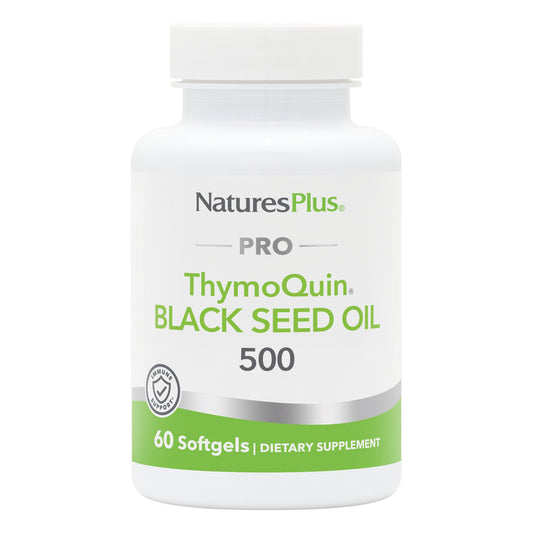
- Evening primrose or borage oil (GLA):Specialty oils some consumers add to targeted routines. Follow label directions and check interactions/appropriateness with a professional if unsure.
- MCT oil:Commonly used in smoothies or coffee by people who prefer a neutral-tasting oil; start low if you’re sensitive, as larger amounts can cause digestive discomfort.
If you want to compare these categories in one place, visitAriavit’s essential oils and EFAs.
Smart pairing ideas (and what to avoid)
Pair with meals that already have fat
Because fats help with tolerance and routine consistency, pairing with a meal you eat most days is practical. Examples: breakfast with eggs, yogurt with granola, or dinner with salmon, olive oil dressing, or avocado.
Avoid high heat for most supplemental oils
Many specialty oils are not meant for frying or high-heat cooking. Heat can degrade delicate fatty acids. If you use a liquid oil as part of food, keep it as a cold drizzle or mix-in when appropriate and consistent with the label.
Be cautious with “more is better” thinking
With supplements, more isn’t always better. Higher intakes can increase side effects (like digestive upset) and may not be appropriate for everyone. If you’re aiming for a higher-dose omega-3 routine for a specific reason, it’s worth checking with a clinician-especially if you use blood thinners, have upcoming surgery, or have a bleeding disorder.
Everyday scenarios: routines that make dosing easy
Busy weekday mornings:Keep softgels next to your cereal bowl or coffee station; take with breakfast.
Shift work or irregular schedules:Tie your dose to the first substantial meal after waking (whatever time that is).
Travel across Canada:Softgels are often easiest. Avoid leaving oils in a hot car or direct sun; use an insulated bag if you’re carrying liquids and temperature control matters.
Family household:Store oils out of children’s reach. If multiple adults use different products, label the bottles clearly and keep measuring tools clean and separate.
Short FAQ
How long does a bottle of liquid omega-3 last after opening?
It depends on the product, bottle size, and label guidance. Many brands provide an “use within” window after opening. If not listed, keep it refrigerated if directed, close it tightly, and watch for changes in smell or taste.
Can I take essential fatty acids & oils if I don’t eat fish?
Yes. Many people choose algae-based omega-3s or plant oils (like flax) depending on dietary preferences. If you’re avoiding fish due to allergy, confirm ingredients carefully and ask a pharmacist if you’re unsure.
For more choices across omega-3s, specialty oils, and easy daily formats, you can exploreessential fatty acids & oilsand pick the option that matches your routine and storage comfort level.
Note:This article is for general education and routine tips, not medical advice. If you’re pregnant, breastfeeding, managing a condition, or taking medications, consult a qualified healthcare professional for personalized guidance.