










Vitamins vs alternatives for Ontario seniors on a budget: picks & safety

For many older adults in Ontario, the decision between traditional vitamin pills and alternative routes-fortified foods, liquid formulas, dietary changes or single-nutrient supplements-affects health, wallet and day-to-day routine. This vs guide covers the most practical options, explores safety and compatibility, and points to quality picks and real-world fit for seniors on a budget.
Why compare "Vitamins vs alternatives" for Ontario seniors?
Age, metabolism and common medication use change how nutrients are absorbed and needed. Clinical guidance from Health Canada and geriatric specialists suggests targeted support-rather than a one-size-fits-all approach-can improve benefits and reduce risks. For cost-conscious seniors, alternatives to a daily multivitamin may deliver better quality, compatibility with prescriptions and performance for specific needs like bone health or energy.
Overview of common options: what each approach offers
This section compares the most commonly considered choices for seniors: multivitamin supplements, single-nutrient supplements, liquid or chewable forms, fortified foods and dietary adjustments. Each option includes features, typical benefits, likely fit, and common safety notes.
Multivitamins (tablets, capsules, gummies)
Multivitamins aim to cover a broad range of micronutrients in one product. Pros include convenience and broad-spectrum coverage. Cons are variable quality, dosing that may not match individual needs, and potential interactions with medications.
When assessing multivitamins, pay attention to features such as bioavailability (methylated B-vitamins, chelated minerals), third-party testing, and whether doses match your needs. For example, some multivitamins include weaker doses of vitamin D or B12 than older adults often require.
Product spotlight: a liquid multivitamin likePassion 4 Life Mega Liquid Multivitaminscan be easier to swallow and may include ingredients supporting absorption (turmeric, gentle carriers). Liquids are helpful for seniors with swallowing difficulty or who need flexible dosing.
Single-nutrient supplements (targeted approach)
Targeted supplements-vitamin D, B12, calcium or vitamin K-address specific deficiencies. Pros: predictable dosing, better safety when matched to lab results, and usually lower cost than high-end multivitamins. Cons: require knowing what you need and tracking multiple products if you require more than one nutrient.
Example: Vitamin D often becomes a top priority for Ontario seniors due to northern winters and limited sun exposure. High-quality capsule options include dependable brands such asKirkland Signature Maximum Strength Vitamin D3 2000 IU, which are widely used for maintaining vitamin D status when a clinician recommends supplementation.
Fortified foods and beverages
Fortified milk, orange juice, cereals and plant-based milks provide nutrients as part of meals. Pros: integrate easily into diet, no pills to swallow, often affordable. Cons: amounts vary by brand and serving size; relying solely on fortified foods can lead to inconsistent intake and sodium or sugar trade-offs in some products.
Fortification is a practical alternative for seniors who prefer food-first strategies, but it requires reading labels and ensuring that fortified products fit medical dietary restrictions (e.g., low sodium).
Dietary changes and food-first strategies
Recommended products:FIRST DAY Teens Vitamins - Organic Teen Multivitamin Gummies for Girls & Boys 12-17 | 12 Nutrients|Kirkland Signature Maximum Strength Vitamin D3 2000 IU - Pack of 3
A balanced menu rich in nutrient-dense foods-leafy greens for vitamin K, oily fish for vitamin D and omega-3s, fortified plant milks for calcium and vitamin D, and fortified cereals for B-vitamins-can reduce the need for supplements. Pros: improved overall diet quality and additional benefits like protein and fibre. Cons: may be harder to hit specific micronutrient targets through food alone for older adults with reduced appetite, chewing problems or limited access to varied groceries.
Chewables and gummies
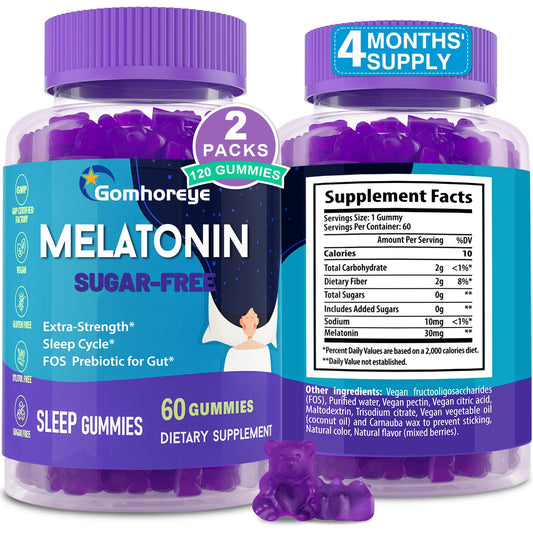
Chewable or gummy forms are popular for taste and ease of use but can include sugars, lower nutrient concentrations, and uneven dosing for micronutrients. Note: some products are tailored to other life -be cautious with prenatal formulas or kid/teen formulations.
Examples of products not intended for seniors includeFIRST DAY Teens VitaminsandNutri Supreme Prenatal Vitamin, which are formulated for specific life and should not be chosen for general senior use.
Practical vs table: vitamins vs alternatives - at-a-glance
The table below summarizes common approaches, how they perform on key features, and the best-use scenarios for seniors living in Ontario.
| Option | Key features | Pros | Cons | Best fit / performance |
|---|---|---|---|---|
| Multivitamin (capsule/tablet) | Multi-nutrient, set dose | Convenient, broad coverage | May not match specific needs, variable quality | Good for those wanting basic coverage and easy routine |
| Single-nutrient (D, B12, K) | Targeted dosing, often higher potency | Precise, cost-effective for deficiency | Requires assessment, multiple pills if several needs | Best when labs or provider indicate deficiency |
| Liquid or chewable | Flexible dosing, easy swallowing | Good for dysphagia or preference | May contain sweeteners; shorter shelf-life | Ideal for those who struggle with solid pills |
| Fortified foods | Nutrients added to foods/beverages | Fits meals, no pills | Variable amounts, often small portions | Good adjunct when following food-first strategy |
| Dietary changes | Whole food sources | Multiple health benefits beyond micronutrients | May not meet high needs or address absorption issues | Best for generally healthy seniors with good appetite |
Real-world picks and safety notes (what to consider on a budget)
For Ontario seniors balancing cost and quality, the following practical guidance helps prioritize purchases and avoid wasted spending.
- Start with an assessment: a blood test for vitamin D and B12 is inexpensive relative to years of unnecessary supplementation and ensures compatibility with your medications.
- Prioritize single-nutrient supplements when labs show clear deficiency-these often offer the best value and performance for the money.
- Choose formulations that match absorption needs. Fat-soluble vitamins (A, D, E, K) benefit from being taken with a meal containing fat; methylated B12 and folate may help seniors with absorption or genetic differences.
- Check third-party testing and labels for quality signals: lot numbers, expiry, and clear active ingredient listings. For guidance on assessing quality, consult a reliable resource such asthis guide to choosing quality vitamins.
- Use fortified foods as consistent, inexpensive complements rather than sole sources for high-need nutrients.
Examples and product context (how products fit real needs)
Below are representative products available through an Ontario retailer and how they might fit or not fit an older adult’s routine. Each link is contextualized so you can evaluate fit versus need and safety.
- Vitamin D maintenance:Kirkland Signature Maximum Strength Vitamin D3 2000 IU- commonly recommended where clinicians identify mild insufficiency or where winter sun exposure is limited. Good fit when a provider recommends supplemental D and you need cost-effective capsules.
- Complex of fat-soluble vitamins:Codeage ADK Vitamins+- combines A, D3 and K forms; useful when coordinating bone health and vitamin D optimization. Use with provider guidance because fat-soluble vitamins accumulate.
- B-complex for energy/metabolism:365 by Whole Foods Market Vitamin B-50 Complex- appropriate if bloodwork or symptoms suggest low B vitamins. Look for methylated forms if you have absorption issues.
- Liquid multivitamin for swallowing issues:Passion 4 Life Mega Liquid Multivitamins- an option for those who prefer a liquid or need flexible dosing; check sugar content and storage instructions.
- Life- caution:FIRST DAY Teens VitaminsandNutri Supreme Prenatal Vitaminare formulated for teens and pregnant people respectively and are not suitable substitutes for senior-focused supplements; this underscores the importance of fit and compatibility.
Material and technology science: how forms affect absorption and performance
Understanding why one product ‘works’ better than another helps you match features to goals. Here are the key mechanisms relevant to seniors:
- Fat-soluble vs water-soluble: Vitamins A, D, E and K dissolve in fat and are stored in body tissues; they require dietary fat for optimal absorption and have higher safety considerations due to accumulation. Water-soluble vitamins like C and most B-vitamins are excreted more readily, lowering risk of long-term buildup.
- Bioavailable forms: Methylcobalamin (B12) and methylfolate are forms that some older adults absorb better. Chelated minerals (e.g., magnesium glycinate) may be gentler on the stomach and exhibit better uptake than oxide forms.
- Delivery technologies: Liquid emulsions, liposomal formulations and microencapsulation can improve absorption for some nutrients but typically cost more. Choose these only if you have absorption issues or swallowing difficulties.
Climate and seasonal impacts on nutrient performance
Ontario’s seasonal changes influence needs: low winter sunlight reduces cutaneous vitamin D synthesis, while summer months can improve status for some people. Seasonal appetite shifts and physical activity also change nutrient requirements.
Practical tip: Many Ontario seniors increase vitamin D supplementation in fall and winter. Regular monitoring of vitamin D (25(OH)D) levels, especially after changes in supplementation, is a good practice.
Safety warnings and usage limits
Safety is a major consideration for seniors who often take multiple prescription medications. Key warnings include:
- Check interactions: Vitamin K can interfere with warfarin dosing; high-dose vitamin E may affect blood clotting; iron can interact with some antibiotics and worsen certain conditions. Always consult your pharmacist or prescriber before starting new supplements.
- Observe upper limits: Fat-soluble vitamins can accumulate; follow Health Canada or your clinician’s guidance on tolerable upper intake levels. Do not exceed recommended therapeutic doses without medical supervision.
- Watch combined sources: If using fortified foods, multivitamins and single-nutrient supplements, add up amounts to ensure you’re not unintentionally exceeding safe levels.
- Allergies and excipients: Read labels for allergens, sugar/alcohol content in liquids or gummies, and fillers that may affect digestion or medication absorption.
Maintenance and care checklist
Proper storage and monitoring help preserve performance and limit risk:
- Store supplements in a cool, dry place away from sunlight; avoid bathroom storage where humidity fluctuates.
- Check expiry dates and lot information. Dispose of expired products responsibly.
- Keep a list of all supplements and medications on hand; share it with your pharmacist or primary care provider.
- Reassess needs yearly or when health status, medications or diet changes. Blood work helps guide alterations.
Checklist: choosing between vitamins vs alternatives
Recommended products:Passion 4 Life Mega Liquid Multivitamins - Turmeric Formula, Non-GMO, No Soy, No Dairy|365 by Whole Foods Market Vitamin B-50 Complex - Vegan, 180 Vegetarian Capsules
Use this short checklist to evaluate options quickly:
- Do I have lab-confirmed deficiency? If yes, consider targeted single-nutrient supplements.
- Do I have swallowing difficulties? If yes, consider liquid, chewable or spray options.
- Do I take medications that interact with supplements? If yes, consult a pharmacist before starting.
- Am I managing budget constraints? Prioritize tests and single-nutrient therapy over expensive broad-spectrum products.
- Do I prefer food-first? Build a nutrient-rich meal plan and use fortified foods strategically.
How to maximize benefits while minimizing cost
For seniors on a budget, follow these principles:
- Test before you spend: A simple blood test for vitamin D and B12 can prevent unnecessary purchases.
- Buy the essential single nutrients you need rather than expensive broad-spectrum products.
- Use fortified staples (milk, cereals) routinely to cover small deficits without extra pills.
- Look for reliable, value-focused brands and products sold in larger counts to lower per-dose cost-while ensuring quality and expiry are acceptable.
- Use seasonal strategies: increase vitamin D in darker months, prioritize immune-supporting nutrition in winter, and maintain hydration in summer for overall performance of nutrients.
Where to learn more and check quality
Credible sources include Health Canada guidance on supplements, registered dietitians in Ontario, and community pharmacists. For help matching products to needs, review expert-backed resources such asVitamins for your level: beginner vs advanced picks, which discusses fit, benefits and performance for different experience levels.
If you’re browsing options, consider exploring curated assortments that highlight third-party tested or practitioner-grade items:browse our vitamins collection,shop multivitamins, orexplore vitamin optionsto compare labels and features vs.
Sample day-to-day routines: matching choice to lifestyle
Here are a few realistic cases showing how different choices perform in daily life.
Case A - Active senior with normal labs
Option: focus on a food-first approach, fortified foods and a modest B-complex if low energy persists. Use a basic multivitamin only if dietary gaps are identified. Consider a B-50 complex like365 Vitamin B-50 Complexif B-vitamin insufficiency emerges.
Case B - Low vitamin D on blood work
Option: targeted vitamin D supplementation. For many seniors, a cost-effective D3 capsule such asKirkland D3 2000 IUis a practical choice when guided by a clinician regarding dose.
Case C - Swallowing difficulties and multiple meds
Option: use liquid or chewable formats to improve adherence while minimizing pill burden. Consider a liquid multivitamin likePassion 4 Life Mega Liquidand coordinate with your pharmacist to avoid interactions.
Practical shopping and evaluation tips
- Read active ingredient amounts per serving-not just % daily values.
- Check for third-party seals or transparent testing statements on labels.
- Compare ingredient lists across options in the same category on a single page:browse our vitamins collectionto view product facts tables vs.
- Seek formulations that match absorption needs (e.g., methylated folate or B12) if recommended by your clinician.
Maintenance: follow-up and monitoring
After starting a supplement strategy, schedule a follow-up with your primary care provider or a registered dietitian within 8-12 weeks for review, lab reassessment where appropriate, and to confirm compatibility with other medications. Keep records of changes in energy, digestion, and any adverse effects.
Practical vs checklist (quick print)
- Lab tests first? Yes / No
- Swallowing issues? Consider liquids/chewables
- Medication interactions? Consult pharmacist
- Budget priority: targeted single nutrients often best value
- Food-first feasible? Build fortified staples into meals
Further reading and internal resources
For more detail on picking the right strength and formulation by experience level, seethis beginner vs advanced guide. To evaluate the quality and compatibility of brands and products in the Ontario market, visit a curated store page andcompare vitamin labelsbefore you buy.
Frequently asked questions
Are multivitamins necessary for seniors in Ontario?
Not always. Many seniors benefit from targeted supplements guided by bloodwork (vitamin D, B12). A multivitamin may help those with poor appetite or limited diets, but testing and clinician advice yield better outcomes.
Can I get enough vitamin D from sunlight in Ontario?
Sunlight helps in warmer months, but UVB exposure is limited in fall and winter in higher latitudes like Ontario. Many seniors need supplemental vitamin D during darker months; check a 25(OH)D blood level and follow Health Canada or clinician guidance.
How do I avoid supplement-medication interactions?
Keep a complete list of all prescription and over-the-counter medicines plus supplements. Review the list with a pharmacist or prescriber before starting new vitamins. Be especially cautious with vitamin K (warfarin) and high-dose fat-soluble vitamins.
Closing guidance: matching safety, quality and value
For most Ontario seniors on a budget, the best strategy is targeted supplementation guided by testing, a food-first approach supported by fortified staples, and careful selection of products that demonstrate quality and compatibility. Use the practical checklists and product contexts above to decide whether a multivitamin, a single-nutrient product, a liquid formula, or fortified foods are the best fit.
When you’re ready to compare labels and shop,browse our vitamins collectionto see options across multivitamins, single nutrients and specialty formats. If you prefer to start with an evidence-based overview on matching vitamins to experience and fit, reviewVitamins for your leveland thenexplore vitamin optionsto find products that meet your safety and budget priorities.
Remember: consult a registered dietitian, pharmacist or your primary care provider before changing supplement routines, especially when managing chronic conditions or prescription medications. Thoughtful choices, monitoring and attention to quality go a long way toward maximizing benefits without overspending.
Recommended products:Nutri Supreme Prenatal Vitamin - Chewable with Methyl Folate, Iron, Cherry Flavor, 90 Count | Kosher | NUTRI-SUPREME RESEARCH|Codeage ADK Vitamins+ | Essential A, D3 5000 IU, K1 & K2 (MK-4 & MK-7) - 6-Month Supply, 180 Capsules