






Yeast infection treatment essentials for beginners: what to buy and how to use it safely at home

If you’re dealing with symptoms that sound like a yeast infection-or you’ve had one before and recognize the pattern-it’s normal to feel unsure about what to buy, what actually helps, and how to use treatment safely at home. The good news: many uncomplicated vaginal yeast infections (often caused byyeastsuch asCandida) can be managed with well-known, over-the-counter options. The key is choosing the righttreatmentfor your situation, using it correctly, and knowing when symptoms might actually be another kind ofinfectionthat needs medical care.
Yeast Infection Treatment Essentials for your level is the focus of this guide.
This guide is written for beginners in Canada and focuses on practical, at-home steps andessentialsyou can keep on hand. You’ll also find a curated place to browseYeast Infection Treatment Essentialsif you want to compare options in one spot.
Important:This article is general education, not a diagnosis. If you’re pregnant, immunocompromised, have diabetes that’s not well controlled, or you’re not sure it’s a yeast infection, contact a pharmacist, nurse practitioner, or doctor in Canada before treating at home.
Quick start: what most beginners should know first
Before buying anything, take 60 seconds to check whether your symptoms match a typical uncomplicated yeast infection. Many people self-treat correctly-but the biggest safety issue is treating the wrong condition. Irritation can come from bacterial vaginosis, trichomoniasis, allergic reactions, contact dermatitis, eczema, or a urinary tract infection (UTI). Those need different care.
Common yeast infection symptoms (often, but not always)
- Vaginal or vulvar itching, burning, or irritation
- Thick white discharge (sometimes described as “cottage cheese”), usually without a strong fishy odour
- Redness or swelling of the vulva
- Burning with urination when urine touches irritated skin (not deep bladder pain)
- Discomfort with sex
Signs it may not be yeast (get checked)
- Strong fishy odour, thin grey discharge (can suggest bacterial vaginosis)
- Fever, pelvic pain, lower belly pain, or feeling unwell
- Blisters/sores, new rash, or significant pain
- Green/yellow frothy discharge
- Symptoms after a new sexual partner or possible STI exposure
- Burning urination with urgency/frequency like a typical UTI
- First-ever vaginal symptoms (worth confirming)
If your symptoms are typical and mild-to-moderate, an OTC antifungal is usually the primary at-hometreatment. If symptoms are severe, recurrent, or uncertain, get medical advice first.
Yeast Infection Treatment Essentials for your level: what to buy (and why)
When people say “essentials,” they’re usually talking about a short list of items that cover the core problem (overgrowth of yeast), plus comfort and prevention supports. Your needs can also depend on your experience level and your body’s sensitivities. Here’s a practical way to think aboutYeast Infection Treatment Essentialsfor your level-beginner, confident self-treater, or someone focused on recurrence prevention.
Essential #1: an antifungal (the main treatment)
For uncomplicated vaginal yeast infections, antifungals are the evidence-based first line. In Canada, common OTC options includeazoleantifungals (like clotrimazole or miconazole) as vaginal creams, suppositories/ovules, and combination packs that include an external itch cream.
Typical product types you’ll see:
- 1-daystronger-dose ovule/cream (convenient but can sting more for some people)
- 3-dayregimen (a common balance of speed and tolerability)
- 7-dayregimen (often recommended if symptoms are more persistent, or if you’re sensitive)
Some people prefer oral prescription antifungals; those aren’t “at-home OTC essentials,” but they’re worth discussing with a Canadian clinician if you have recurrent yeast infections or you struggle with vaginal products.
If you want to browse category options and formats, see the collection here:shop yeast infection treatment essentials.
Essential #2: a gentle barrier or anti-chafe option (comfort support)
Itch and burning can make daily life miserable. Comfort support isn’t a cure, but it can reduce friction and irritation while the antifungal works. Look for fragrance-free, simple formulas. Avoid “tingly,” heavily scented products that can worsen contact dermatitis.
Good beginner-friendly ideas:a bland barrier (petrolatum-based or zinc oxide-based), or a gentle, unscented emollient that protects irritated skin. If you’re unsure, a Canadian pharmacist can help you choose something that won’t react with your antifungal regimen.
Essential #3: pH- and scent-safe hygiene basics (what to stop using)
A huge part of safe home care is removing triggers. Yeast infections can flare after antibiotics, hormonal shifts, stress, sweating, or irritation from products. “Essentials” often means simplifying:
- Skip douching and “feminine washes” inside the vagina (the vagina is self-cleaning)
- Choose fragrance-free soap for external use only
- Avoid scented pads/tampons and perfumed sprays
- Consider breathable cotton underwear and change out of wet gym clothes sooner
Essential #4 (optional): probiotics (support, not a quick fix)
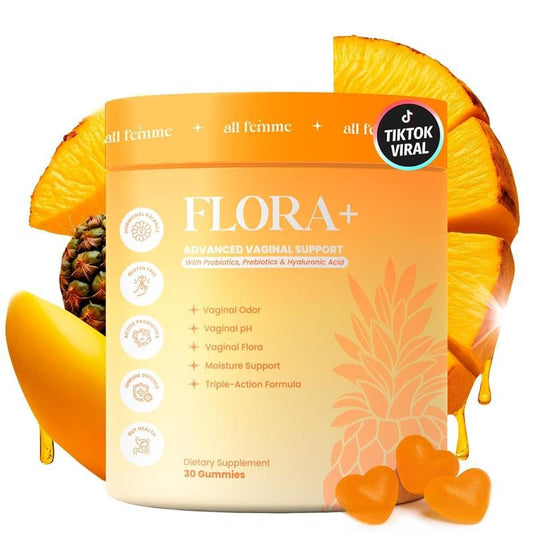
You’ll often hear aboutprobioticsand “good bacteria” likeLactobacillus. Some people use oral probiotics as a supportive habit, especially if they get recurrent symptoms or after antibiotics. They’re not a substitute for antifungal treatment during an active infection, and results vary by strain and person.
If you choose a probiotic, look for clear strain labeling, realistic storage directions, and brands with quality testing. For a curated set of options and related essentials, visitthis yeast infection essentials collection.
Essential #5 (situational): an accurate way to rule out “not yeast”
If you frequently self-treat and it doesn’t work, consider getting assessed. Some people also use at-home vaginal pH screening strips to help distinguish certain patterns (for example, bacterial vaginosis often raises pH). However, pH testing can’t diagnose yeast by itself, and normal pH does not guarantee yeast. When in doubt-especially with new symptoms-professional evaluation is safest.
What not to buy as a beginner (or use with caution)
- Antibiotics“just in case” (they don’t treat yeast and can make yeast worse)
- Scented wipes, deodorizing sprays, or harsh cleansers (common irritants)
- Essential oilsapplied to the vulva/vagina (high risk of burns and dermatitis)
- “Detox” or internal cleansing products(not recommended)
- Multiple new products at once(makes reactions harder to identify)
How to use common at-home treatments safely (step by step)
Using a product correctly matters as much as what you buy. The steps below are general and intended to help you follow the package directions with fewer surprises. Always read the label for your specific product, and ask a Canadian pharmacist if anything is unclear.
Step 1: Choose the right duration (1-, 3-, or 7-day)
Many beginners do well with a 3- or 7-day azole regimen, especially if irritation is significant. Shorter, higher-dose options can be convenient, but some people find they sting more. If you’ve been very uncomfortable, have sensitive skin, or you’re not sure, longer regimens can be gentler.
Step 2: Time it to reduce mess and improve comfort
Vaginal creams and ovules often work best when inserted at bedtime so they stay in place longer. Wear breathable underwear and consider a simple, unscented pantyliner if there’s leakage (avoid fragranced liners).
Step 3: Insert/apply as directed-don’t “double dose”
Use the applicator and amount listed. More is not better and can increase irritation. If your product includes an external itch cream, apply it only to the outside (vulva) and only as directed.
Step 4: Expect a realistic timeline
Itching may improve within 24-72 hours, but full symptom resolution can take longer. It’s common to have some ongoing irritation as inflamed skin heals. If symptoms are not improving after a few days, or they worsen, seek medical advice.
Step 5: Protect irritated skin during healing
Friction from tight leggings, certain underwear fabrics, or long periods in damp clothing can prolong discomfort. A simple barrier can help reduce chafing. Keep routines minimal and fragrance-free.
Step 6: Know about condoms and product compatibility
Some vaginal antifungal creams and suppositories are oil-based and can weaken latex condoms or diaphragms. Check the product label. If you rely on condoms for contraception or STI prevention, consider abstaining during treatment or using an alternative method recommended by a healthcare professional.
For a consolidated view of commonly used home-care items, you can reviewAriavit’s yeast infection treatment essentials.
Beginners’ scenarios: what to do in common real-life situations
If this is your first suspected yeast infection
Consider getting confirmation from a clinician or pharmacist-led assessment, especially if you’ve never had similar symptoms. First episodes are where misdiagnosis is most common. If you still choose OTC treatment, pick a well-known azole regimen and avoid stacking multiple remedies.
If symptoms started after antibiotics
Antibiotics can disrupt the vaginal microbiome, reducing protective bacteria and allowing yeast to overgrow. An OTC antifungal may be appropriate if symptoms are classic. Supportive habits (gentle hygiene, breathable clothing) matter a lot here. Some people also discuss probiotics with a pharmacist, especially if they frequently develop symptoms after antibiotics.
If you’re on your period (or it’s about to start)
Some people prefer to wait until bleeding is lighter, while others treat right away if symptoms are uncomfortable. Follow product directions; some inserts may be messier during menstruation. Avoid tampons if the product label recommends against them during treatment.
If you’re pregnant or trying to conceive
Pregnancy changes hormones and can increase yeast risk, but treatment choices should be guided by a healthcare professional. In many cases, topical azoles may be recommended, but confirm with a Canadian prenatal care provider before using any medication.
If you get yeast infections repeatedly
Recurrent symptoms (for many people, multiple episodes within a year) deserve medical evaluation. You may need a confirmed diagnosis, a longer course, or to rule out non-yeast causes (including non-albicans Candida, dermatitis, or other infections). Bring notes: timing, triggers (sweating, antibiotics, hormones), and what you used. This makes the appointment more productive.
If you have diabetes or are immunocompromised
These factors can increase risk and make infections harder to clear. Don’t tough it out at home-get medical advice early. Prompt, appropriate treatment helps reduce complications and prolonged discomfort.
Practical home-care habits that support treatment
These won’t “kill yeast” on their own, but they can reduce irritation and help prevent a cycle of ongoing inflammation.
- Keep it breathable:cotton underwear, avoid tight pants when possible, change after workouts.
- Keep it dry:yeast thrives in warm, moist areas; pat dry after bathing.
- Keep it simple:avoid fragranced products, avoid internal cleansing, use warm water externally.
- Manage friction:consider a gentle barrier on irritated external skin if rubbing is an issue.
- Pause irritants:skip hot tubs, bubble baths, and scented bath products during a flare.
If you’re building a small “just-in-case” drawer, you can exploreyeast infection home essentialsand choose one core antifungal option plus comfort support that you already know you tolerate.
When to stop self-treating and seek care in Canada
Home treatment is best for straightforward, familiar symptoms. Get medical care urgently or promptly if any of the following apply:
- Severe pain, fever, pelvic pain, or you feel unwell
- New sores/blisters, significant swelling, or rash that’s spreading
- Symptoms during pregnancy (confirm safest option)
- First episode, or you’re unsure it’s yeast
- No improvement after completing treatment, or symptoms return quickly
- Frequent recurrences
- Possible STI exposure
In Canada, you can often start by speaking with a community pharmacist for symptom triage and product guidance, and they can advise when a clinic visit is needed.
FAQ: clear answers to common beginner questions
How do I know if it’s yeast or bacterial vaginosis?
Yeast often causes intense itching and thicker white discharge with minimal odour, while bacterial vaginosis often has a stronger fishy smell and thinner discharge. That said, symptoms overlap. If you’re not sure-or OTC antifungal doesn’t help-get assessed so you’re treating the right infection.
Can I use probiotics instead of antifungal treatment?
Probiotics may support vaginal microbiome balance for some people, but they’re not a reliable substitute for antifungal treatment during an active yeast infection. If you have current symptoms, an appropriate antifungal is usually the primary treatment, while probiotics can be considered as an add-on habit if they’re suitable for you.
Is it normal to still feel irritated after the yeast is gone?
Yes. Even when yeast overgrowth is improving, the vulvar skin and vaginal tissue can remain inflamed for several days. Keep routines gentle, avoid irritants, and consider comfort measures. If symptoms persist, worsen, or change character (new odour, pain, fever), get medical advice.
Putting it all together: a simple beginner checklist
If you want a straightforward plan, here’s a beginner-friendly approach:
- Confirm symptoms are typical for yeast (or get checked if unsure).
- Choose one antifungal regimen you can follow completely (often 3- or 7-day for beginners).
- Keep external care gentle: fragrance-free, minimal products.
- Reduce moisture and friction (breathable underwear, change after sweating).
- Reassess after a few days; seek care if not improving or if symptoms are severe.
When you’re ready to explore options, you can find a curated selection ofYeast Infection Treatment Essentialsthat fit different comfort needs and experience levels.