









Snore Reduction Chin Strips
Explore chin strips designed to support a closed-mouth sleep position—an option many people consider when snoring is linked to open-mouth breathing. This collection focuses on comfortable, skin-friendly adhesion and a low-profile feel that fits naturally into a bedtime routine, whether you sleep on your back, prefer side sleeping, travel frequently, or share a bedroom where noise matters.
Chin strips are often compared with a chin strap, nasal strips, and other snore reducing aids as part of a practical approach to encourage nasal breathing and reduce vibration-related noise. Your experience can depend on factors like jaw relaxation, nighttime posture, and room conditions such as dry air or humidity. Choosing the right material and hold helps the strip stay secure while remaining breathable and gentle on skin.
How chin strips may help
During sleep, the jaw may relax and allow the mouth to open, which can increase mouth breathing and contribute to snoring. Chin strips are designed to provide light support to keep the mouth closed, potentially promoting nasal airflow. They’re a simple, non-invasive alternative for shoppers who want something lighter than bulkier devices.
- Simple nightly application and clean removal
- Low-profile design for comfort and discretion
- Useful during seasonal congestion or dry indoor air
- Pairs well with nasal strips for added support
Choosing the right option in Canada
When shopping in Canada, look for skin-friendly materials, reliable adhesion, and a fit that matches your face shape. Prices are displayed in CAD for easy budgeting. If snoring is sudden, very loud, or paired with choking, gasping, or daytime sleepiness, consider speaking with a healthcare professional to rule out sleep apnea and discuss next steps.
-
Vendor:Crest
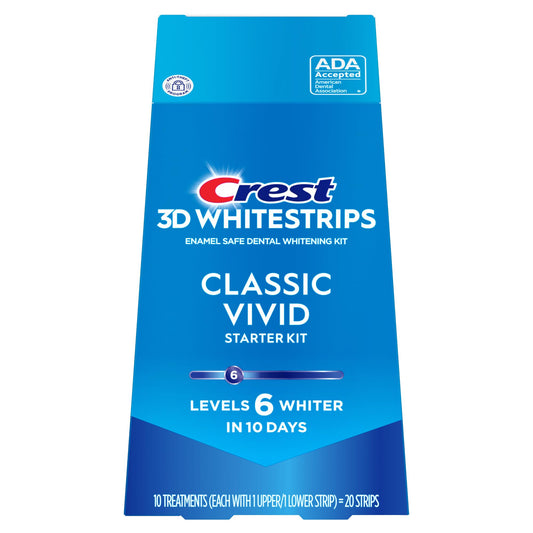
Crest 3D Whitestrips Classic Vivid – Teeth Whitening Kit (20 Strips, 10-Day) | At-Home Whitening
Brighten Your Smile at Home Transform your routine with Crest 3D Whitestrips Classic Vivid, a trusted choice from Crest—the #1 dentist-recommended brand for at‑home whitening. In about 10 days, you may notice a brighter, whiter look with a simple 30‑minute daily treatment that stays...- $75.18
- $75.18
- Unit price
- per
-
Vendor:MySmile
MySmile Teeth Whitening Strips – Hydroxyapatite-Infuse, Enamel-Safe, 21 Treatments Kit
Brighten your smile at home with MySmile Teeth Whitening StripsExperience a brighter, more confident smile at home with MySmile Teeth Whitening Strips. This kit blends a professional-grade whitening action with a gentle, enamel-safe approach, designed to lift stains from coffee, tea, and wine while...- $64.43
- $64.43
- Unit price
- per
-
Vendor:Aquasonic
AquaSonic Professional Teeth Whitening Strips | Enamel Safe, Hydrogen Peroxide, Easy & Affordable (Watermelon)
Brighten Your Smile the Easy Way Meet AquaSonic Professional Teeth Whitening Strips in Watermelon — an enamel-safe, dentist-inspired option you can use at home. The system is designed for straightforward application, a comfortable fit, and portable convenience. With 14 treatment sets for upper and...- $81.38
- $81.38
- Unit price
- per
-
Vendor:Aquasonic
AquaSonic Professional Teeth Whitening Strips – Enamel-Safe Whitening with Hydrogen Peroxide | 14 Treatments | Spearmint
Brighten safely at home with AquaSonic AquaSonic Professional Teeth Whitening Strips offer enamel-safe whitening powered by a dentist-style formulation, using hydrogen peroxide to tackle surface stains. The kit includes 14 treatment sets for upper and lower teeth (28 strips total), designed for a secure...- $81.38
- $81.38
- Unit price
- per
-
Vendor:Pdoo
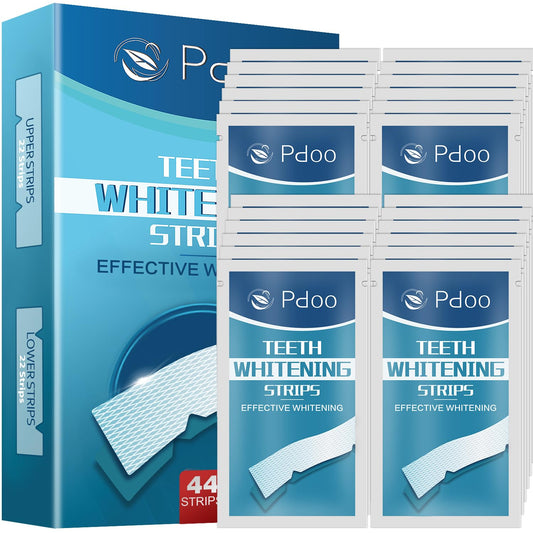
Pdoo Teeth Whitening Strips – 22 Treatments, 44 Non-Slip Strips for Sensitive Teeth
A practical, comfortable whitening solution Meet Pdoo Teeth Whitening Strips, crafted to fit into busy days while helping brighten your smile. This kit bundles 22 treatment sets (44 strips total) and uses professional whitening ingredients designed to address common discoloration from daily habits such...- $71.32
- $71.32
- Unit price
- per
-
Vendor:MySweetSmile
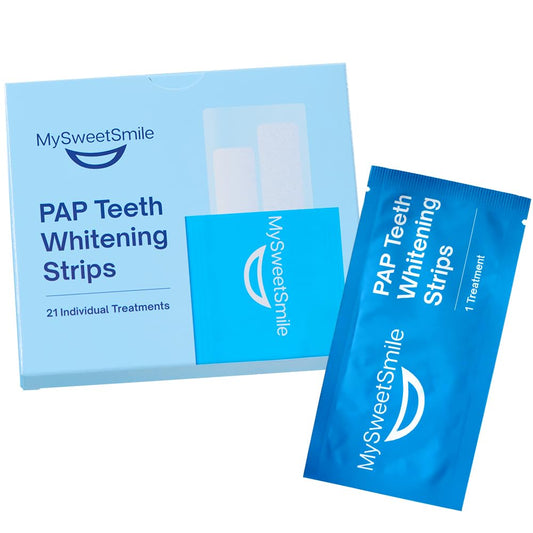
MySweetSmile Teeth Whitening Strips – 21 Treatments, 7 Days to Whiter Teeth – Enamel-Safe & Dentist-Approved – IndyBest Award-Winning Brand
Brighten your smile with a dentist-approved, enamel-safe approach MySweetSmile Teeth Whitening Strips offer a peroxide-free whitening path powered by our Advanced PAP Formula. They lift deep-set stains from coffee, tea, red wine, smoking, and age-related yellowing—without irritation or enamel damage. Inside the 21-treatment box,...- $81.46
- $81.46
- Unit price
- per
-
Vendor:Sinsational Smile
Sinsational Smile Teeth Whitening Strips – 28 Strips, No Sensitivity, Enamel Safe, Fast Results
Effortless at-home whitening with Sinsational Smile Achieve a brighter smile with 28 whitening strips that deliver 14 treatment sessions, designed for simple use without LED lights. The strips feature a no-slip, ultra-adhesion design that stays in place as you follow your routine, making whitening...- $81.38
- $81.38
- Unit price
- per
-
Vendor:Aquasonic
Aquasonic Professional Teeth Whitening Strips – Enamel Safe Whitening with Hydrogen Peroxide, 14 Treatments
Elevate Your Smile at Home With Aquasonic Professional Teeth Whitening Strips, you can pursue a brighter look from the comfort of your own routine. The kit contains 14 treatment sets (28 strips total) for both upper and lower teeth, plus a shade card to...- $81.38
- $81.38
- Unit price
- per
-
Vendor:Whitebite Pro
Whitebite Pro Natural PAP Teeth Whitening Strips | Pineapple & Coconut Enzyme
Brighten Your Smile with Whitebite Pro PAP Strips Whitebite Pro Natural PAP Teeth Whitening Strips offer a gentle, enamel-friendly approach that leverages a pineapple and coconut enzyme formula. The combination of PAP and bromelain targets surface stains from daily coffee, tea, and wine while...- $77.41
- $77.41
- Unit price
- per
-
Vendor:Opalescence
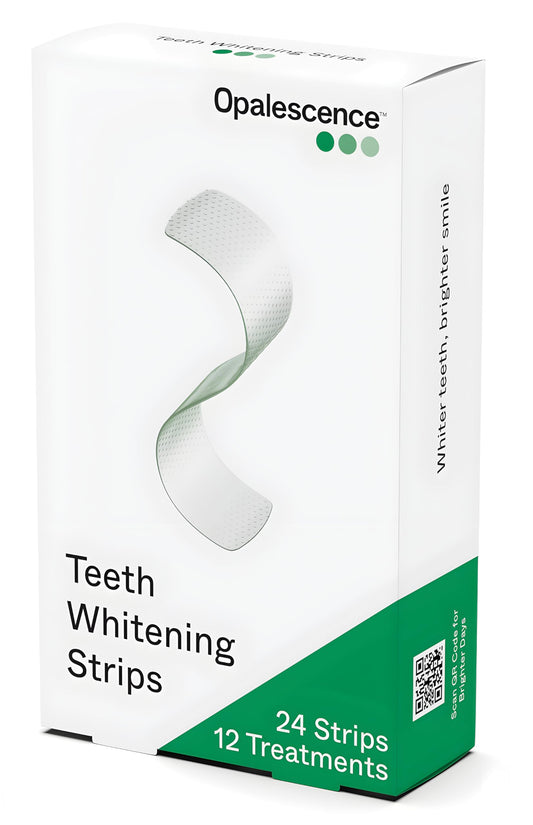
Opalescence Teeth Whitening Strips – 12 Treatments, 10% Hydrogen Peroxide, Enamel Safe, Slip-Free | Includes Bamboo Toothbrush
Brighten with Opalescence Go Strips Opalescence Go Teeth Whitening Strips bring dentist-grade whitening to your home. Each box contains 24 strips (12 upper, 12 lower), delivering 12 complete treatments. The formula uses the same enamel-safe hydrogen peroxide that professionals rely on, designed to address...- $79.46
- $79.46
- Unit price
- per
-
Vendor:PurelyWHITE DELUXE
PurelyWHITE DELUXE Purple Whitening Strips | Peroxide-Free, Enamel-Safe Whitening (28 Strips)
Illuminate Your Smile with PurelyWHITE DELUXE Purple Whitening StripsTransform your at-home whitening routine with a purple-tinted formula designed to work with your natural enamel. PurelyWHITE DELUXE Purple Whitening Strips use color-correction technology to subtly neutralize yellow tones while delivering a gentle whitening experience. Each...- $79.46
- $79.46
- Unit price
- per
-
Vendor:SNOW
Snow DiamondSeries Whitening Strips 14 CT – At-Home Brightening
Brighten your smile with Snow DiamondSeries Whitening Strips Snow DiamondSeries Whitening Strips arrive as a 14 count kit designed for convenient at home use. The transparent, flexible strips adhere to the surface of your teeth, delivering a light and refreshing experience through a minty...- $74.39
- $74.39
- Unit price
- per
-
Vendor:Generic
Purple Teeth Whitening Strips | Gentle Daily Whitening for Surface Stains | 2-Pack (14 Strips)
Overview Meet a practical, everyday whitening option designed for simple routines. The Generic Purple Teeth Whitening Strips use a gentle purple formula intended for daily oral care, combining comfort with a polished-looking result. Each strip adheres securely to the tooth surface, offering a light,...- $87.55
- $87.55
- Unit price
- per
-
Vendor:Generic
Generic Veneers for Women and Dentures for Men – Shiny Smile Veneers
Elevate your look with ready to wear veneers and dentures Designed for both men and women, this versatile set supports confidence across everyday moments and special occasions. Whether you are getting ready for a wedding, preparing for a lecture, or stepping into a party,...- $77.41
- $77.41
- Unit price
- per
-
Vendor:La Bouche Natural
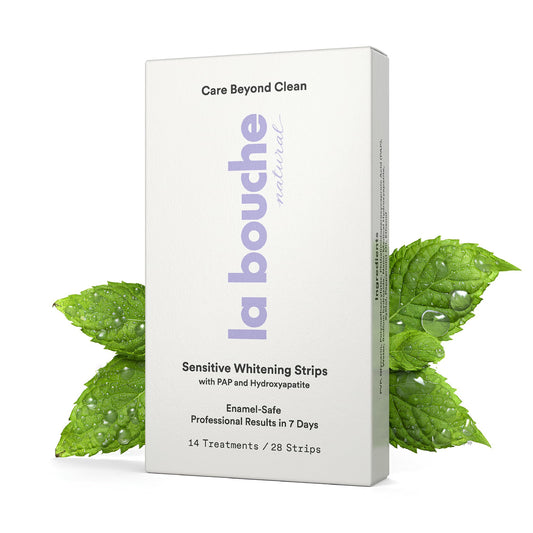
La Bouche Natural Sensitive Whitening Strips – Enamel-Safe, Peroxide-Free, Fresh Mint, 14 Treatments
Gentle whitening for sensitive smiles La Bouche Natural Sensitive Teeth Whitening Strips are crafted to brighten without relying on peroxide. The formula features PAP, a non-peroxide whitening agent, paired with hydroxyapatite to support enamel strength and remineralization. For those with sensitive teeth, the approach...- $77.41
- $77.41
- Unit price
- per
-
Vendor:La Bouche Natural
La Bouche Natural Teeth Whitening Strips – 14 Treatments, Maximum Whitening Power, Fresh Mint
Refreshingly simple, at-home whitening with minty comfort La Bouche Natural Teeth Whitening Strips bring professional-style whitening into your everyday routine with a straightforward, discreet format. The kit includes 14 treatments designed for a steady cadence that could brighten over time. The 6% hydrogen peroxide...- $77.41
- $77.41
- Unit price
- per
-
Vendor:La Bouche Natural
La Bouche Natural Charcoal Teeth Whitening Strips – 14 Treatments, Peroxide Free
Meet La Bouche Natural Charcoal Teeth Whitening Strips, a peroxide-free option designed to lift surface stains with a plant-based formula. The kit includes 14 treatments, creating a simple daily routine that fits into busy lives while prioritizing comfort and ease. Plant-based whitening with bamboo...- $79.21
- $79.21
- Unit price
- per
-
Vendor:Primal Life Organics
Primal Life Organics Real White Teeth Whitening Strips – All-Natural, Peroxide-Free (28 Strips, 14 Treatments)
Brighten your smile, naturally Discover a healthier approach to whitening with Primal Life Organics Real White Teeth Whitening Strips. This peroxide-free, all-natural option focuses on gentle care while aiming to lift stains and maintain brightness over time. The formula blends lemon peel oil with...- $71.28
- $71.28
- Unit price
- per
-
Vendor:POOOF!
POOOF! by Dr. Bill Dorfman — Dissolving Teeth Whitening Strips (12% Hydrogen Peroxide) | Zero Sensitivity, Fresh Mint
Whiten Anywhere, Anytime POOOF! by Dr. Bill Dorfman introduces a dissolving-teeth whitening strip system designed for busy lives. No trays, no messy cleanup—just apply, wait 15 minutes, and watch the strips vanish. A 12% hydrogen peroxide formula offers a professional-style brightness while you go...- $73.27
- $73.27
- Unit price
- per
-
Vendor:Easyes
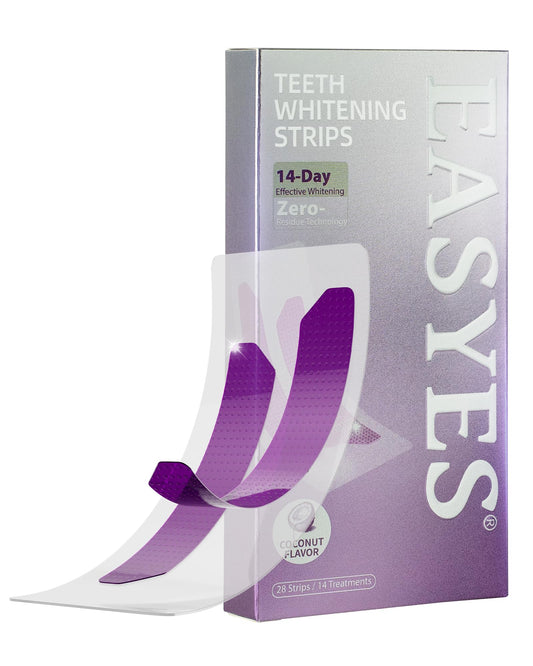
Easyes Purple Teeth Whitening Strips – Hydroxyapatite-Infused No-Sensitivity Whitening (28 Strips, 14 Treatments)
Color-Correcting Whitening for a Brighter Smile Discover a color-correcting approach with Easyes Purple Teeth Whitening Strips. The formula blends a Color Correction Essence with 6% hydrogen peroxide to neutralize yellow tones and lift deeper stains, offering an instantly brighter baseline while caring for enamel....- $71.32
- $71.32
- Unit price
- per