
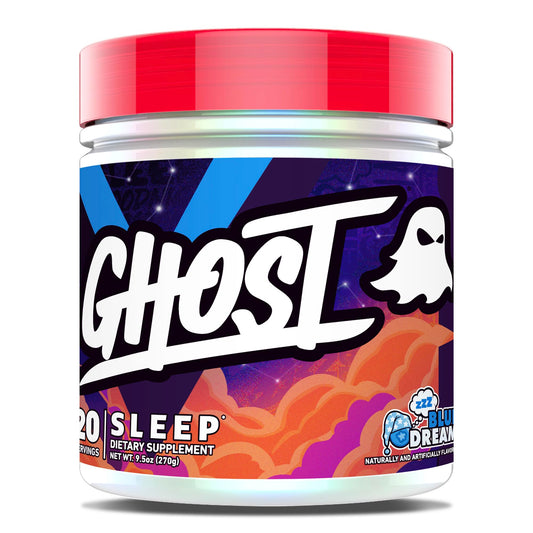




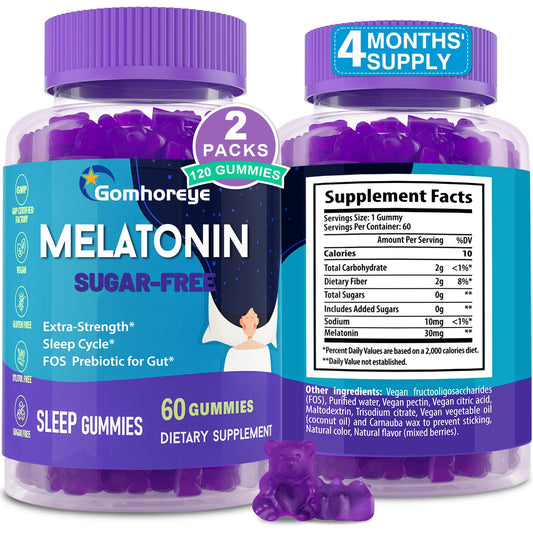




Budget herbal & nutritional sleep supplements under $25 in Canada (melatonin, magnesium, valerian)?

When you’re trying to improve sleep without overspending, it helps to compare approaches-not just products. In Canada, many commonherbalandnutritionalingredients are widely available, and a “best” pick often depends on whether you struggle withfalling asleep,staying asleep, or waking up feeling unrefreshed. This article focuses onHerbal & Nutritional Sleep Supplements on a budget(often under $25, depending on format, count, and retailer) and how to choose between key categories:melatonin,magnesium, andvalerian-plus a few supporting options that frequently show up inNutritional Sleep Supplements.
If you’d like to browse a curated range of options, you can explore Ariavit’s sleep collection here:Herbal & Nutritional Sleep Supplements collection.
Important:Sleep supplements can interact with medications or be unsuitable for certain situations (pregnancy/breastfeeding, children/teens, epilepsy, autoimmune conditions, mood disorders, liver disease, etc.). If you’re unsure, ask a pharmacist, nurse practitioner, or family doctor-especially if you take sedatives, antidepressants, anticoagulants, or blood pressure medication. Also, persistent insomnia, loud snoring, gasping, restless legs, or daytime sleepiness can signal conditions like sleep apnea that deserve medical assessment.
Quick vs: budget-friendly sleep supplement approaches
Below is a practical, consumer-first vs of common approaches in Canada. Prices fluctuate, but these categories often have options that can come in under $25-especially in smaller bottle sizes, basic formulas, or store brands.
- Melatonin:Best for sleep timing (jet lag, shift work, delayed sleep phase). Often used for troublefallingasleep.
- Magnesium (glycinate/citrate):Best for relaxation, muscle tension, stress support, or if diet may be low in magnesium. Can support sleep quality for some people.
- Valerian root:A traditional herbal option for calming and occasional sleeplessness. Some people find it helpful for nighttime restlessness.
- L-theanine:An amino acid often used for “wired but tired” evenings and stress-related sleep disruption.
- Chamomile / lemon balm / passionflower:Gentle botanicals used for wind-down routines and mild anxiety.
- GABA and 5-HTP:Common in sleep blends; more situational and not ideal for everyone (e.g., medication interactions).
- Combination formulas:Convenient, but may include ingredients you don’t need or doses that don’t match your preferences.
To see a range of single-ingredient and blended options, visit:sleep support supplements.
How to choose based on your sleep pattern (and keep it budget-friendly)
A helpful way to avoid buying the “wrong” bottle is to match the ingredient to your most common sleep scenario. Consider these common profiles:
1) “I can’t fall asleep” (sleep onset insomnia)
You may be dealing with late-night alertness, irregular schedule, blue light exposure, or a circadian timing issue.Melatoninis often the most targeted option for sleep timing;magnesium glycinateorL-theaninemay help if stress/tension is a driver.
2) “I fall asleep, but I wake up at 3 a.m.” (sleep maintenance)
This can be influenced by stress, alcohol, room temperature, or early-morning light. Some people do better with a calming botanical routine (e.g.,valerianorlemon balm), or a magnesium form that’s easy on the stomach. It’s also worth reviewing evening caffeine (including tea, cola, chocolate) and late workouts.
3) “I sleep, but I don’t feel rested”
Sleep quality can be affected by sleep apnea, restless legs, reflux, or poor sleep hygiene. Supplements may help modestly, but addressing underlying factors matters more. If you snore loudly or wake up gasping, consider talking to a clinician.
4) “My schedule changes” (jet lag / shift work / late nights)
Melatonin is the most commonly used tool here, paired with consistent light exposure habits.
Budget tip:Start withoneprimary ingredient aligned to your goal (timing vs relaxation vs herbal calm). Combination products can be useful, but they can also make it harder to know what’s helping-and may cost more per serving.
Browse a variety of approaches here:herbal and nutritional sleep options.
Melatonin: best for sleep timing and jet lag
What it is:Melatonin is a hormone your body produces in response to darkness. As a supplement, it’s commonly used to support circadian rhythm-your internal sleep-wake clock.
Who it tends to suit:
- People with a delayed schedule (night owl pattern)
- Jet lag travellers crossing time zones
- Shift workers trying to sleep at unusual hours
- Those who mainly struggle with falling asleep
Pros:
- Targeted for sleep timing (circadian support)
- Often available in low-cost formats (tablets, sublinguals, gummies)
- Many people prefer low doses and simple single-ingredient formulas
Cons / watch-outs:
- Can cause vivid dreams, grogginess, or headache for some
- Not always the best fit for frequent night awakenings
- Timing matters: taking it too late can shift your morning
- Check suitability if pregnant/breastfeeding or for children-seek medical advice
Budget-friendly guidance:If you’re experimenting, consider starting with a low-dose option and avoid buying a large multi-bottle bundle until you know how you respond. Also decide whether you wantimmediate release(sleep onset) versusextended release(sleep maintenance), since format affects feel and value.
Looking for melatonin-containing choices alongside other Nutritional Sleep Supplements? Explore:sleep supplements selection.
Magnesium: relaxation support (especially if stress or muscle tension is involved)
What it is:Magnesium is an essential mineral involved in nerve function, muscle relaxation, and many biochemical pathways. For sleep, people often use it to support relaxation, ease muscle tension, and promote a calmer bedtime state.
Common forms you’ll see in Canada:
- Magnesium glycinate:Often chosen for gentleness and calming support.
- Magnesium citrate:Common and budget-friendly; may have more digestive effects for some.
- Magnesium oxide:Usually inexpensive; often used for magnesium intake but may be less tolerated by sensitive stomachs.
- Magnesium L-threonate:Popular online, typically pricier; not always the “under $25” choice.
Who it tends to suit:
- People who feel physically tense at night
- Those with stress-related sleep disruption
- People who suspect their diet is low in magnesium (limited leafy greens, nuts, legumes)
- Those who want a nutritional (non-hormonal) approach
Pros:
- Supports relaxation and may help with nighttime muscle tightness
- Pairs well with other gentle herbal wind-down habits
- Widely available in straightforward, budget options
Cons / watch-outs:
- Can cause loose stools (especially citrate/oxide), which can disrupt sleep
- Not a “knockout” supplement-effects can be subtle
- May interact with certain medications (e.g., some antibiotics, thyroid meds) if taken too close together
Budget-friendly guidance:If digestion is sensitive, a slightly higher-cost but better-tolerated form (often glycinate) may actually be better value than a cheap bottle you can’t use consistently. If constipation is a concern, citrate may be a dual-purpose pick-but start low to assess tolerance.
To compare magnesium options alongside other herbal and Nutritional Sleep Supplements, see:Ariavit sleep supplement collection.
Valerian root: traditional herbal support for occasional sleeplessness
What it is:Valerian (Valeriana officinalis) is a well-known herbal ingredient used traditionally for relaxation and sleep support. It’s often taken as capsules, tablets, or tinctures.
Who it tends to suit:
- People who want an herbal approach rather than melatonin
- Those whose sleep issues feel linked to nervous tension
- People looking for a bedtime routine supplement (often alongside calming tea)
Pros:
- Classic herbal option with long history of traditional use
- Often available as simple single-ingredient capsules under modest budgets
- May feel “calming” rather than sleep-timing focused
Cons / watch-outs:
- Smell/taste can be strong
- May cause next-day drowsiness in some
- Can interact with sedatives or alcohol; avoid combining without guidance
- Not ideal for everyone-check with a clinician if you have medical conditions or take medications
Budget-friendly guidance:Valerian can be a good value if you prefer herbs and tolerate the flavour/scent. If you dislike it, consider gentler botanicals like chamomile or lemon balm instead of forcing a product you won’t take consistently.
Other budget-friendly ingredients you’ll see in sleep blends (and when they make sense)
In Canada, many “sleep blends” combine multiple ingredients. These can be convenient, but they’re not always the most cost-effective if you only need one specific mechanism. Here are common add-ons and what they’re typically used for:
L-theanine:Often used for a calm mind, especially when evening anxiety or overthinking is the issue. It’s common in nutritional sleep supplements and can be paired with magnesium.
Chamomile, lemon balm, passionflower:Gentle herbal options that fit a wind-down routine. They’re popular for people who want mild calming without melatonin. (They also pair well with lifestyle habits like a warm shower and dim lighting.)
Glycine:An amino acid sometimes used in nighttime formulas for sleep quality support. It’s typically subtle and works best alongside consistent sleep hygiene.
GABA:Common in blends marketed for relaxation. Effects vary; it may not be ideal for everyone, especially if you’re sensitive to sedating ingredients.
5-HTP:Sometimes included for mood/sleep support. It can interact with antidepressants and other serotonergic medications-so it’s a “check with a clinician” ingredient.
Adaptogens (e.g., ashwagandha):Often used for stress support; some people find it helpful in the evening, while others prefer it earlier in the day. Suitability varies based on health history and medications.
Real-life scenarios: which option is the best “under $25” starting point?
Because budgets matter, it’s smart to start with the most targeted, simplest option for your main issue. Here are practical picks by scenario:
Scenario A: Jet lag from Toronto to Vancouver (or overseas travel)
Consider melatonin for a few nights alongside light management (morning light exposure at the destination, dim lights at night). This is one of the clearest use cases for melatonin.
Scenario B: Busy parent who gets a short evening window to unwind
A gentle magnesium (often glycinate) can support relaxation without changing sleep timing. Pair with a consistent “screens off” buffer, even if it’s only 20-30 minutes.
Scenario C: Student with racing thoughts before bed
L-theanine (alone or in a simple blend) may help with mental calm. If you’re also tense, magnesium can complement it. Watch late-day caffeine from coffee, energy drinks, and pre-workout products.
Scenario D: Light sleeper waking easily
Herbal options like valerian or lemon balm may feel supportive, but also evaluate environmental factors: room temperature, noise, and early-morning light. A white noise machine and blackout curtains can be better value than adding more capsules.
Scenario E: Active adults with nighttime cramps or tight muscles
Magnesium is often the first nutritional approach people try. If digestion is sensitive, choose a form that’s easier to tolerate, even if it slightly stretches the budget.
How to read labels and avoid wasting money
Even when you’re keeping spend low, label details matter. A few quick checks can prevent disappointment:
- Single ingredient vs blend:Single ingredients are easier for figuring out what works and can be more economical.
- Release format:Immediate vs extended release matters most for melatonin.
- Serving size:A “cheap” bottle can cost more per night if it requires multiple capsules.
- DIN/NPN:In Canada, many natural health products carry an NPN (or DIN-HM) showing they’ve been licensed. This doesn’t guarantee it works for you, but it can be a useful quality signal.
- Allergens and sweeteners:Gummies can be convenient but may include sugars/sugar alcohols or flavours that some people prefer to avoid.
If you want to compare different formats (capsules, tablets, gummies, blends), browse:herbal & nutritional sleep supplements.
Pros and cons summary: melatonin vs magnesium vs valerian
Melatonin
Best for:sleep timing, jet lag, shift work, falling asleep
Pros:targeted, widely available, often low-cost
Cons:timing-sensitive; can cause vivid dreams/grogginess for some
Magnesium
Best for:relaxation, muscle tension, stress support, overall sleep quality support
Pros:nutritional approach; pairs well with lifestyle changes
Cons:digestive tolerance varies by form; not always fast-acting
Valerian
Best for:traditional herbal calming, occasional sleeplessness, bedtime wind-down
Pros:classic herb; simple formulas can be budget-friendly
Cons:strong smell/taste; may be sedating for some; interaction cautions
Simple, low-cost sleep habits that make supplements work better
Supplements tend to work best when your baseline routine supports sleep biology. These are low-cost (often free) changes that can improve results:
- Consistent wake time:Even if bedtime varies, a steady wake time helps regulate circadian rhythm.
- Light exposure:Get outdoor light in the morning; dim lights 1-2 hours before bed.
- Caffeine cutoff:Many people sleep better with caffeine only before noon (individual sensitivity varies).
- Cool, dark room:Temperature and blackout can reduce wake-ups.
- Alcohol awareness:Alcohol can worsen sleep quality and increase early awakenings.
- Wind-down ritual:A short routine (stretching, reading, warm shower) cues your nervous system.
FAQ
Is melatonin the cheapest option for sleep in Canada?
Often, yes-basic melatonin tablets can be very budget-friendly. But the “best value” depends on your goal: if stress tension is the real issue, magnesium or an herbal approach may be a better fit for you.
What’s a good choice if I want an herbal sleep supplement without melatonin?
Valerian is a common traditional option, and gentler herbs like chamomile, lemon balm, or passionflower are also popular for a calming bedtime routine. If you take medications or have health conditions, check with a pharmacist or clinician first.
Wrap-up: picking the right budget option
ForHerbal & Nutritional Sleep Supplements on a budget, start by matching the ingredient to your main sleep challenge: melatonin for timing and jet lag, magnesium for relaxation and muscle tension, and valerian for a traditional herbal calm. Keep it simple, track your sleep for a week or two, and adjust based on how you feel-because the most affordable supplement is the one you’ll actually use consistently and tolerate well.
When you’re ready to compare options in one place, you can browse Ariavit’s collection here:shop sleep support naturally.