









How do I use herbal & nutritional sleep supplements timing, doses, and tips for better sleep?

Herbal & Nutritional Sleep Supplements how to tips usually come down to three things:whatyou take (ingredient and form),whenyou take it (timing), andhow consistentlyyou use it (routine). If you’re in Canada and trying to improve sleep quality-whether you’re dealing with a busy mind at bedtime, frequent wake-ups, jet lag, or shift work-this article walks you through practical technique-based steps to use common sleep supplements more effectively and safely.
If you’d like to browse options while you read, here are a few helpful links to Ariavit’s sleep collection:herbal & nutritional sleep supplements,sleep support collection,natural sleep aids,bedtime supplement options,Nutritional Sleep Supplements, andsleep supplements for occasional insomnia.
First, match the supplement to your sleep goal
“Sleep” isn’t one problem. Start by choosing your target, then pick an ingredient (or a simple combo) that fits. This reduces trial-and-error and helps you time doses properly.
- Trouble falling asleep (sleep onset):calming botanicals (for example, valerian root, passionflower, chamomile, lemon balm), L-theanine, low-dose melatonin (as appropriate), magnesium glycinate.
- Waking up during the night (sleep maintenance):magnesium glycinate, glycine, sustained-release melatonin (when suitable), calming herbal blends used consistently.
- Stress or racing thoughts:L-theanine, magnesium, relaxing herbal teas/extracts; consider daytime stress techniques too.
- Jet lag / schedule shifts:melatonin timing strategy, light exposure plan, short-term routine support.
- Muscle tension or cramps:magnesium (form matters), hydration, evening wind-down.
Common product types you’ll see include capsules, tablets, softgels, tinctures, gummies, and powders (like magnesium or glycine). Some people prefer fast-acting liquids for bedtime; others do best with a simple capsule routine they can repeat nightly.
Timing techniques: when to take common sleep ingredients
Timing changes how an ingredient feels. Below are practical starting windows used by many consumers. Always follow the product label first, and if you’re pregnant, breastfeeding, managing a medical condition (like depression, epilepsy, sleep apnea, or thyroid disease), or taking prescriptions, check with a pharmacist or clinician before starting.
Melatonin (for circadian rhythm, jet lag, shift work)
Typical timing:30-90 minutes before your target bedtime. For jet lag, timing depends on the direction of travel and your desired bedtime at destination.
Technique tip:use melatonin to “nudge the clock,” not as a heavy sedative. Keep lights low after taking it-bright light can counteract your sleep signal.
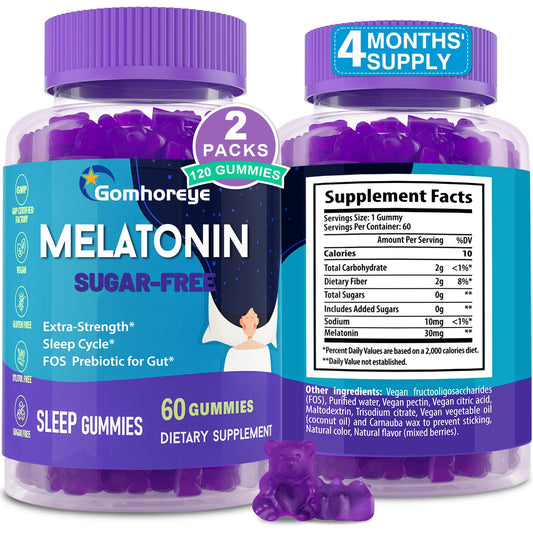
Common dose range:many adults start low (often 0.3-1 mg) and adjust if needed; some products offer higher amounts. More isn’t always better, and higher doses can increase next-day grogginess or vivid dreams in some people.
Magnesium (relaxation, muscle tension, overall sleep quality)
Typical timing:with dinner or 1-2 hours before bed. If it upsets your stomach, take it with food earlier in the evening.
Technique tip:choose a gentle form for bedtime routines (often magnesium glycinate). Magnesium citrate can be more laxative for some people-useful for constipation, less ideal if it disrupts sleep.
Common dose range:varies widely by product; many bedtime routines land around 100-300 mg of elemental magnesium, but labels differ-check “elemental magnesium” on the supplement facts.
L-theanine (quieting mental chatter)
Typical timing:30-60 minutes before bed, or earlier in the evening if stress ramps up after work.
Technique tip:pair with a screen-free wind-down (reading, stretching, breathing). If you take caffeine late, L-theanine may not fully cancel it.
Common dose range:often 100-200 mg in evening formulas, though products vary.
Glycine (sleep depth and temperature regulation)
Typical timing:30-60 minutes before bed.
Technique tip:keep it simple-glycine is often taken as a powder mixed into water. If taste bothers you, try mixing into a small amount of warm water or a caffeine-free herbal tea.
Common dose range:many studies use around 3 g; consumer products may differ.
Valerian, passionflower, chamomile, lemon balm (herbal calm)
Typical timing:30-60 minutes before bed for extracts/capsules; 60-90 minutes for tea (to allow a full wind-down and a bathroom break before sleep).
Technique tip:herbal effects can be subtle. Give a consistent trial (for example, 1-2 weeks) unless you notice side effects sooner.
Common dose range:depends heavily on the extract strength and format-follow the label. Avoid mixing multiple sedating herbs at high doses without guidance.
Dose techniques: how to find your “lowest effective” routine
A practical way to use Nutritional Sleep Supplements is to find thelowest effective dosethat helps your sleep without next-day fog.
Step-by-step technique:
- Start with one core ingredientthat matches your main issue (for example, magnesium glycinate for tension; melatonin for jet lag; L-theanine for racing thoughts).
- Start low(especially with melatonin and multi-ingredient blends).
- Hold steady for 3-7 nightsbefore changing anything (unless you have side effects).
- Adjust one variable at a time:timing first, then dose, then consider adding a second ingredient if needed.
- Track 3 data points:time to fall asleep, number of awakenings, and how you feel at 10 a.m. (refreshed vs. groggy).
If you’re choosing a blend, look for transparent labels that list each ingredient amount. Avoid “mega-dosing” multiple sedating ingredients at once-especially if you’ll drive early the next morning.
Better sleep results: stack supplements with sleep hygiene
Supplements work best when they support a routine that protects your circadian rhythm. These are simple, Canada-friendly habits that often make a noticeable difference:
- Light:get outdoor morning light within an hour of waking; dim lights 1-2 hours before bed.
- Caffeine:consider a cutoff 8-10 hours before bedtime (caffeine half-life varies by person).
- Alcohol:even if it helps you feel sleepy, it can worsen night wakings and REM sleep quality.
- Temperature:a cooler bedroom often helps; many people sleep well around 17-19°C.
- Meals:finish heavy meals 2-3 hours before bed; a light snack can be okay if you wake hungry.
- Consistency:keep wake time steady, even on weekends, to reduce “social jet lag.”
For people with loud snoring, gasping, or extreme daytime sleepiness, consider screening for sleep apnea-supplements won’t solve airway issues. If insomnia is persistent (most nights for 3+ months), cognitive behavioural therapy for insomnia (CBT-I) is a strong evidence-based option to discuss with a healthcare professional.
People also ask: herbal & nutritional sleep supplements timing and tips
How long before bed should I take sleep supplements?
Most calming herbs, L-theanine, and glycine are commonly taken 30-60 minutes before bed. Magnesium is often taken with dinner or 1-2 hours before bed. Melatonin is usually 30-90 minutes before your target bedtime, depending on your goal.
Can I take melatonin every night?
Some people use melatonin short-term for jet lag or schedule shifts; others use it longer under clinician guidance. If you need it nightly for weeks, it’s worth reviewing timing, dose (often lower works better), and underlying sleep habits with a pharmacist or healthcare provider.
What’s the best supplement for waking up at 3 a.m.?
Frequent night waking can relate to stress, temperature, alcohol, late caffeine, or blood sugar swings. Magnesium glycinate or glycine may support sleep continuity for some people; certain melatonin formats may help others. If it’s persistent, focus on root causes and consider professional support.
Do herbal sleep supplements work right away?
Some people feel calming effects the first night; others need consistent use for 1-2 weeks. Herbal extracts can be subtle, and results are usually stronger when paired with a wind-down routine and reduced evening light.
Is it okay to combine magnesium and melatonin?
Many adults combine them, but start low and introduce one at a time so you can tell what helps. If you take medications or have a medical condition, ask a pharmacist first-especially if you’re also using other sedating supplements.
What if sleep supplements make me groggy the next day?
Try lowering the dose, taking it earlier, or simplifying your stack (fewer ingredients). Also check for hidden sedatives in multi-ingredient blends. If grogginess continues, stop and speak with a healthcare professional.
Which form is better: tea, capsule, or tincture?
Tea supports a calming routine and hydration, capsules are convenient and consistent, and tinctures may feel faster for some people. Choose the format you’ll use regularly and that fits your evening habits.
Simple routines you can try (pick one)
These are example techniques, not medical instructions-always follow your product label and personal medical advice.
Routine A: busy mind at bedtime
30-60 minutes before bed: L-theanine + a short breathing exercise (4-6 slow breaths per minute for 5 minutes). Keep lights low and avoid doomscrolling.
Routine B: tension + restlessness
With dinner: magnesium glycinate. Before bed: 10 minutes of gentle stretching and a warm shower. If you’re still wired, consider adding a calming herbal extract per label.
Routine C: jet lag / shifting schedule
Target destination bedtime: take a low-dose melatonin 30-90 minutes prior for a few nights, and get bright outdoor light at the new “morning.” Avoid bright light late evening.
If you’re exploring ingredient combinations, browse thesleep-friendly herbal and nutritional options hereand compare labels for ingredient amounts and suggested use.
Safety notes (especially important for families)
Sleep supplements are not one-size-fits-all. Use extra caution if you’re:
- Pregnant or breastfeeding:many herbs haven’t been well studied-ask your healthcare provider.
- Buying for teens or kids:consult a pediatric clinician first; keep all supplements out of reach.
- On medications:especially sedatives, antidepressants, blood pressure meds, blood thinners, or seizure medications-ask a pharmacist about interactions.
- Managing chronic conditions:anxiety disorders, bipolar disorder, autoimmune conditions, kidney disease (magnesium considerations), or sleep apnea.
Stop use and seek medical advice if you experience troubling side effects (for example, dizziness, severe daytime drowsiness, palpitations, or mood changes). For persistent insomnia, consider a clinician-led plan that may include CBT-I, evaluation for restless legs syndrome, iron status, or sleep-disrupting medications.
Mini FAQ
How do I know if I should take supplements daily or only as needed?
If your issue is occasional (like travel, an unusually stressful week, or a late event), “as needed” may be enough. If your sleep is consistently off, a daily routine for 2-4 weeks can make it easier to evaluate what helps-then reassess and simplify.
What should I look for on a sleep supplement label in Canada?
Look for clear ingredient amounts, serving size, suggested timing, and cautions (including drowsiness warnings). Prefer products with straightforward formulas and avoid overlapping sedating ingredients unless you’ve tested them carefully.
When you’re ready to explore options, theAriavit CA sleep supplement collectionis a helpful place to compare herbal and nutritional formats, from magnesium and melatonin to calming botanical blends.
Sources & expertise note:This article is educational and based on common supplement label guidance, established sleep hygiene principles, and widely discussed ingredient uses (for example, melatonin for circadian rhythm support; magnesium for relaxation). It isn’t a substitute for personal medical advice. For individualized guidance, a Canadian pharmacist is an excellent first stop for supplement timing and interaction checks.