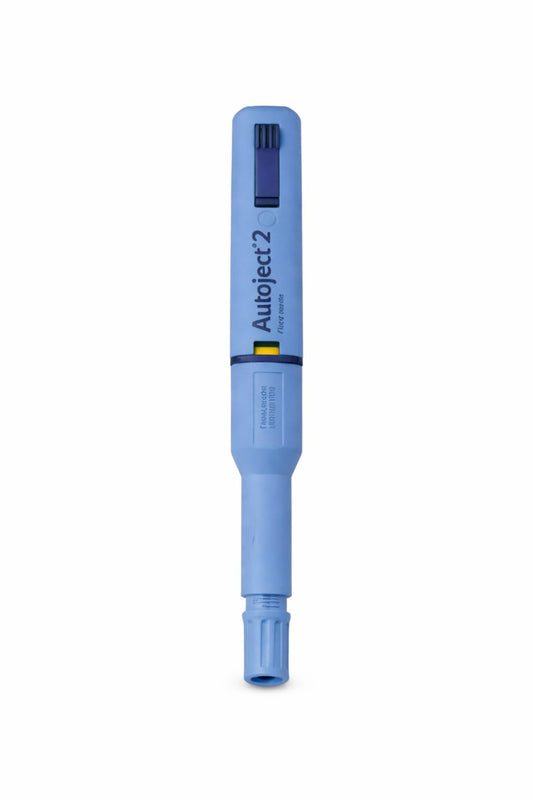











Sterile blood lancets collection options on a budget for home testing ?

When you’re doing home testing-whether that’s checking blood glucose, following a wellness plan, or supporting a clinician-directed routine-small consumables add up quickly. Lancets are one of those essentials: you want themsterile, dependable, and compatible with your lancing device, but you also want to stay on budget.
Sterile Blood Lancets Collection on a budget is the focus of this guide.
This article compares practical, budget-aware ways Canadians shop aSterile Blood Lancets Collectionfor home use. You’ll see the main options, what typically changes the experience (gauge, coating, compatibility, and packaging), and how to choose based on comfort, frequency, and device type-without overspending.
If you prefer to browse a curated range in one place, you can explore Ariavit’s selection here:Sterile Blood Lancets Collection.
What “on a budget” should still include (non-negotiables)
Budget-friendly shouldn’t mean risky. For home finger-prick testing, the baseline expectations are straightforward:
- Sterile, single-use lancetswith sealed packaging (helps reduce contamination risk).
- Correct fitfor your lancing device (universal vs brand-specific designs).
- Appropriate gauge(higher gauge is usually thinner; comfort can vary by person).
- Consistent manufacturing(reliable needle sharpness and smoothness can affect comfort).
- Clear labelingso you know gauge, count, and intended device compatibility.
Those points matter regardless of whether you’re buying a small box for occasional checks or stocking up for daily monitoring. The goal is to stretch your dollar while keeping a routine that’s safe, comfortable, and realistic to maintain.
vs: top budget-friendly approaches to building a Sterile Blood Lancets Collection
There isn’t one perfect option-there are trade-offs. Here are the most common approaches Canadian consumers use to keep aSterile Blood Lancets Collection on a budgetwhile still meeting practical needs.
Approach 1: Universal twist-top lancets (often the simplest low-cost path)
What they are:Widely compatible lancets that fit many standard lancing devices. They’re usually easy to find and available in multi-packs.
Pros:
- Often lower cost per lancet when purchased in larger counts.
- Easy to replace and store; good for routine use.
- Common gauges available (for example, a thinner gauge for those who prioritize comfort).
Cons:
- Not truly “universal” for every device-some systems need brand-specific lancets.
- Comfort can vary across batches/brands; coating and beveling aren’t identical.
Best for:People using a standard lancing device who want an affordable, straightforward restock routine.
To compare compatible options, browse a consolidated selection here:budget-friendly sterile lancets.
Approach 2: Thin-gauge lancets for comfort-first testing (where “budget” means fewer re-dos)
What they are:Lancets with a thinner needle profile (higher gauge). Many people find these more comfortable, especially with frequent finger-prick testing.
Pros:
- Potentially gentler feel, especially if you test often.
- May help reduce hesitation around testing, improving consistency.
- Can reduce the temptation to press harder than needed.
Cons:
- Not everyone gets an adequate sample easily with thinner gauges-especially with cold hands or callused fingertips.
- May require adjusting lancing depth settings or technique.
Best for:Frequent testers who value comfort and want to avoid wasted strips/supplies from repeated attempts.
For a variety of gauges and styles in one place, see:Sterile Blood Lancets Collection Canada.
Approach 3: Standard-gauge “workhorse” lancets (often best for reliable sample collection)
What they are:Middle-of-the-road options designed to reliably produce a capillary blood drop with a typical depth setting.
Pros:
- Often dependable for getting a sufficient sample with fewer repeats.
- Commonly stocked and usually cost-effective in multi-packs.
- Good choice for beginners learning technique.
Cons:
- May feel less comfortable than thinner options for some users.
- Can be overkill for very frequent testing if comfort is a top priority.
Best for:People who prioritize reliable sample collection, including those who struggle to get enough blood with thinner lancets.
You can compare different “everyday” options here:sterile blood lancets for home testing.
Approach 4: Bulk counts vs smaller boxes (budget math that actually fits your routine)
What it is:Choosing package size strategically. A larger box can reduce cost per unit, but only if you’ll use them consistently before misplacing them or changing devices.
Pros:
- Typically lower per-lancet cost in higher counts.
- Fewer “emergency” restocks (which can be inconvenient in winter or rural areas).
- Great if you test daily or share a household routine (each person still uses their own sterile, single-use lancets).
Cons:
- Higher upfront spend, even if the long-term value is better.
- If you switch lancing devices, you may end up with incompatible extras.
Best for:Predictable routines-daily or near-daily monitoring-and shoppers who want fewer reorders.
If you’re deciding between counts and styles, browse the category here:shop sterile lancets online.
Approach 5: Device-specific lancets (when compatibility beats “universal” savings)
What they are:Lancets designed for a specific lancing device ecosystem (common in some branded diabetes testing setups). These can be worth it if they improve fit, reduce misfires, or streamline loading.
Pros:
- Better fit for certain devices; smoother loading and consistent use.
- May reduce frustration and wasted attempts.
- Some systems offer convenient loading features for dexterity challenges.
Cons:
- Can limit your ability to price-shop across generic options.
- Not interchangeable with many “standard” devices.
Best for:People who already own a device that requires a particular lancet type (or those prioritizing ease of handling).
To see available options within a single category, visit:Ariavit sterile blood lancets collection.
How to choose the right lancets without overspending
The best budget choice depends on your routine and hands-not just the box count. Use these practical filters to narrow down aSterile Blood Lancets Collectionthat suits your needs.
1) Start with compatibility (device fit is the real money-saver)
Before anything else, confirm what your lancing device accepts. “Universal” is common, but not guaranteed. Buying the wrong type can waste time and money, especially if you open packaging and can’t return it.
2) Pick a gauge based on comfort and sample reliability
Gauge influences feel and sample size. Thinner options can be more comfortable, while slightly thicker options may help produce a drop more reliably-especially if your fingertips are dry, cold, or callused. Many Canadians find seasonal changes matter: winter dryness can make sample collection harder.
3) Consider technique (it can reduce repeat pricks)
Improving technique can reduce wasted supplies-one of the most overlookedbenefitsfor anyone trying to stay on budget. A few consumer-friendly tips often recommended by diabetes educators include:
- Wash hands with warm water and dry thoroughly (improves circulation and helps avoid dilution).
- Use the side of the fingertip rather than the very centre (often less sensitive).
- Adjust depth settings gradually-enough for a sample, not more than needed.
- Rotate fingers to reduce soreness and skin thickening.
4) Match packaging to your lifestyle
If you test on the go, smaller packs can be easier to store discreetly with an alcohol swab, test strips, a meter, and a small sharps container. If you test primarily at home, bulk counts can reduce reorder frequency.
5) Prioritize sterile, sealed, single-use lancets
Even on a tight budget, sterility matters. Sealed, single-use lancets support hygienic practice and help lower the chance of introducing bacteria to the skin. If you’re unsure what “sterile” means on a label, it generally indicates the lancet has been processed and packaged to maintain sterility until opened.
Common home-testing scenarios in Canada (and what tends to work best)
Below are everyday scenarios where the “best” budget option changes depending on how often you test and what you find comfortable.
Daily blood glucose monitoring (routine, repeatable, low-fuss)
If you test daily, consistency matters. Many people do well with a dependable, standard-compatible lancet in a larger count, provided it matches their lancing device. The budget win comes from fewer last-minute restocks and fewer repeat pricks due to poor fit.
Occasional checks (small counts and simple storage)
If you only test occasionally, a smaller pack can make sense to avoid clutter and keep your supplies organized. Look for clearly labeled gauge and compatibility so you can repurchase the same item later.
Sensitive fingers (comfort-first choices)
If finger soreness is a barrier to staying consistent, consider thinner-gauge options and revisit depth settings. Comfort can be one of the most importantbenefitsof choosing the right lancets-because it helps you keep up with your routine.
Cold weather, dry skin, or calluses (reliability-first)
In Canadian winters, hands can be colder and drier, and getting an adequate capillary sample can take more effort. In these situations, some people prefer a more “workhorse” lancet and warming hands before testing.
Travel and busy schedules (convenience matters)
If you’re packing a kit for work, school, or travel between provinces, focus on sealed, easy-to-handle lancets that fit your device reliably. A compact setup with a safe disposal plan is often the most realistic-and therefore the most cost-effective over time.
Pros and cons recap: choosing a Sterile Blood Lancets Collection on a budget
Here’s a quick summary of the trade-offs Canadians often weigh when building aSterile Blood Lancets Collection on a budget:
- Universal-style lancets:Usually the easiest way to save, but confirm device fit.
- Thin-gauge options:Often chosen for comfort; may need technique/depth adjustments for reliable blood drops.
- Standard-gauge options:Often reliable for sample collection; comfort varies by person.
- Bulk counts:Lower per-unit cost; best for consistent routines and stable device choice.
- Device-specific systems:Sometimes higher per-unit cost, but can reduce frustration and wasted attempts.
If you want to compare multiple styles in one place, you can review Ariavit’s category here:browse the sterile blood lancets collection.
Safety and disposal notes (practical, Canadian-minded)
Lancets are sharps. Use a puncture-resistant sharps container (many people use an approved container or a sturdy, purpose-made option). Follow your municipality or province’s guidance for sharps disposal-rules can differ across Canada. If you’re unsure, your local pharmacy can often point you to the right drop-off program.
Also, while it can be tempting to reuse lancets to save money, single-use is the safer standard for hygiene and needle sharpness. Reuse can increase discomfort and raise contamination concerns.
FAQ
What’s the most budget-friendly way to buy sterile lancets in Canada?
For many households, the best value comes from choosing a compatible, sterile, single-use lancet and buying a count that matches your testing frequency (bulk for daily routines, smaller packs for occasional use). The cheapest option isn’t always the best value if it leads to more repeat pricks or poor device fit.
Do “universal” lancets fit all lancing devices?
Not always. Many fit a wide range of standard devices, but some lancing systems require device-specific lancets. Check your device manual or packaging details before stocking up.
Which lancet gauge is best if I’m trying to reduce finger soreness?
Many people prefer thinner gauges for comfort, paired with the lowest depth setting that still produces a reliable blood drop. Your best choice depends on skin sensitivity, circulation, and how frequently you test.
Where to explore options
If you’re comparing sterile, home-testing-friendly options and want to keep your routine affordable, you can explore a range of choices here:Sterile Blood Lancets Collection. Use your device compatibility and preferred gauge as your main filters, then choose a pack size that matches how often you test.
Note:This article is for general consumer education and doesn’t replace medical advice. If you’re unsure what’s appropriate for your health needs or testing plan, consult your clinician or pharmacist.