










How to choose sterile blood lancets: best Sterile Blood Lancets Collection options for home testing benefits and comfort

Home testing has become part of everyday life for many Ontarians-whether you’re checking blood glucose, tracking wellness markers recommended by a clinician, or supporting a family member’s routine. A sterile blood lancet is a small, single-use device designed to make a controlled skin puncture (usually on a fingertip) so you can collect a drop of blood for a test strip or collection card. The right choice can improve comfort, reduce anxiety around finger pricks, and help you get the sample you need on the first try.
This guide breaks down the essentials of choosing aSterile Blood Lancets Collectionfor home use in Ontario, with a focus on practical safety considerations, comfort features, and the real-world benefits that matter day to day.
If you’d like to browse options while you read, you can explore theSterile Blood Lancets Collectionand compare basic specs like gauge, compatibility, and packaging style.
What sterile blood lancets are (and who they’re for)
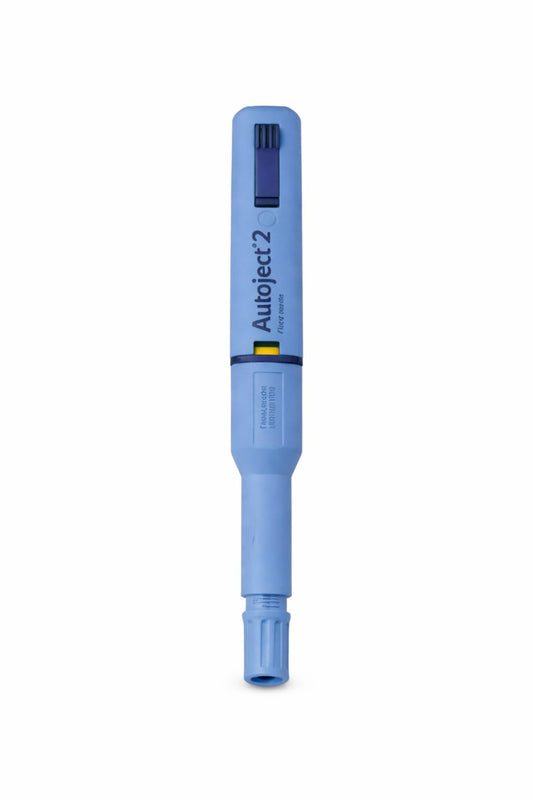
Lancetsare designed for quick, controlled sampling. “Sterile” means they are manufactured and packaged to remain clean and uncontaminated until opened. For most home users, lancets are paired with alancing device(a spring-loaded pen) that helps standardize depth and speed, though some products aresingle-use safety lancetsthat work without a separate device.
A Sterile Blood Lancets Collection is typically relevant for:
- People managing diabeteswho perform fingerstick testing with a glucose meter and test strips.
- Caregiverssupporting a child, parent, or partner who needs regular capillary blood sampling.
- People doing clinician-advised home monitoringwhere a small blood sample is required for a kit or point-of-care check.
- New userswho want a straightforward, comfortable setup with clear compatibility.
Ontario-specific note: while the basics of selecting lancets are similar everywhere, your daily reality-commuting, shift work, winter dryness, and convenience-can change what “comfortable and easy” looks like. For example, cold weather can affect circulation, and dry skin can make finger pricks feel more irritating. Choosing the right gauge, depth settings, and a fresh sterile lancet each time can make a noticeable difference.
To see a range of home-testing options in one place, visitAriavit’s sterile blood lancets collection.
Key features to compare in a Sterile Blood Lancets Collection
Not all lancets feel the same. Comfort and performance depend on a handful of concrete features. When you compare products in a Sterile Blood Lancets Collection, these are the details that usually matter most.
1) Gauge (thickness) and comfort
Gaugerefers to needle thickness. In general, ahigher gauge numbermeans athinnerneedle (for example, 30G is thinner than 28G). Many people find thinner options more comfortable, though they may require an appropriate depth setting to get an adequate blood drop-especially if your hands are cold or your skin is thicker.
Related terms you may see:30G,31G,28G, “ultra-thin,” “thin gauge,” or “extra fine.”
2) Compatibility with your lancing device
Some lancets are designed to fit many common lancing pens, while others are specific to a particular system. Before you buy multiples, check whether you need:
- Universal fit lancets(often compatible with many devices)
- Device-specific lancets(made for a particular brand/model)
- Safety lancets(self-contained, no separate device)
If you’re unsure, look up your device model and confirm what lancet type it takes. When browsing, you can compare product descriptions in theSterile Blood Lancets Collection options.
3) Sterile, single-use packaging
For home testing, the most important safety baseline is that lancets aresterileand intended forsingle use. Look for packaging that stays sealed until you’re ready, and open a new lancet for each test. This helps reduce contamination risk and supports more consistent puncture performance (a fresh tip is sharper than one that has been used).
Common packaging formats include protective caps on individual lancets, or individually wrapped safety lancets. If you test frequently, packaging style can affect convenience and how easily you can keep supplies organized in a pouch, drawer, or travel kit.
4) Depth settings and sample size
Many lancing pens allowdepth adjustment. The right depth is the shallowest setting that reliably produces enough blood for your test strip or kit. Too shallow may require repeated pricks; too deep can increase discomfort and prolong soreness.
Factors that can affect the depth you need include hydration, calluses, circulation (especially in winter), and where you lance on the fingertip. If you regularly struggle to get a drop, you may benefit from reviewing technique (site choice, warming hands, gentle milking) before assuming you need a much thicker lancet.
5) Tip design and “smoothness”
Many modern lancets use design features intended to improve comfort, such as precision grinding and silicone coating. While marketing language varies, the practical goal is the same: a cleaner puncture that can feel less scratchy. If comfort is a top priority, consider trying a smaller pack first (when available) to see how a particular style feels with your device and technique.
6) Intended use cases: daily monitoring vs occasional testing
Your routine matters. A person who tests multiple times per day may prioritize consistent comfort, easy-to-open packaging, and a steady supply. Someone who tests occasionally may prioritize longer shelf organization and a simple, no-fuss system. If your needs shift (for example, a new exercise plan, medication changes, pregnancy-related monitoring, or caregiver responsibilities), it may be worth revisiting what you keep on hand.
To compare different styles-universal fit options, finer-gauge choices, or safety formats-browse theSterile Blood Lancets Collection selection.
Home testing benefits: what the right lancet choice can improve
The word “benefits” can sound abstract, but in day-to-day home testing, the right sterile lancet can support very practical wins:
- More comfortable samplingthrough an appropriate gauge and a fresh, sharp tip.
- Fewer repeat finger pricksby matching lancet style and depth to the sample size you need.
- More consistent resultsby collecting an adequate drop without excessive squeezing (which can dilute the sample with tissue fluid in some situations).
- Better routine adherencewhen the process feels simpler and less unpleasant.
- Safer handlingwhen using sterile, single-use products and disposing of them properly.
These benefits are especially noticeable when you test frequently, have sensitive fingertips, or find fingersticks stressful. Choosing well isn’t about finding a “perfect” option-it's about a comfortable, repeatable routine you can maintain.
Ontario-focused practical tips for comfort and reliable blood drops
Ontario’s seasons and lifestyles can influence fingerstick comfort. These tips can help you get an adequate sample with less irritation, whether you live in Toronto, Ottawa, Hamilton, London, Windsor, Kingston, or a smaller community where winter dryness and cold commutes are common.
Warm hands improve flow
If your fingertips are cold, it can be harder to produce a drop. Before testing, wash hands with warm water and dry thoroughly, or warm your hands for a minute. This can reduce the temptation to use deeper settings than necessary.
Choose the side of the fingertip
Many people find the sides of the fingertip less sensitive than the pad. Rotate sites to reduce soreness and help avoid building calluses in one spot.
Hydration and skin care matter
Dry, cracked skin (common in winter) can make lancing feel sharper and healing slower. Gentle hand moisturizing (avoiding residue right before testing) and staying hydrated can support comfort.
Use a fresh sterile lancet every time
Reusing lancets can dull the tip, which may increase discomfort and make punctures less predictable. Using a new, sterile lancet each test supports both hygiene and comfort.
Set depth to the minimum that works
Start lower and adjust up gradually until you consistently get the needed drop. If you switch to a thinner gauge, you may need a small depth adjustment (not always, but sometimes).
If you’re looking for options to match your routine-thin gauge for comfort, universal fit for convenience, or safety formats-check theSterile Blood Lancets Collection for home testing.
Safety and disposal: what to do with used lancets in Ontario
Used lancets aresharps. Even at home, they should be handled carefully to reduce the risk of accidental needle-sticks for you, family members, visitors, and sanitation workers.
Use a proper sharps container
Place used lancets directly into an approved sharps container. If you don’t have one yet, ask a pharmacist about local options. Avoid loose disposal in household garbage or recycling.
Follow local guidance for drop-off
Disposal programs can vary by municipality. Many pharmacies can direct you to safe drop-off options. If you travel around Ontario, keep a small travel sharps container so you’re not tempted to recap and pocket a used lancet.
Keep supplies out of reach
Store unopened sterile lancets and your sharps container away from children and pets, ideally in a dedicated testing kit area.
Choosing sterile, single-use products is one part of safety; the other is building a simple disposal habit you can stick with. If you’re restocking, browse theSterile Blood Lancets Collection lineupand consider picking a storage setup that keeps new and used items clearly separated.
Common product types and brands you may recognize
Lancets are widely available in Canada, and you may see familiar systems or brands when comparing product types. Availability changes over time, but common names consumers recognize includeAccu-Chek,OneTouch,BD,Microlet, andFreeStyle. The key is not the name alone-it’s whether the lancets are sterile, compatible with your device (if you use one), and comfortable for your skin and routine.
Product types you may encounter include:
- Universal fit twist-top lancets(commonly used with many lancing pens)
- Device-specific lancets(designed for a particular lancing pen)
- Safety lancets(single-use, often used when you want a contained needle and consistent depth)
- Extra-fine gauge options(aimed at comfort for frequent testing)
When in doubt, check your lancing device instructions or ask your pharmacist or diabetes educator which lancet format is appropriate. For a consolidated view of options, theSterile Blood Lancets Collection pageis a helpful place to compare basics.
How to choose the best option for you: a simple checklist
If you want a quick, user-friendly way to decide, walk through this checklist before you restock:
- Confirm compatibility: Does it fit your lancing device, or do you want a self-contained safety lancet?
- Pick a gauge: If comfort is your top concern, consider a higher gauge (thinner) option, then adjust depth as needed.
- Prioritize sterile, single-use: Choose products clearly intended for one-time use.
- Think about frequency: Daily users may prefer comfort-focused features and easy packaging; occasional users may want simple, clearly organized storage.
- Plan for disposal: Make sure you have a sharps container and a routine for safe drop-off.
- Consider skin and season: In Ontario winters, warming hands and caring for dry skin can be as important as lancet choice.
Once you know what you need (gauge, compatibility, format), it’s easier to narrow down theSterile Blood Lancets Collectionto the options that match your routine.
FAQ
How often should I change a lancet for home testing?
For hygiene and comfort, use a new sterile lancet each time you test. A fresh tip helps create a clean puncture and reduces the risk of contamination from reusing a previously used lancet.
What gauge lancet is best if finger pricks hurt?
Many people find higher-gauge (thinner) lancets more comfortable, especially when paired with the lowest effective depth setting. If you still struggle to get a blood drop, try warming your hands and adjusting depth slightly rather than immediately switching to a thicker lancet.
Do I need a lancing device, or can I use safety lancets?
Both can work for home use. Lancing devices offer adjustable depth and are common for frequent testing. Safety lancets are single-use and self-contained, which some people prefer for simplicity and handling. The best choice depends on your comfort preferences and whether you already have a compatible device.
Closing thoughts
Choosing a sterile blood lancet isn’t just a small detail-it can shape how comfortable, consistent, and stress-free home testing feels. By focusing on sterility, gauge, compatibility, and a safe disposal routine, you can build a setup that supports your daily life in Ontario.
If you want to review available options, you can explore theSterile Blood Lancets Collectionand narrow choices based on the features that matter most to you.